We use our own and third-party cookies for analytical and technical purposes, processing data necessary to create profiles based on your browsing habits. You can find more information and configure your preferences in 'Cookie Settings'.
 Back
Back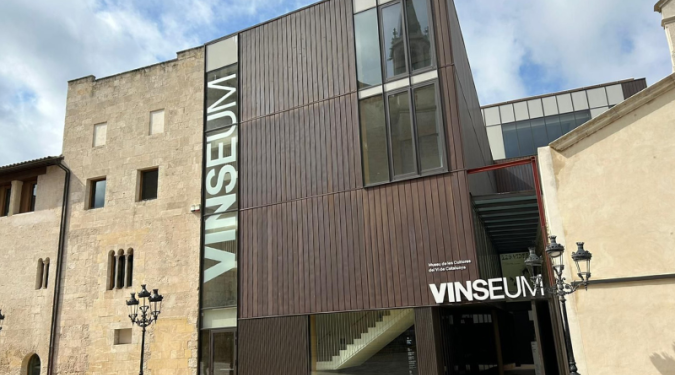
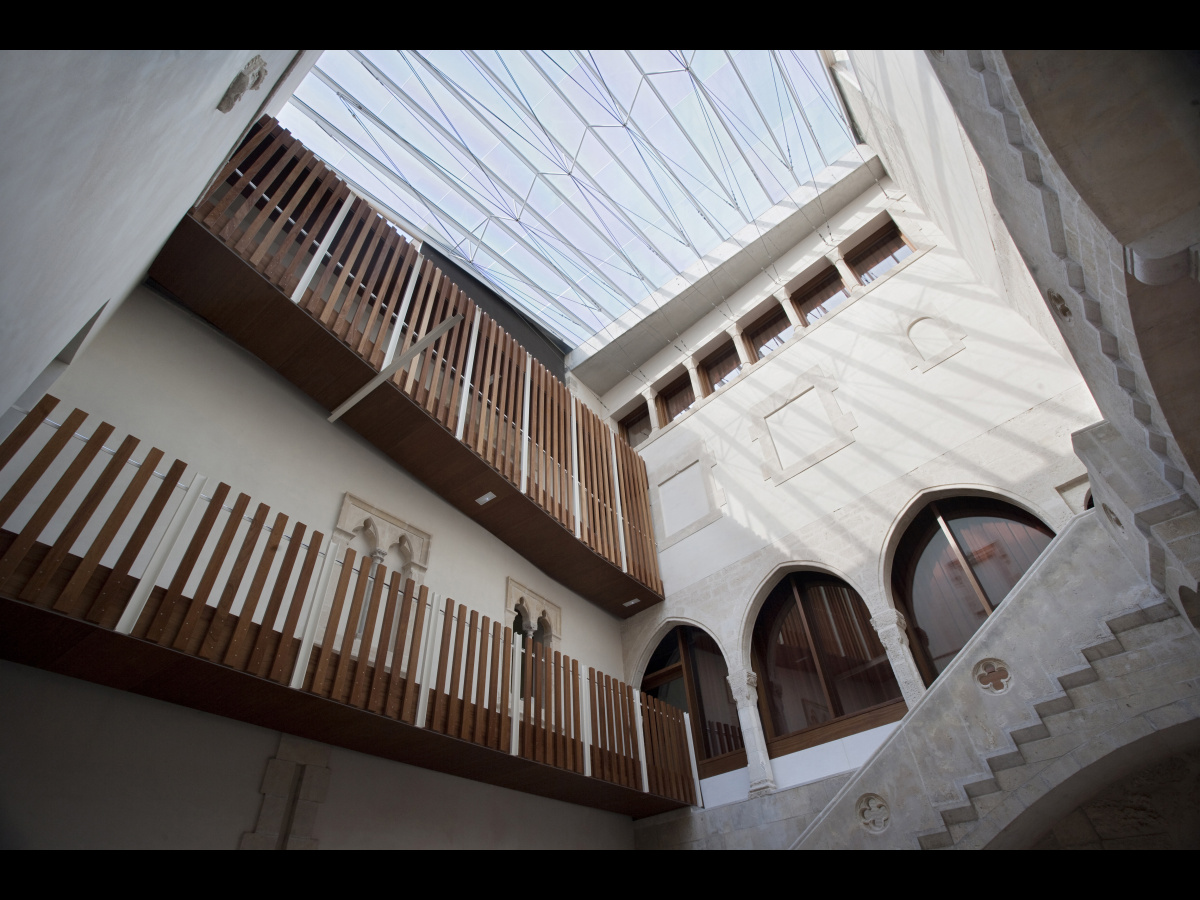
Among the Gothic walls of the Royal Palace, where King Pedro III of Aragon died on November 11, 1285, stands today the VINSEUM, the first museum dedicated to wine in Spain (1947) and recently declared a museum of national interest. The institution has its roots in “Archaeologia del vino”, the exhibition organized in 1943 during the I Feria de la Viña y el Vino. Since then it has grown to guard more than 600 archaeological sites, collections of liturgical art, collections of wine ethnology, 100,000 labels, medieval ceramics and a remarkable paleontological collection with the holotype of Metaxytherium catalaunicum.
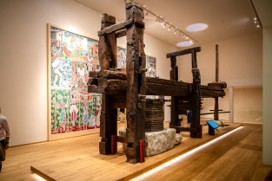
The exhibition tour occupies four floors and is articulated in immersive areas: the Wine Square welcomes; “Where it all begins” shows tools and mineralized seeds of Vitis vinifera; “El Celler” brings together presses, boots and the science of oenology; “The Viajes del Vino” traces the Phoenician, Roman or American trade routes galleries, and “Spirit of Wine” dives into the artistic and ritual dimension with Bacus presiding over a gallery of porrons, glasses and 500 historical labels. On the main floor there is the tasting room — overlooking the basilica — where the visit culminates with a glass of Catalan wine.
The museum has undergone two major reforms: that of the 1940s, when Caixa Penedès and the City Council recovered the medieval building, and the contemporary transformation that began in 2004 with the project of Santiago Vives and the museography of VARIS Arquitectes, culminating in 2024 with the inauguration of the new exhibition hall, auditorium, covered Gothic courtyard and panoramic terrace.
Highlights include the Capella de Sant Pelegrí — a temporary exhibition hall since 1980 — and a 168-seat auditorium equipped for concerts and cinema. VINSEUM is also a node of museum networks (REMCI Vitis, Local Museums Network) and organizes wine tourism routes, jazz cycles, tastings and family workshops.
Today, with a team of 24 professionals, the museum wants to be the gateway to the Penedès: an open, inclusive and sustainable space that combines research, conservation and dissemination. Visitors not only discover the history of wine, but also experience the culture, the festival and the landscape that surrounds it.


 CAT
CAT ESP
ESP FRA
FRA POR
POR ITA
ITA ALE
ALE NLD
NLD ZH
ZH JA
JA