We use our own and third-party cookies for analytical and technical purposes, processing data necessary to create profiles based on your browsing habits. You can find more information and configure your preferences in 'Cookie Settings'.
 Back
Back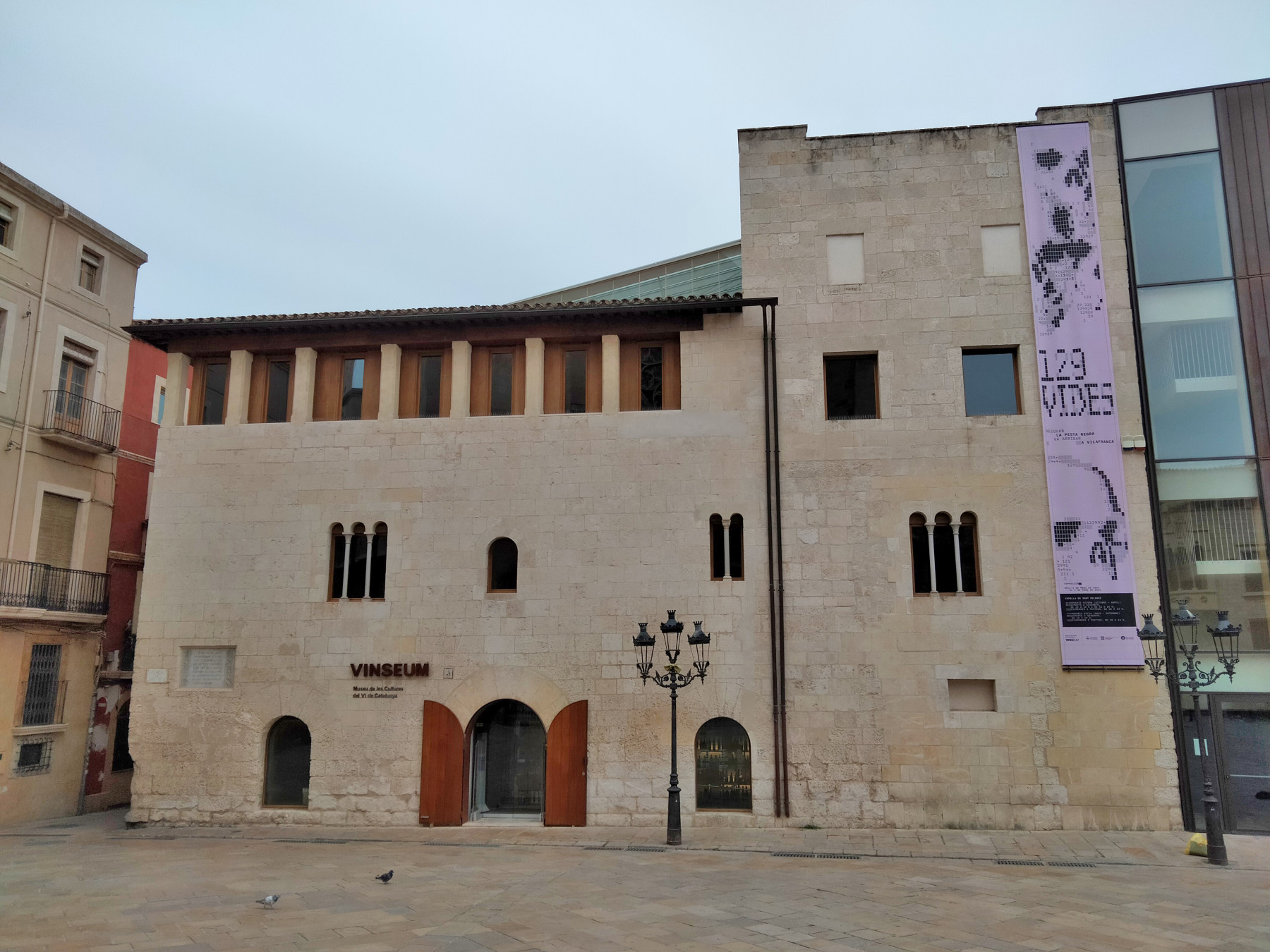
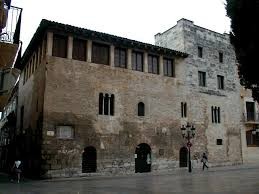
The former Royal Palace of Vilafranca, now home to the VINSEUM (Museum of Wine Cultures of Catalonia), has one foot in Catalan royal history and the other in contemporary wine tourism. Documented as early as 1209 as the residence of the Casal de Barcelona, it was the scene of key moments, such as the death of King Peter the Great on November 11, 1285, an event commemorated with a tombstone on the facade.
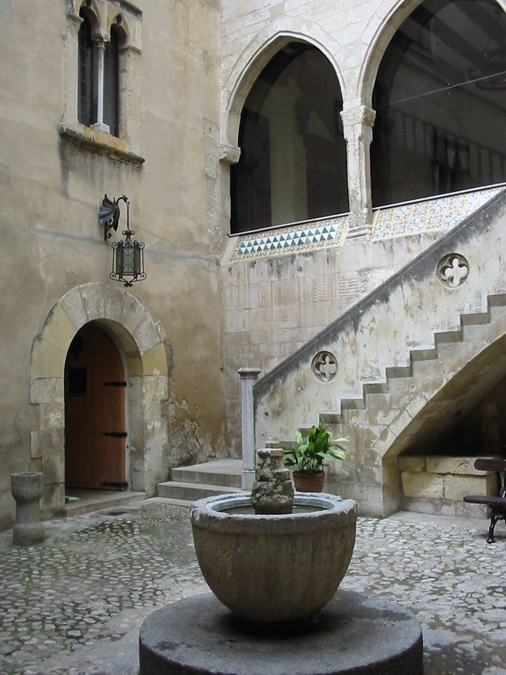
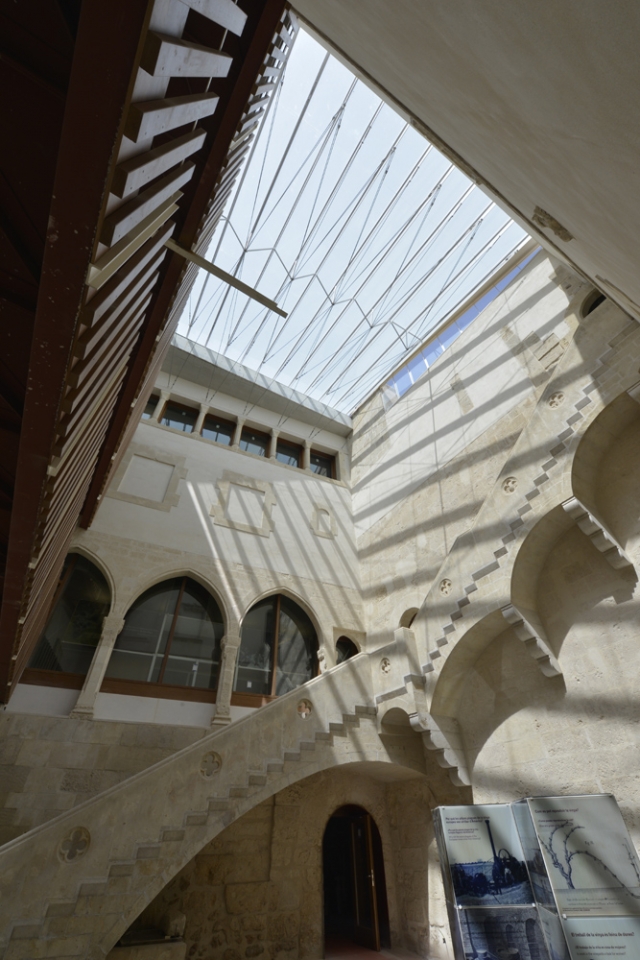
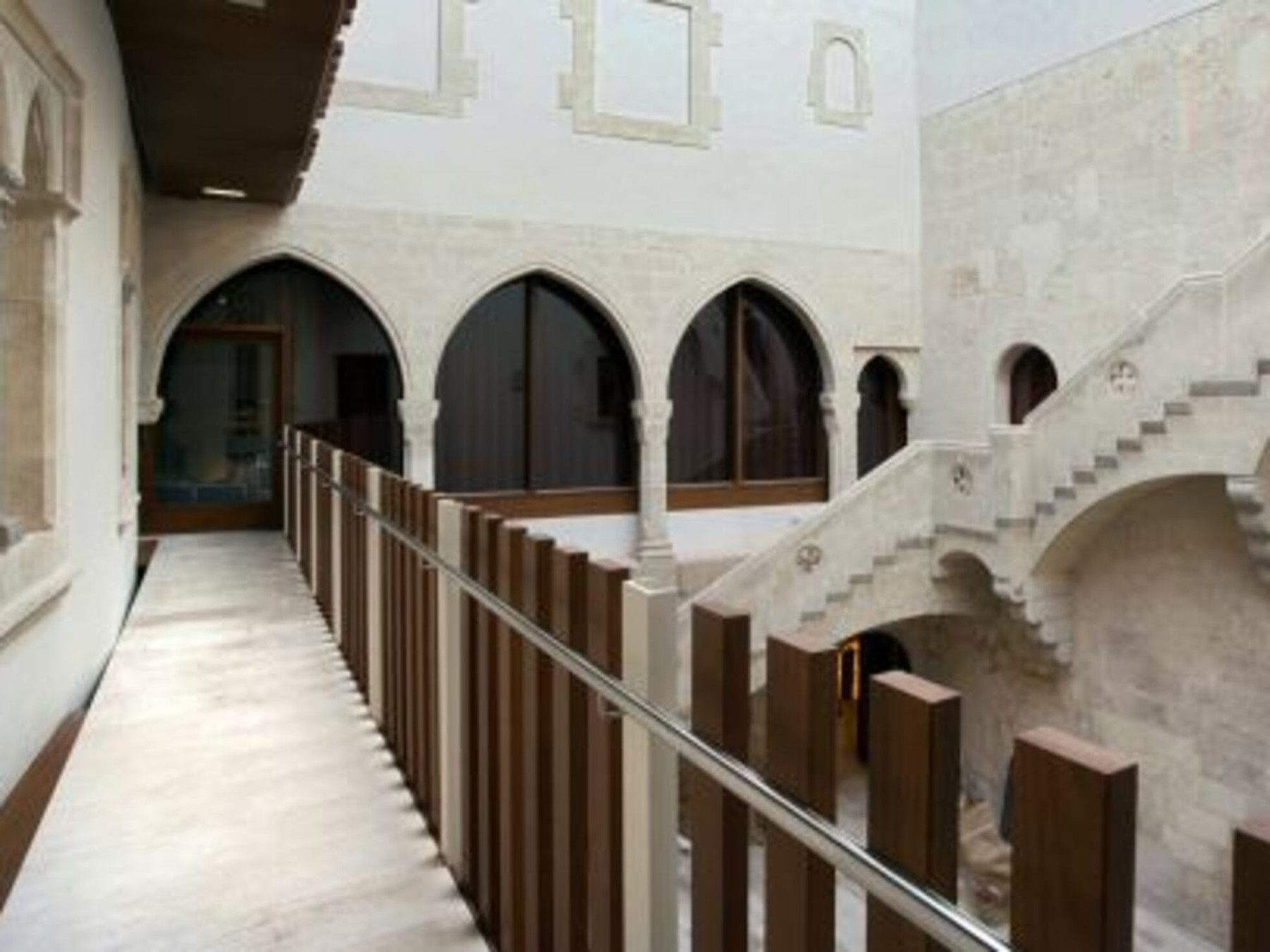
The Gothic ensemble has two volumes: a tower-shaped body, crowned in plan, and the palatine body proper, topped by a wooden barbican. The tableware shows three tiled portals and elegant twin windows on columns with vegetable capitals. Inside, the classic Palauan scheme is organized around a courtyard with an uncovered staircase and an ogival gallery. A jewel is the chapel of Sant Pelegrí, already documented in 1334, and the Renaissance access from the Marianna House (1565).
The palace passed through the hands of monks (Santes Creus, 1308) and private individuals — the Milá family — until, in 1936, the Association Museu de Vilafranca bought it to convert it into a cultural facility. Since 1943 it houses the museum, initially dedicated to archeology and local history and progressively specialized in wine culture. The current museography, inaugurated in 2023, offers an immersive experience that links viticulture, anthropology and territory.
Archaeological works from 1965 discovered, behind the chapel, a wall lock and Romanesque windows that could correspond to the “Old Palace”, perhaps from the 12th century. Successive restorations have integrated these remains within the exhibition discourse.
Today, VINSEUM combines collections, educational activities and a lively courtyard where you can taste Penedès wines. To enter it is to travel through the centuries: from medieval royal power to the wine identity that defines the region.


 CAT
CAT ESP
ESP FRA
FRA POR
POR ITA
ITA ALE
ALE NLD
NLD ZH
ZH JA
JA