We use our own and third-party cookies for analytical and technical purposes, processing data necessary to create profiles based on your browsing habits. You can find more information and configure your preferences in 'Cookie Settings'.
 Back
Back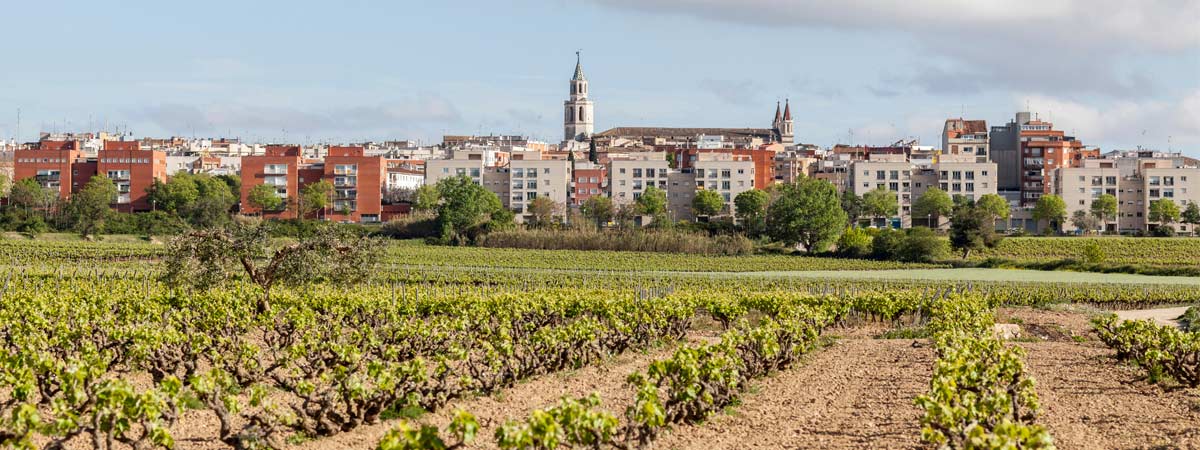
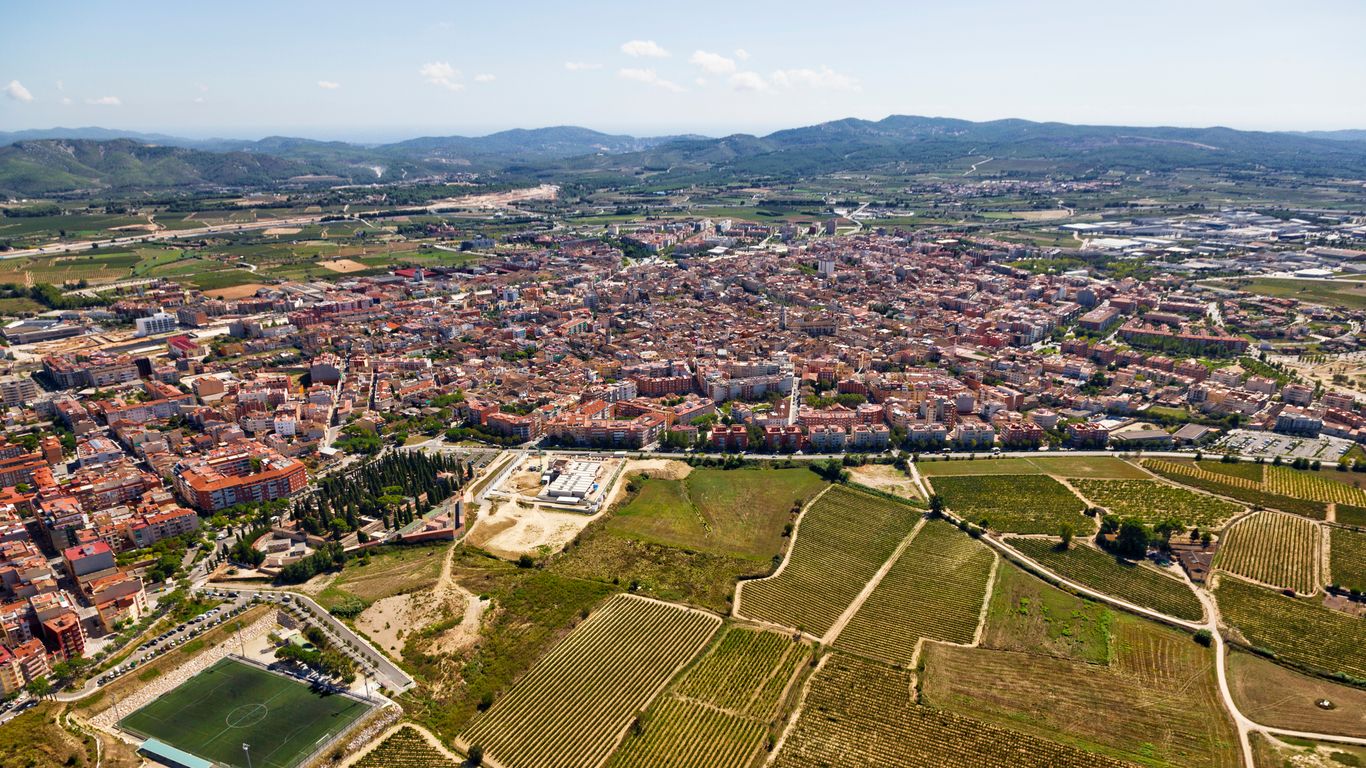
Vilafranca del Penedès is a vibrant middle town, economic and cultural heart of the Alt Penedès region and capital of the homonymous vegueria. Founded between 1108 and 1151, when the inhabitants of the ancient Olèrdola descended to the plain to settle there taking advantage of the county's franchises, the town was articulated around the Dela tower and the Roman Via Augusta, an axis of communication that, already in medieval times, was key to the expansion of the weekly market and to the consolidation of a powerful shopping center. The privileges of a royal villa, the holding of royal courts — such as that convened by Jaume I in 1218 — and the creation of the vegueria de Vilafranca quickly made it one of the most influential towns in the Principality.
The urban physiognomy preserves testimonies of all eras: the Gothic parish of Santa Maria, the Royal Palace where Peter III the Great died (1285), the Franciscan convent —today a lapidary museum—, the hospital chapel of San Juan or the Baltà Palace, the scene of the Concordia of 1461. In the 19th and early 20th centuries, the resurgence of wine production after phylloxera left a splendid modernist mark that can be traced today thanks to the Modernist Route, with facades such as the Miró House, the Berger Balaguer House, the Asil Inglada Via or the Casa de la Vila itself designed by Santiago Güell.
Vilafranca is synonymous with wine and cava. The city is home to the VINSEUM — Museum of Wine Cultures of Catalonia — and numerous internationally renowned wineries, headed by Torres, project the oenological image of the region around the world. The festive calendar revolves around the Fira del Gall (December), the May Fairs, the Vijazz (July) and, above all, the Festa Major de Sant Félix —from August 29 to September 2—, declared a Heritage Festival of National Interest and known for the Dragon (documented in 1601) and for the castle day on the 30th, with the mythical Castellers de Vilafranca, epic band founded in 1948 that has achieved all the milestones of the extra range.
The city has a wide cultural offer: theaters such as Cal Bolet and the Municipal Auditorium, cinemas, the Casal La Principal, the Festa Major Museum and an intense associative fabric that maintains lively popular dances (Diables, Gypsies, Serrallonga, Falcons...) and gastronomic traditions such as the chatón or the coca garlanda. Industrial and service activity has diversified since the 1960s, but the cultivation of the vine continues to be the DNA of the Penedès plain.
With good rail and road communications —AP-7, N-340 and the R4/R8 line of Rodalies since 1865—, Vilafranca has become a logistics hub that combines quality of life, heritage and economic dynamism. Today it is home to more than forty-two thousand inhabitants distributed in neighborhoods that retain their own identity and in new residential spaces that have been growing in parallel with industrial estates and first-class facilities. Walking through its streets, the visitor discovers a city that knows how to combine historical pride, castle passion and a modern thrill open to the world.


 CAT
CAT ESP
ESP FRA
FRA POR
POR ITA
ITA ALE
ALE NLD
NLD ZH
ZH JA
JA