We use our own and third-party cookies for analytical and technical purposes, processing data necessary to create profiles based on your browsing habits. You can find more information and configure your preferences in 'Cookie Settings'.
 Back
Back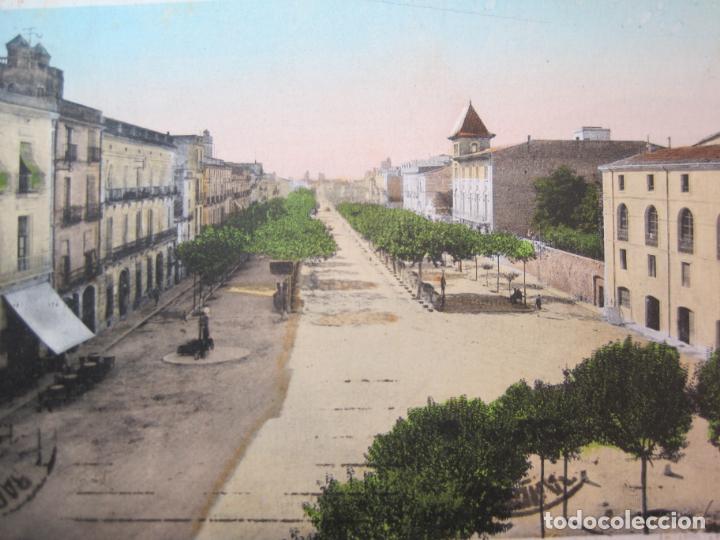
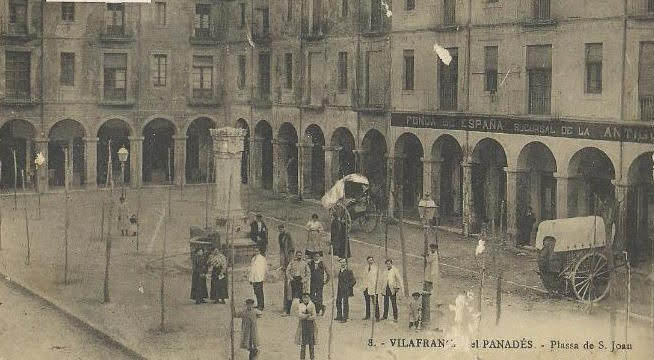
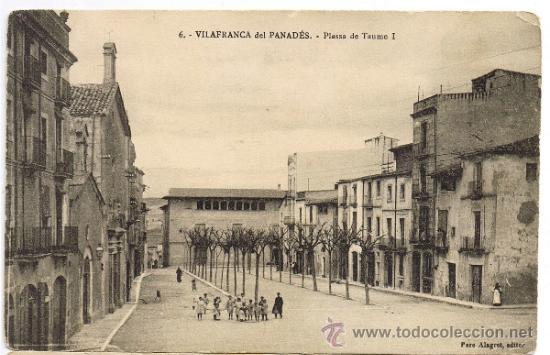
When we walk through the porticoed streets of the historic center, we have the feeling that Vilafranca del Penedès has always been there. In reality, the town is the result of a long journey that starts — like so many other Penedesco towns — next to the Roman Via Augusta. The first indications speak of a tower called Dela that guarded this ancient road axis; around it, at the beginning of the 12th century, population began to gather there. We are in the time of Ramon Berenguer, and the Count of Barcelona granted generous royalties — tax exemptions and commercial liberties — that will give name to the new “Vila Franca”. The place, well located in the depression of the Penedès and already far from the Saracen threat, grows rapidly until it becomes a commercial node of the region.
Medieval period. The economic vitality of the 13th and 14th centuries is immortalized in stone: the Basilica of Santa Maria — the first Gothic parish church in Catalonia — begins on a Romanesque chapel after the middle of the 13th century and is consecrated in 1484. In the same square of Jaume I stands the Royal Palace (s. XIII), now the headquarters of the VINSEUM, and a little further on the Palau Baltà, a Gothic stately building of the XIV built by Francesc Babau and enlarged in 1522. In 1349 the Franciscans founded the convent of San Francisco, with a cloister that became a pantheon of the local nobility. At the same time, the town opens a weekly market — documented as early as the 13th century and still alive — and consolidates the Cattle Fair which, more than 350 years old, continues to be the popular December Gall Fair.
Modern era. The 16th century saw the Baltà Palace unify façades; in the 17th century, despite the Reapers War and other conflicts, the festive life did not decline: from that time dates back to the Dragon of Vilafranca, a figure of fire documented at the beginning of the 17th century and considered one of the oldest in Europe. During the War of Succession (1702-1714) the Penedès was the scene of battles; even today several routes recall the battles of 1714 in nearby lands. Then, the economic recovery comes hand in hand with wine and trade.
XIX century. Romanticism left its mark with the construction of the Municipal Cemetery, conceived from 1839 and embellished by architects such as Santiago Güell, August Font and Antoni Pons. In 1835, following the expropriation of Mendizábal, the convent of San Francisco was converted into a hospital. The great shock came with the phylloxera (1879-1895), but the capacity for reinvention of the Vilafranquins transformed the crisis into an opportunity: once the vineyards were replanted, the new benefits promoted the modernist architecture that decorates facades such as the Casa de la Vila, the Pharmacy Guasch or the Casa Miró. In 1865 the Tarragona—Martorell—Barcelona railway line reached Vilafranca and opened the town to the world, speeding up the export of wine and cava.
Twentieth century. The century began with reforms to the façade of Santa Maria and the opening, in 1910, of new modernist sculptures and gargoyles. The Civil War (1936-1939) shook the region: the republican aviation located airfields there, starring in what historiography calls the “Vesper de la Gloriosa”. In 1945, at the Royal Palace, the Wine Museum (now VINSEUM) opened its doors and in 1946 the Provincial Council inaugurated the Torras i Bages Popular Library in Cal Gomà. At the end of the seventies, the Museum and the Savings Bank of Penedès recovered the ground floor of Palau Baltà as the auditorium “Fòrum Baltà”. Meanwhile, the passion for castles places the Castellers de Vilafranca at the top of the castle world.
Actuality. With about 40,000 inhabitants, Vilafranca is the capital of Alt Penedès and the heart of a region that lives on vineyards, cava and a growing wine and gastronomic tourism. Its Gothic and modernist heritage coexists with festivals such as Vijazz, events of thought such as VilaPensa or centuries-old fairs such as the Fires de Mayo. The Festa Major de Sant Félix, at the end of August, continues to be declared of National Interest and gathers castellers from all over. Part of the brand “Cities with Character” of the Catalan Tourism Agency, the town claims a millenary past but looks to the future with renewed museum projects — the new VINSEUM, the Casa de la Festa Major — and with routes that explain to the visitor both the wine tradition and the episodes of the Civil War.
Thus, the history of Vilafranca is the story of a resilient community: from a small settlement at the foot of the Via Augusta to a city proud of its wine, its castles and a heritage that, century after century, has been able to reinvent itself without losing the Mediterranean essence that defines it.


 CAT
CAT ESP
ESP FRA
FRA POR
POR ITA
ITA ALE
ALE NLD
NLD ZH
ZH JA
JA