We use our own and third-party cookies for analytical and technical purposes, processing data necessary to create profiles based on your browsing habits. You can find more information and configure your preferences in 'Cookie Settings'.
 Back
Back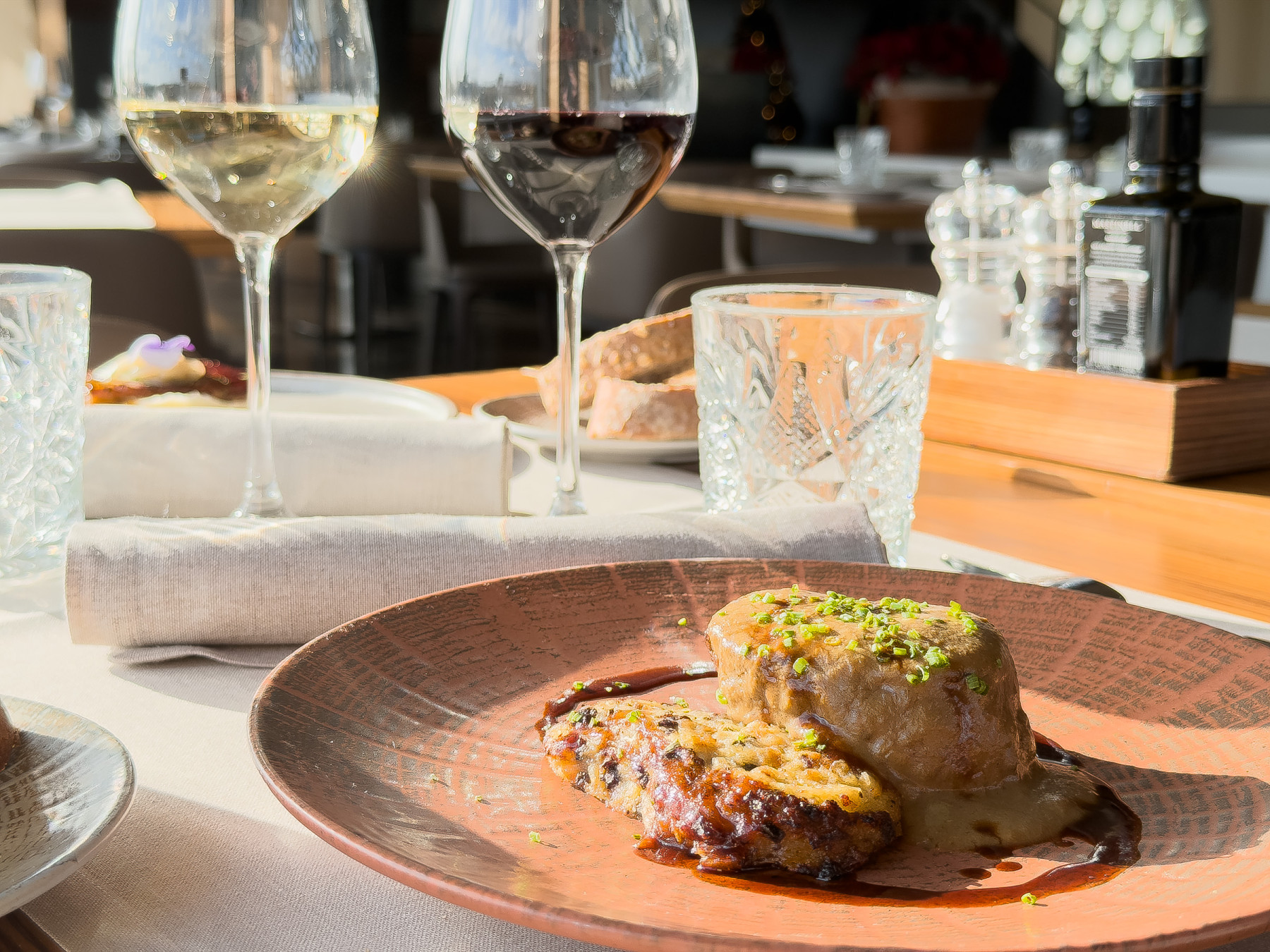
To speak of Vilafranca del Penedès is to speak, inevitably, of wine and table setting. In the heart of a region where vineyards stretch as far as the eye can see, the capital of Penedès has turned gastronomy into an identity card that combines indigenous products, traditional recipes and a wide program of fairs and gastronomic festivals. The town's calendar beats to the rhythm of the harvest, the Fira del Gall, the Vijazz or the Festa del Xató; celebrations that draw a bridge between agricultural activity and the urban environment and always place the bite and the glass at the center of the party.
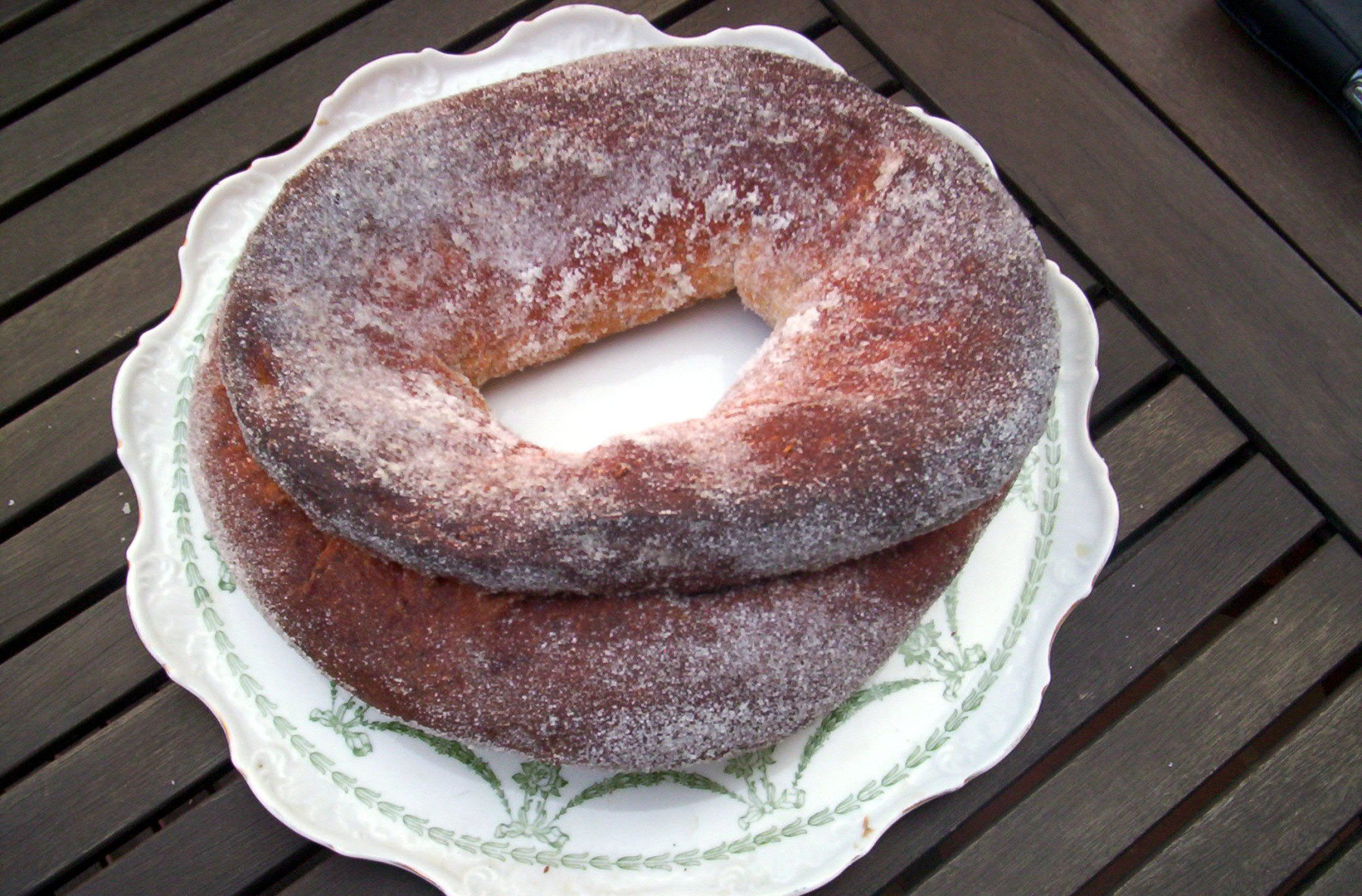
At the weekly Saturday market —documented in the Middle Ages and today with more than two hundred stalls—, the Penedès Gall continues to be bought with PGI, vegetables from the nearby orchard, cheeses ripened in the caves of Xerigots and emblematic sweets such as catanias or coca garlanda. The municipal markets of Sant Salvador and La Carn reinforce this link with the local produce and the offer of twenty-four restaurants that, from the author to the homemade cuisine, interpret both the tradition marinated with DO Penedès wines and the cosmopolitan influences that have arrived over the centuries.
Winemaking is omnipresent: the municipality concentrates historic wineries such as Bodegues Pinord, Familia Torres or Mascaró, wine shops and unique spaces such as the Taverna del VINSEUM or Inzolia, and all kinds of tastings and pairings (“Wine Thursday”, “El Pati de Covides Winebar”, routes between vineyards by bike or on foot...). Visitors will find everywhere the typical glass of the area —fine and light to appreciate the aroma of the whites—, but also the tall glasses for cava and even the very saucy “catavins” that is served during the Vijazz.
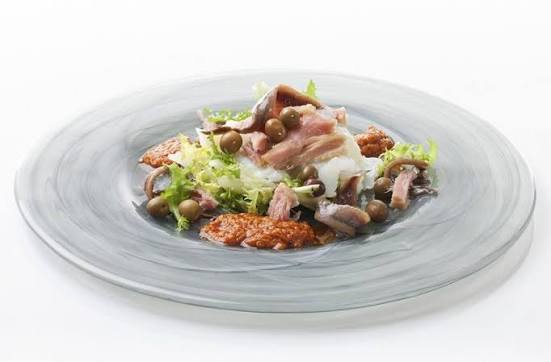
The dishes follow a Mediterranean pattern, with a great emphasis on olive oil, winter vegetables and cod al xató or the nuts and mushrooms that accompany the Christmas roast chicken. Fork breakfasts -- scrambled sausage, herring, tripe or grilled lamb -- are kept at the old downtown bars, while signature restoration experiments with rooster pickles, bird cannelloni and must reductions.
Finally, the gastronomic culture is also expressed in the educational and museum aspect: the VINSEUM narrates the millenary history of wine in the country, and the Casa de la Festa Major exhibits elements of bestiary that, every August, dance through the streets with grapes as a symbol of prosperity. Whether you visit Vilafranca in winter to enjoy the chatón, in the summer for jazz and cava pairings, or to watch the grapes ripen in autumn, the traveler will find a cuisine simple but proud of its origin and open to the world.


 CAT
CAT ESP
ESP FRA
FRA POR
POR ITA
ITA ALE
ALE NLD
NLD ZH
ZH JA
JA