We use our own and third-party cookies for analytical and technical purposes, processing data necessary to create profiles based on your browsing habits. You can find more information and configure your preferences in 'Cookie Settings'.
 Back
Back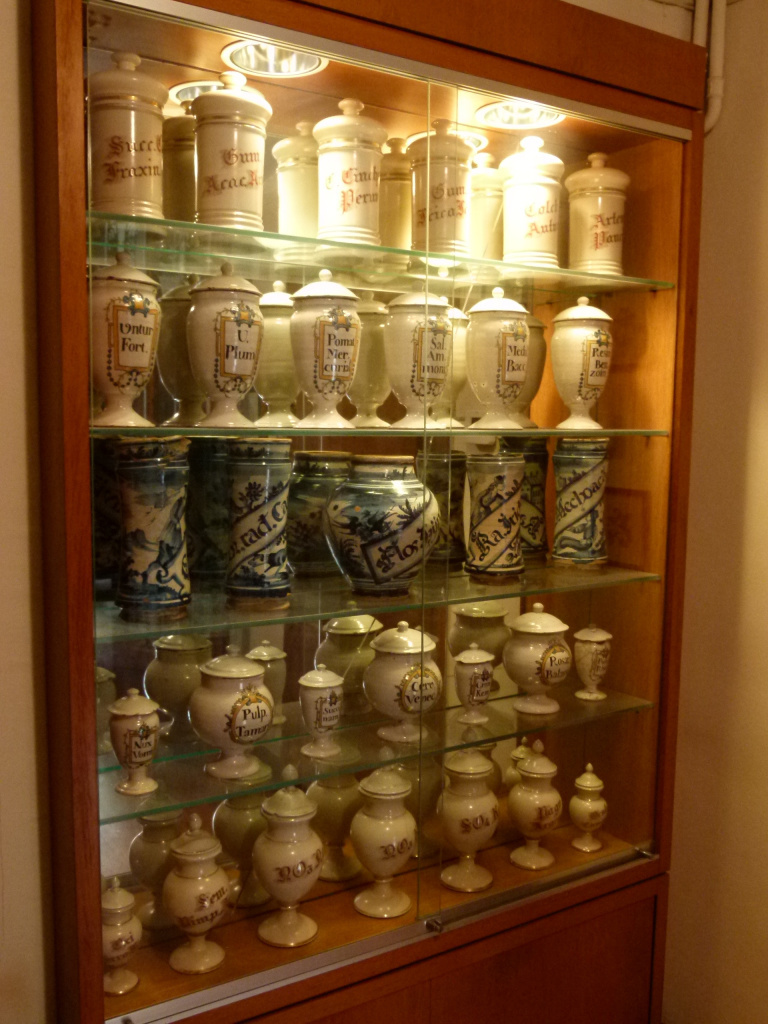
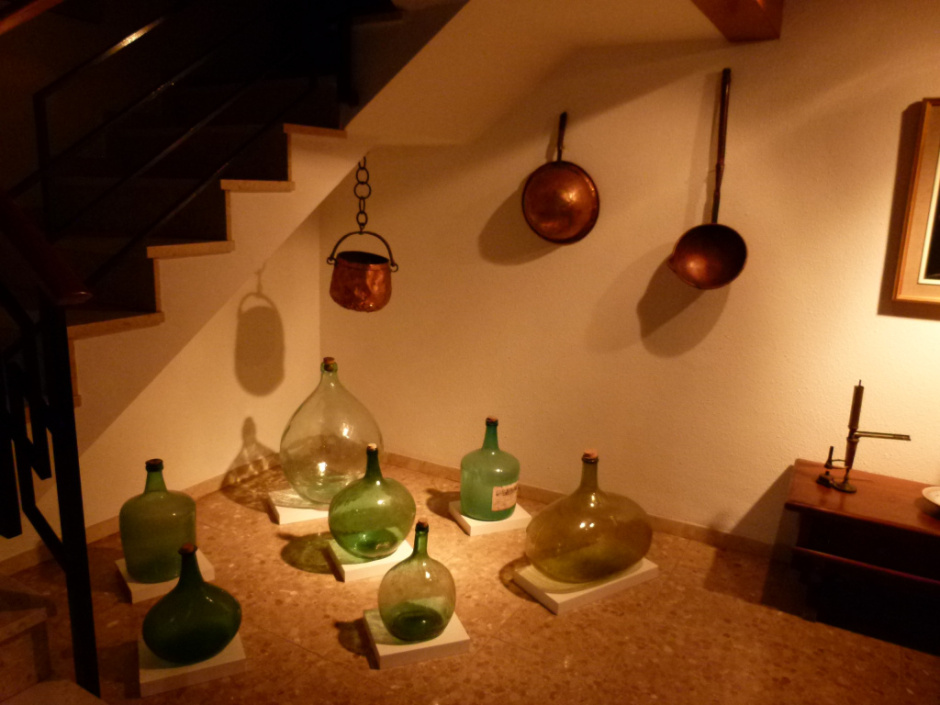
In the old number 4 of Hospital Street, just above the historic family pharmacy, hides a real treasure that recounts three centuries of health sciences in Penedès: the Viader Museum. The collection was inventoried and is guarded by Ramon Viader Guixà, pharmacist, oenologist and last representative of a lineage with documentation known since 1680 and eight generations dedicated to medicine and pharmacy. The visit - which must be arranged in advance - opens on a second floor full of wooden drawers, Victorian shelves and showcases where more than 1,500 pieces show off.
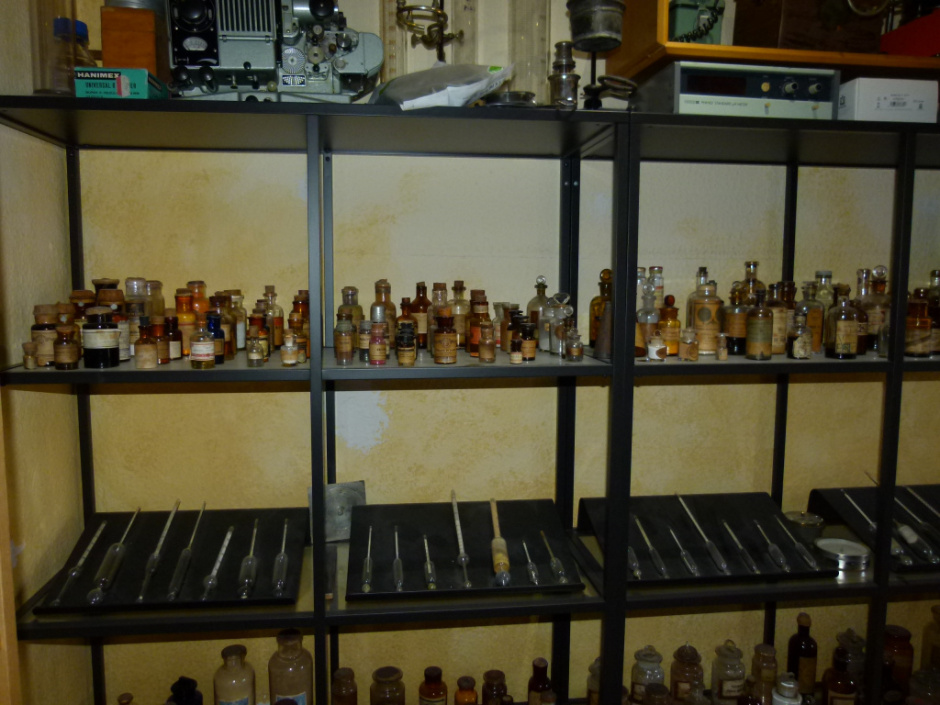
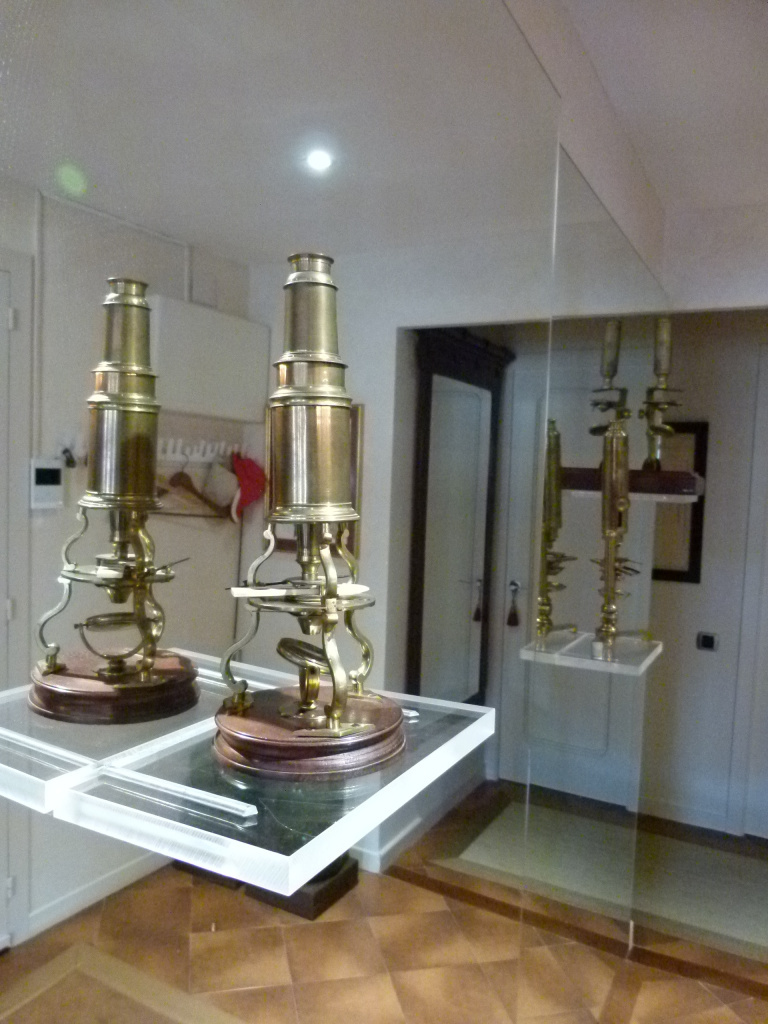
The expository discourse begins with the pre-industrial period, when the apothecary made ointments, potions and powders manually. Marble mortars, arum cossis, wooden silks, tablet molds or metal syringes show the everyday life of the classical laboratory. A second room, bathed by the light that enters through the wrought iron balconies, presents jars of first reagents, officinalis granules and a primitive vaporizer, precursor of modern inhalers. The central modules combine showcases with density meters, photocolorimeters, Soxhlet, Kipp devices and primitive chromatographs, witnesses of technological evolution between the 18th and 20th centuries.
The building, with its narrow façade and ornate balconies, was acquired in 1827 by Narcís Viader Seguí, who moved the original pharmacy on Calle Església here. From that moment on, each generation added layers of history: Antoni Viader Janer, mayor in two stages (1873-74 and 1895-97), promoted a botanical garden and produced medicinal wines; Narcís Viader Escaiola incorporated the first clinical analysis service in the town; and Narcís Viader Font developed the pharmaceutical cosmetics there drug “Myrapol”. This legacy is linked to the museographic story through biographical panels, period photographs and handwritten recipes.
One of the uniqueness of the museum is its restoration workshop, equipped with a stereoscopic microscope and ultrasonic baths that allow you to clean delicate pieces of uranium or ceramics without moving them from the building. This ensures optimal conservation and offers the visitor the opportunity to see, through an interior window, how the pieces are documented and restored on site.
The visit ends in a small library-archive, where medical treatises, prescriptions and professional correspondence accumulated over three hundred years are preserved. It is impressive to read a recipe book from 1732 or the laboratory report that confirmed the first case of typhus analyzed in Sant Sadurní.
Although the ownership is private, the Viader family periodically opens its doors for scientific, recreational and cultural purposes, and collaborates with universities and schools in the territory. It does not have legal protection, but its excellent condition and the quality of the pieces have made it an unmissable stop for lovers of the history of Catalan pharmacy.
When leaving, the visitor has the feeling of having traveled through the tunnel of time, between the perfumes of dried herbs and memories of a craft that combined empirical wisdom and a vocation for service. The Viader Museum is undoubtedly a hidden gem that deserves to be discovered with calm and curiosity.


 CAT
CAT ESP
ESP FRA
FRA POR
POR ITA
ITA ALE
ALE NLD
NLD ZH
ZH JA
JA