We use our own and third-party cookies for analytical and technical purposes, processing data necessary to create profiles based on your browsing habits. You can find more information and configure your preferences in 'Cookie Settings'.
 Back
Back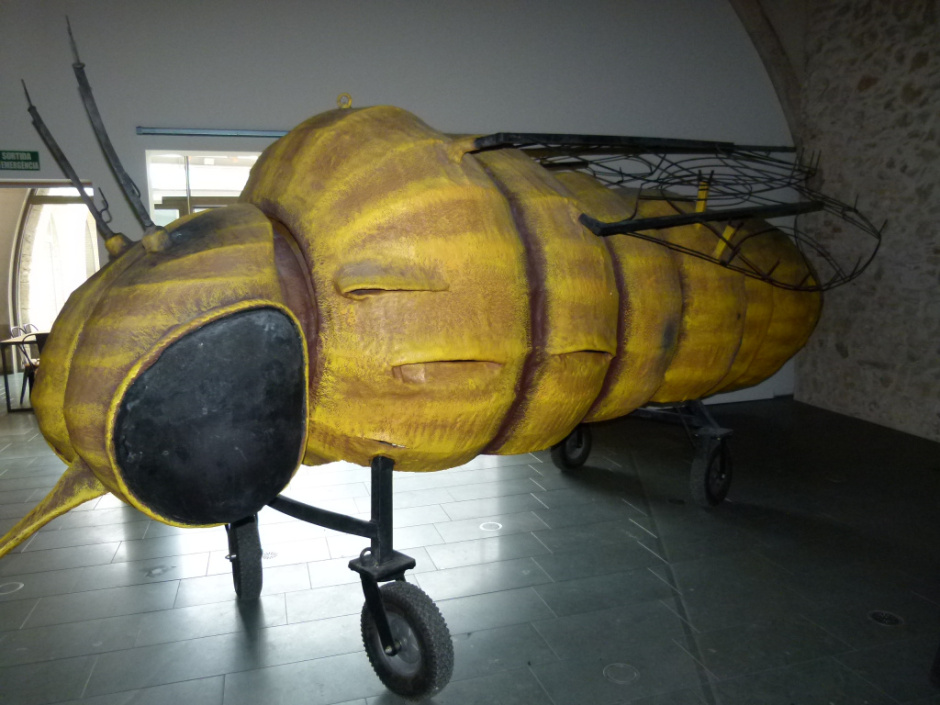
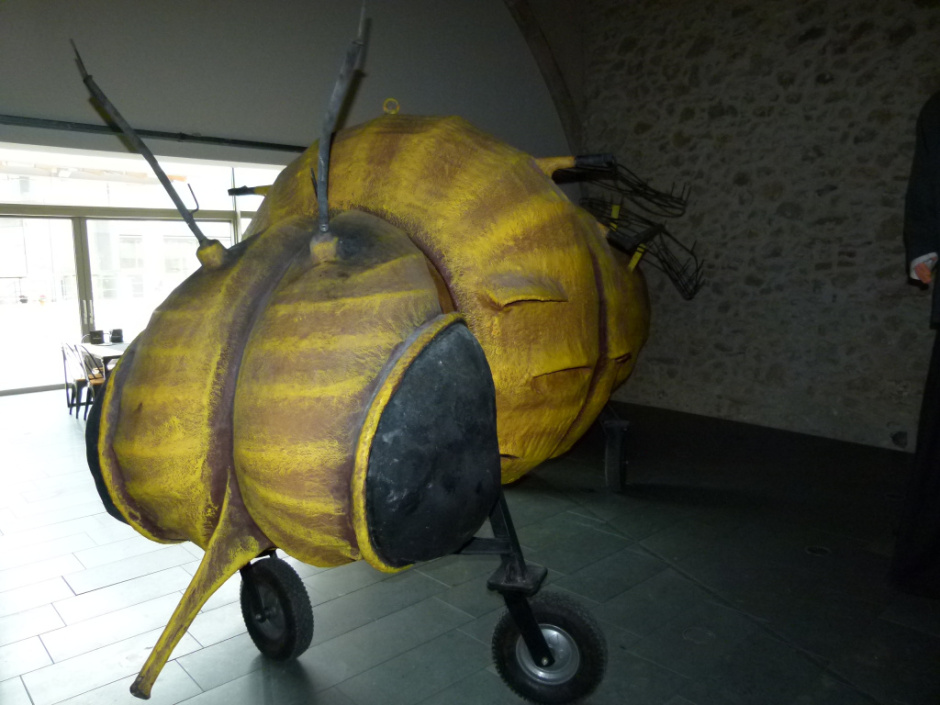
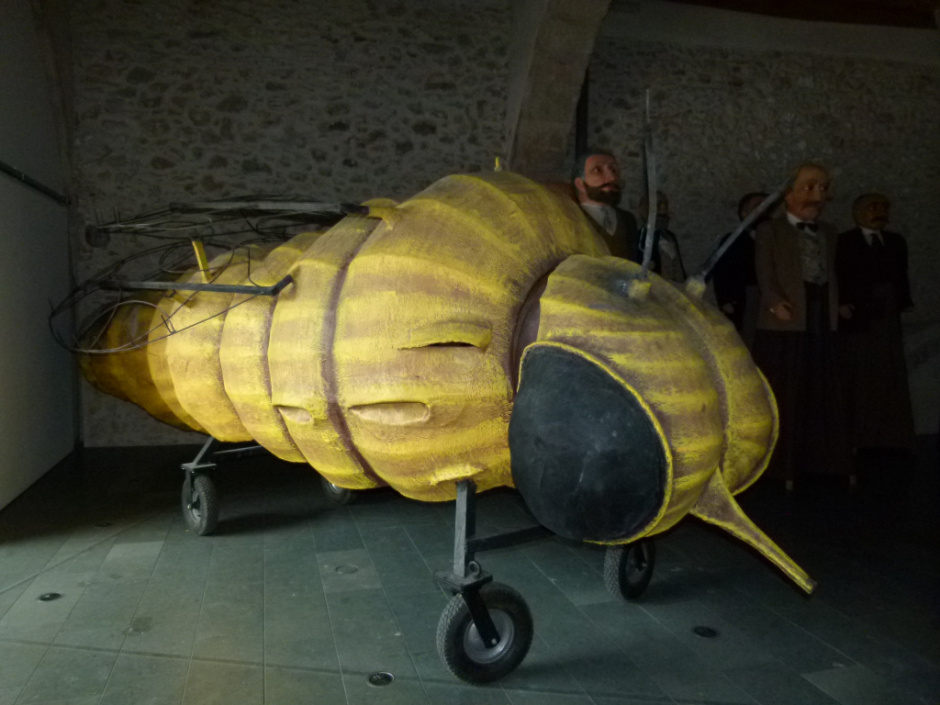
Phylloxera is undoubtedly the most beloved and feared element of the Sadurninian bestiary at the same time. It is a spectacular beast that faithfully reproduces the insect Daktulosphaira vitifoliae — the parasite that, between 1879 and 1895, devastated the vineyards of the Penedès and shook the economic life of Sant Sadurní. The first Philoxera was born in 1981, the result of the initiative of El Taller and the Fairs Commission, who wanted to give the town its own symbol for the recovered popular festival. This piece, made of wood and cardboard, went on parade for the first time on September 6 in a few mornings and the following year it already starred in the complete show.
The second and current version dates from 1990. The artist Amadeu Farré built it with fiberglass and an internal reinforced iron structure, seeking more resistance and comfort for the wearers. The beast is 7 meters long, 5 meters wide and 2.5 meters high. It weighs just over 305 kg, spread over a lightweight housing and four hidden wheels that facilitate changes of direction and allow cruising speed when the square boils. Inside there are three porters who direct the choreography, and outside two companions watch over safety and coordinate pyrotechnics.
The montage is not only visual: it is sound, olfactory and symbolic. Every September, around midnight on the 8th, the Phylloxera bursts through a thick fog of gunpowder, preceded by a band of winds playing the ex-professo composed tune. The hundreds of yellow handkerchiefs that flutter in the Church Square announce the struggle: the peasants — figured by a stole of tiny phylloxeretes — try to burn the plague with fire and noise. After a frantic dance, the Philoxera falls defeated and the “Dance of Triumph” erupts, an outburst of collective joy that seals victory and keeps alive the memory of the wintry effort.
The image of the beast sums up the town's recent history: the wine-growing catastrophe, the peasant's tenacity to replant resistant American vines and, finally, the emergence of the cava industry—a true economic engine of the 20th century. For this reason, in addition to parading, the Philoxera remains on display all year round at the Cava Centre, where visitors can see its reddish skin, articulated legs and tubes through which sparks come out in full action.
From a technical point of view, the piece is a prodigy of popular ingenuity. The metal chassis has been reinforced with punctual repairs, fireproof paints have been applied and an electrical safety system has been installed that cuts off the ignition in the event of an incident. The maintenance is coordinated by the Colla de la Fil·loxera, a group of neighbors who alternate restoration tasks with the oral transmission of songs and choreographies to the new generations.
Today, the great Fil·loxera is also a cultural ambassador: she has participated in bestiary meetings throughout Catalonia, gatherings in Northern Catalonia and exhibitions in the Valencian Country. Despite the projection, the essence remains domestic and close: the square becomes small when the monster appears and, year after year, the ritual ends with the same ingrained image, the coordinated flight of yellow scarves that illuminates the Sadurninac night.
The visit to the Cava Centre is free for children under twelve years of age and includes interpretive panels, audiovisual and original objects from the first Philoxera of the eighties. During Easter and in summer, family activities are organized to learn how to assemble the bestiary and understand the origins of the plague. Thus, the beast continues, nearly forty years later, reminding everyone that behind every bottle of bubbles there is a story of resistance and celebration.


 CAT
CAT ESP
ESP FRA
FRA POR
POR ITA
ITA ALE
ALE NLD
NLD ZH
ZH JA
JA