We use our own and third-party cookies for analytical and technical purposes, processing data necessary to create profiles based on your browsing habits. You can find more information and configure your preferences in 'Cookie Settings'.
 Back
Back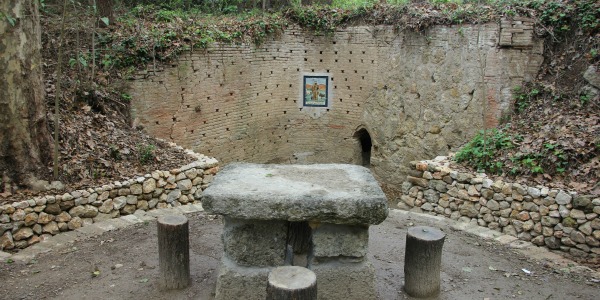
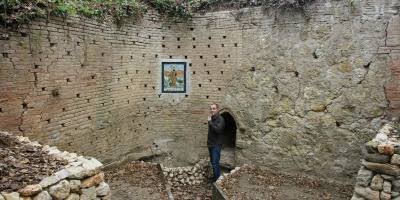
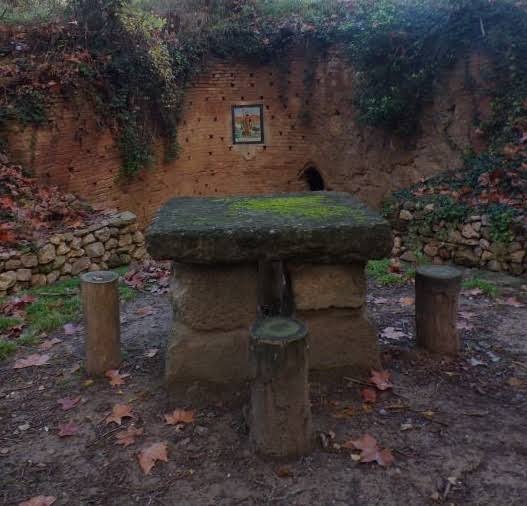
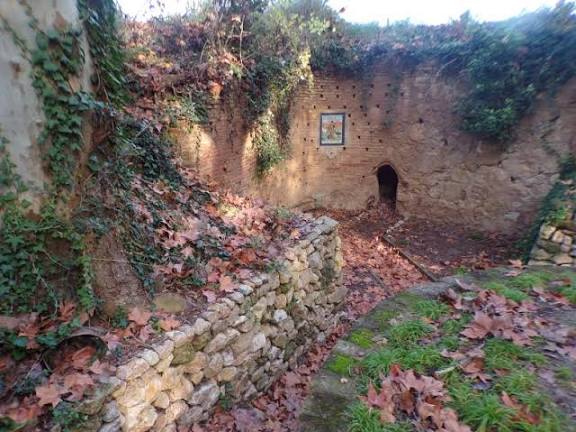
In a shady corner of the Espiells torrent, surrounded by banana and cane trees, the mouth of the Sant Benet water mine opens, a modest but valuable testimony of the traditional hydraulic engineering of Penedès. The exposed brick wall, combined with a common wall, draws a semicircular arch protected by mounds also of brick; inside, a narrow tiled conduit evidenced the course of the water, today inert because the gallery has largely collapsed.
On the facade, a ceramic panel with the figure of Saint Benedict recalls the secular devotion of the departure of Esp Iells. Inside the mine, the gallery — formerly propped up with oak beams — took advantage of the slight natural slope to bring out the groundwater and distribute it in hourly shifts among the neighboring agricultural plots. In 2016, within the framework of the “Inclusive River” project, the municipalities of the Bitlles-Anoia basin and the Nou Set cooperative cleaned the environment, removed invasive vegetation and adapted a small recreational space with explanatory panels.
Although the gallery is dilapidated and cannot be visited from the inside, access from the outside is easy and you can observe the construction technique based on small brick piers placed dry. The panels offer information about the operation of water mines - often confused with wells - and recall the old collective water administration: each owner had assigned hours, counted with sundials engraved on the lintels of the houses.
Despite not enjoying any form of heritage protection, the mine is preserved in a satisfactory state thanks to the involvement of the students of the Agrarian School, who periodically carry out maintenance tasks and water quality studies. The place is an ideal place to understand the relationship between water resources and viticulture, as well as to start the routes that link Espiells with the nucleus of Sant Sadurní.


 CAT
CAT ESP
ESP FRA
FRA POR
POR ITA
ITA ALE
ALE NLD
NLD ZH
ZH JA
JA