We use our own and third-party cookies for analytical and technical purposes, processing data necessary to create profiles based on your browsing habits. You can find more information and configure your preferences in 'Cookie Settings'.
 Back
Back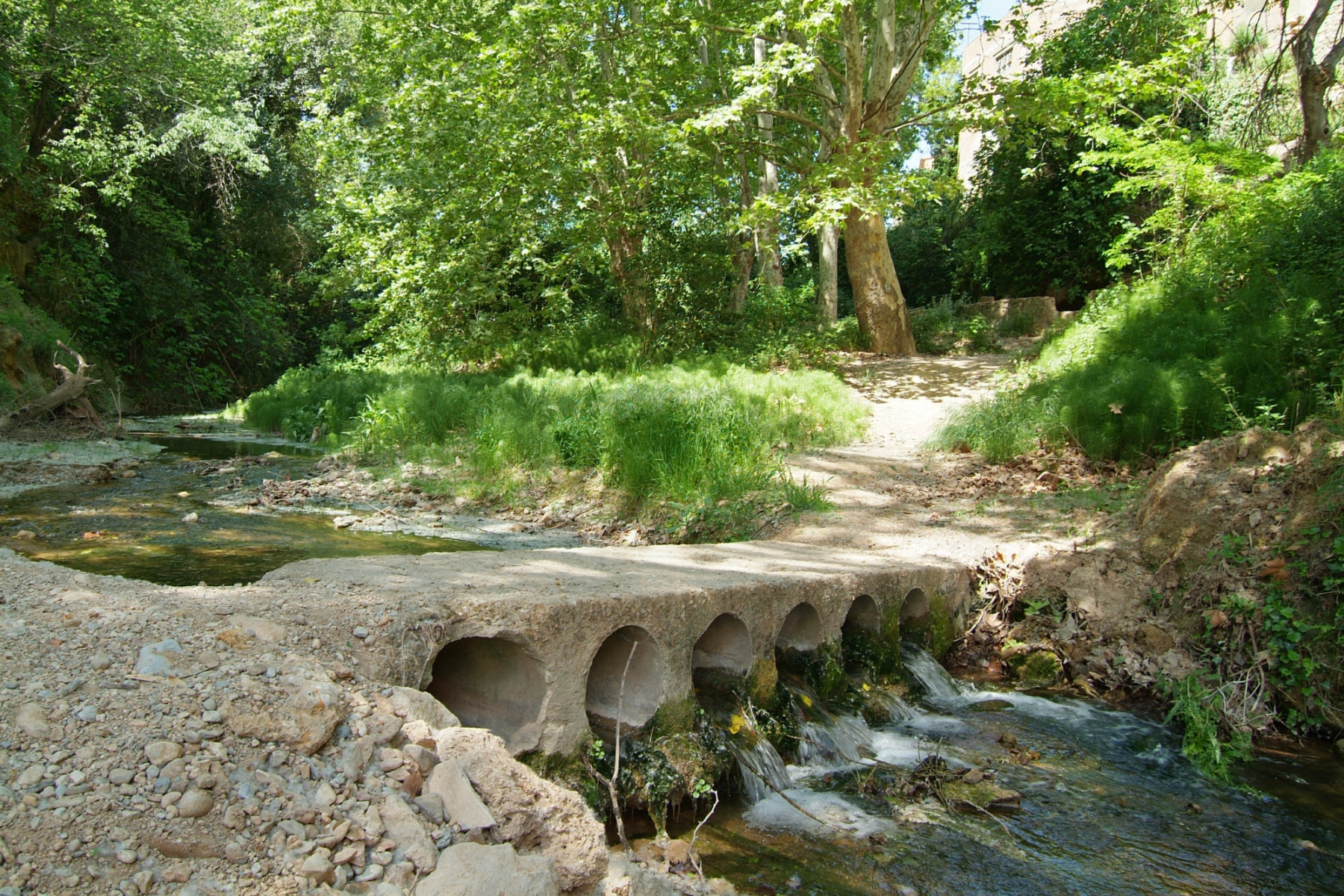
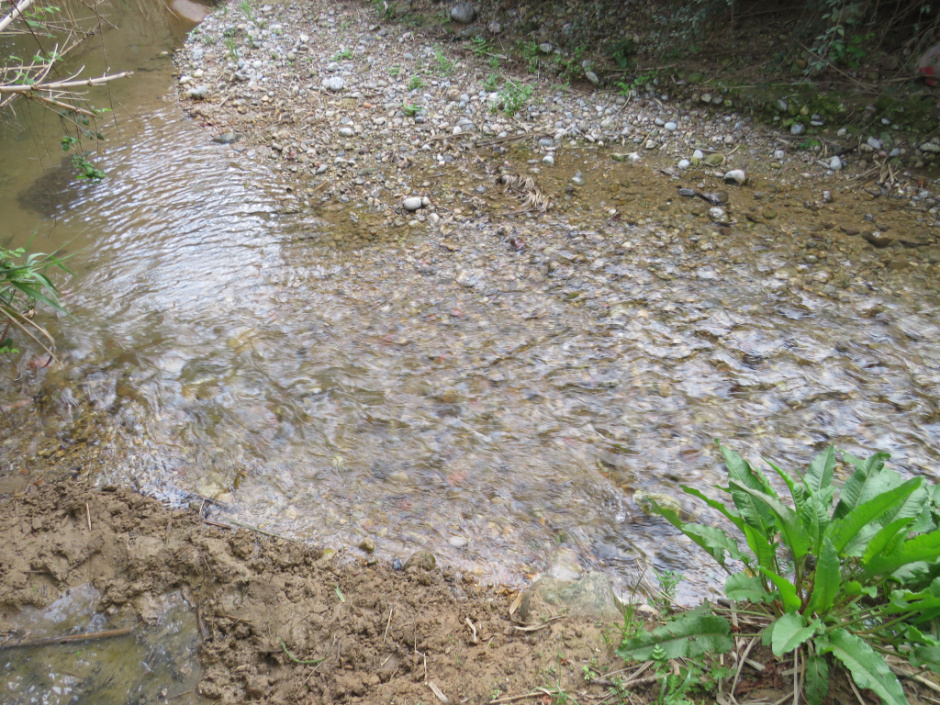
The old Riudebitlles, which is born in the Sierra de Ancosa under the name of the Mediona stream, arrives in Sant Sadurní after a long journey of anchorages, creeks and mills. Within the municipal area it only draws 1.8 km, but these meters are decisive: here its flow joins the Anoia and culminates a story that begins in the 10th century, when the scrolls cite it as rivus of Birlas or Berilas.
With a permanent regime —110-130 l/s in Torrelavit—, the river nourished the first paper industrialization of the Penedès. The Aixertell mill, the drawers of the Can Romeu dels Borrulls ice well or the nearby Pons colony took advantage of the strength of the water sheet. That legacy lives on in the locks and canals that still crisscross the riverside forest.
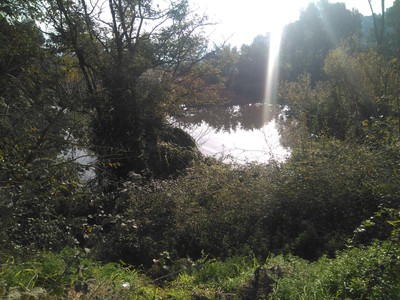
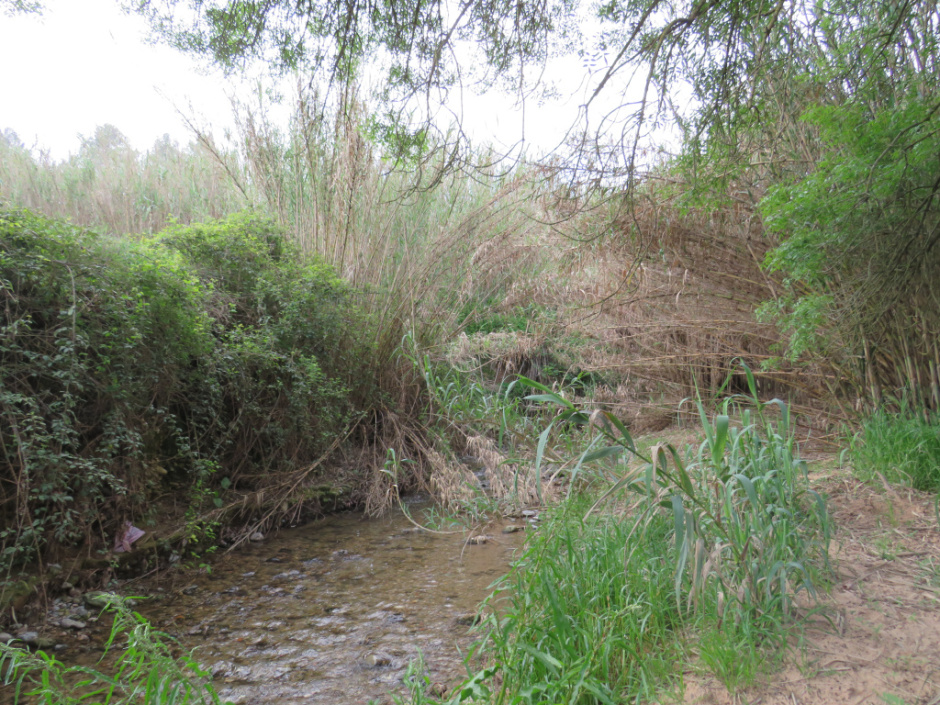
The ecosystem is fragile but intense. Alberedes dominate the valley, with the poplar as the undisputed king accompanied by poplars and ash trees. Where human pressure has opened clearings, American cane gains ground, and the undergrowth is thickened with heather, vinca and roldor. From time to time, a monumental oak tree or an oak tree is erected, reminiscent of the ancient Mediterranean oak grove.
Despite the beauty, the lack of clean-up campaigns leaves dead logs and squalid plastics; still, green-necked ducks and bluebirds find food there, and the cool shadows invite for a walk. The river is publicly owned (Catalan Water Agency) and access is free, partially integrated into the recently signposted Camí del Riu.
The place name Riudebitlles, full of legend, has traveled with the people who have cultivated its edges. The Sadurninans identify it as a place of recreation and as a climatic indicator: when the river sings loudly, it means that the Penedès has been soaked and the vineyard will thank you for it. To know him is to understand the link between water, industry and agriculture that has defined the valley.


 CAT
CAT ESP
ESP FRA
FRA POR
POR ITA
ITA ALE
ALE NLD
NLD ZH
ZH JA
JA