We use our own and third-party cookies for analytical and technical purposes, processing data necessary to create profiles based on your browsing habits. You can find more information and configure your preferences in 'Cookie Settings'.
 Back
Back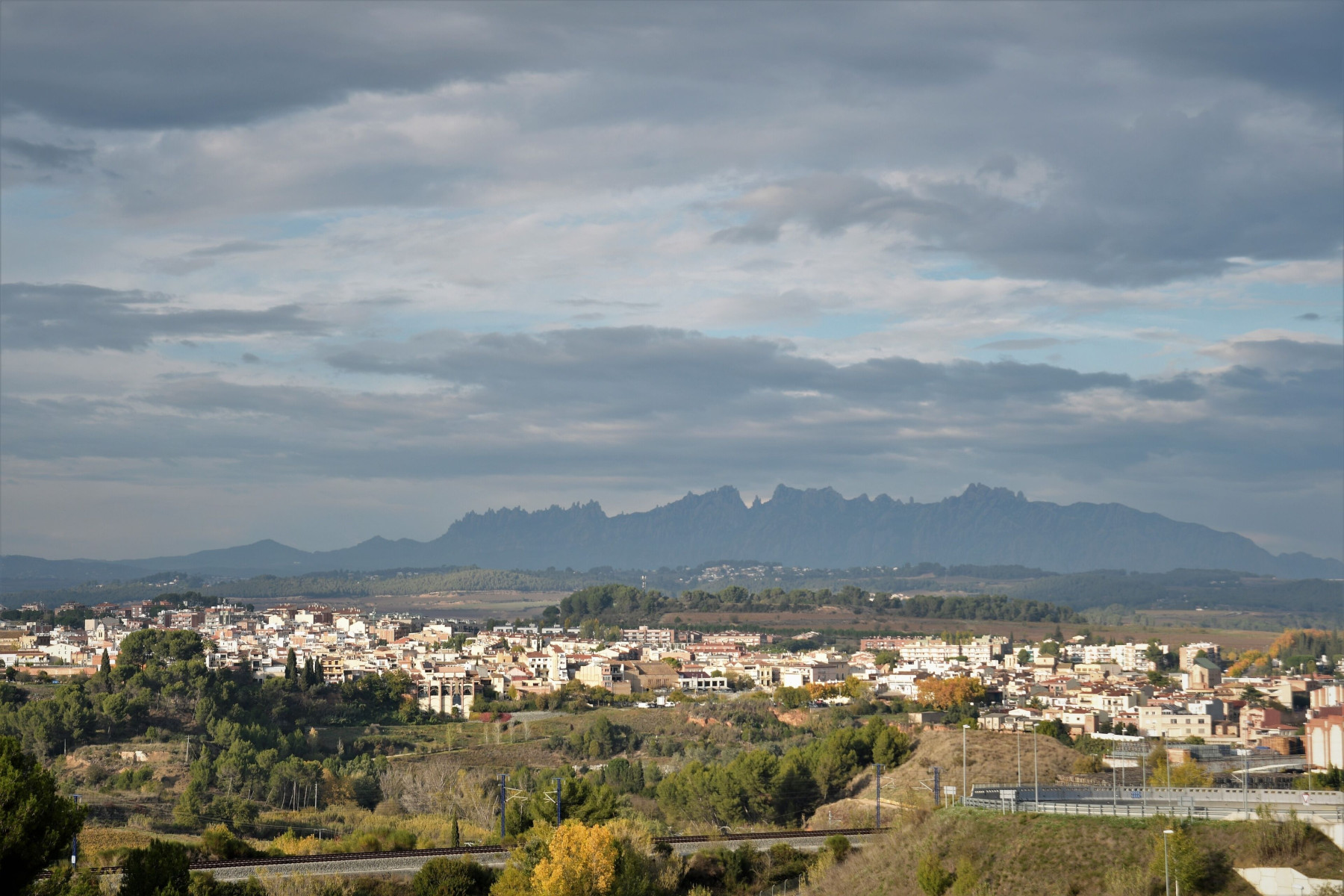
Sant Sadurní d'Anoia is, in all fairness, the Capital of Cava. When the visitor arrives in the town, it is surrounded by a sea of perfectly aligned vineyards and, almost immediately, the fireplaces and modernist facades of names that have gone around the world - Codorníu, Freixenet, Gramona, Recaredo or Juvé & Camps appear, among forty winemakers. The culture of sparkling wine, begun in 1872 and consolidated after the collective struggle against phylloxera (1887), has forever marked the entrepreneurial, festive and open character of the Sadurnines.
The history of the town has medieval roots. The former parish of Sant Sadurní de Subirats is documented in 1080 and, until 1493, was part of the barony of the castle of Subirats. In 1764 it obtained municipal independence and adopted the addition “d'Anoia”, in honor of the river that crosses the term. The final turn came at the end of the 19th century, when, despite the crisis in the vineyard caused by phylloxera, the villagers successfully explored the production of cava and made Sant Sadurní an international reference in the sector.
This economic boost was accompanied by an architectural splendor that still fascinates us today. Masters such as Josep Puig i Cadafalch (Caves Codorníu), Francesc Folguera (Parish Church and several Noucentista houses) or Miquel Madorell (House of the Village, Old Schools) filled the urban center with modernist, neo-centurist and eclectic buildings that can be visited following the Route of the local Modernism. The religious heritage is embodied in the church of Sant Sadurní, with a Gothic bell tower from the s. XVI century and Noucentista porch; in the pre-Romanesque hermitage of Sant Benet d'Espiells (s. X—XI) and small oratories scattered among farmhouses and vineyards.
Civic vitality is reflected in an intense festive calendar. From 6 to 9 September, the Fairs and Festivals celebrate the harvest and include the multitudinous Festa de la Fil·loxera, declared a Heritage Festive Element of National Interest, where gigantic fire insects commemorate the peasant victory over the plague. In October comes the Cava Week and the “Cavatast”, a cava tasting and gastronomy fair, and on November 29 the Festa Major in honor of Sant Sadurní closes the year. Summer is the time of the Week of the Neighbourhoods and the youth program “L'Istiu”; sport has its big night at the Sadurninenc Sports Festival.
Today, with 12,930 inhabitants (IDESCAT, 2025) spread over 19 km², Sant Sadurní retains a compact urban center and a crown of agricultural neighborhoods and neighborhoods. Along with the wine industry, there are workshops, services, local shops and a wine tourism tourism that finds in the Cava Center an interpretive space of first order. The villa has a library, music school, cardioprotected sports area, cultural facilities such as the Athenaeum and an extensive network of entities.
Proud of their identity, the Sadurninen families keep alive customs such as the thronades, the rows or the popular tasting of sparkling wines in the courtyard of Can Guineu. All this makes Sant Sadurní d'Anoia a close, authentic and irresistible destination for anyone who wants to taste — literally — the culture of the Penedès.


 CAT
CAT ESP
ESP FRA
FRA POR
POR ITA
ITA ALE
ALE NLD
NLD ZH
ZH JA
JA