We use our own and third-party cookies for analytical and technical purposes, processing data necessary to create profiles based on your browsing habits. You can find more information and configure your preferences in 'Cookie Settings'.
 Back
Back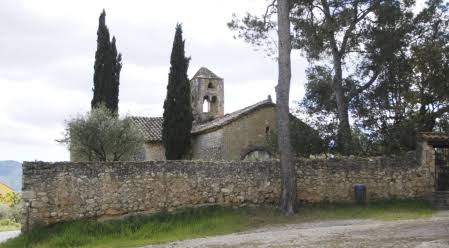
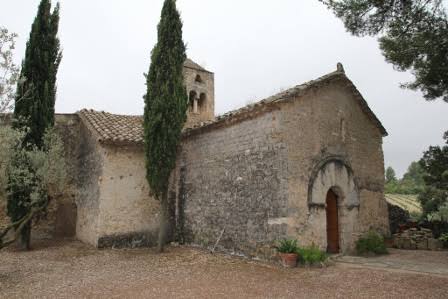
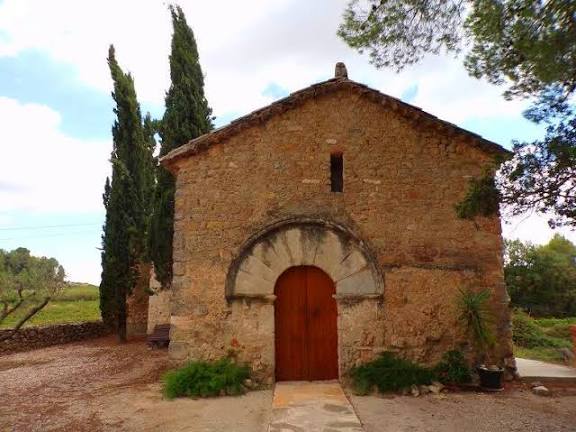
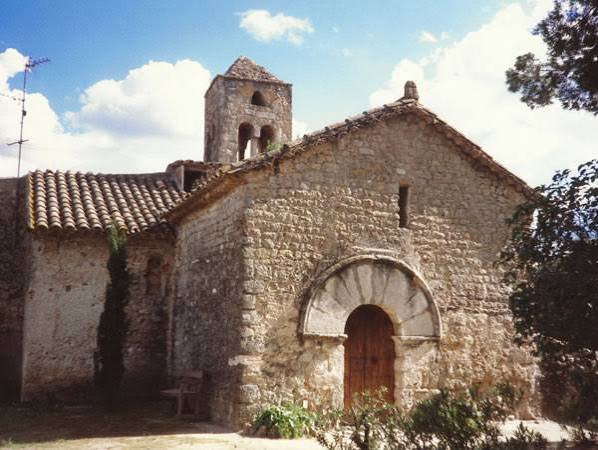
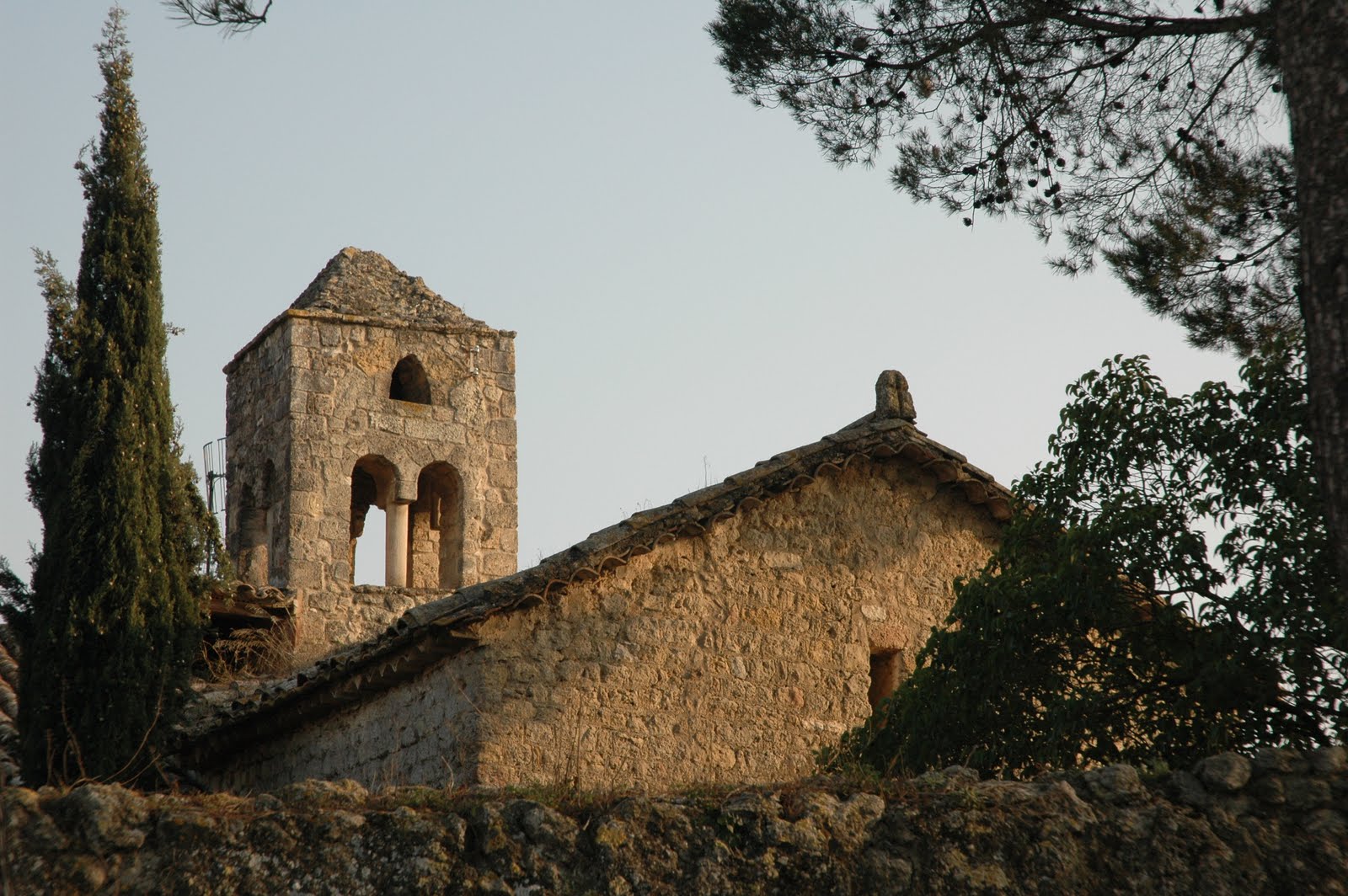
In the small rural town of Espiells, surrounded by vineyards, stands the tiny hermitage of Sant Benet, a pre-Romanesque jewel of alt-medieval origin (X-XI centuries) that bears witness to the first documented settlement in the area. With a single very narrow nave, irregular masonry walls and a semicircular apse facing east, it still retains much of the original limestone apparatus, with a smooth archway and apsidiola reinforced with very schematic Lombard bands. On the double-pitched roof, a single-eyed spade houses the bell that announced the rhythm of peasant life.
The few square meters inside exhibit the characteristic nakedness of pre-Romanesque architecture: a slightly raised barrel vault, pumice stone pavement and a tiny specular window that filters the light flush. A small fornicle cut in the north wall recalls the location of the old altar, now disappeared, and on the door ledge some flintstone marks can still be identified.
For centuries it was the chapel of reference for the scattered farmhouses of Espiells. They celebrated the feast of Saint Benedict (July 11) and the autumn gathering, with dancing and popular breakfast. The rural abandonment of the 20th century caused its partial ruin until, at the end of the 1980s, the City Council promoted a conservative restoration that consolidated the roof and walls and redecorated the surroundings.
Currently the hermitage does not have regular worship, but it opens occasionally on guided tours or during the annual assembly. Its environment, open and flat, invites you to make a stop while walking the route of the wineries of Espiells. The silence is broken only by the singing of birds and the aromatic undergrowth that perfumes the air, reminding the visitor that here time runs at the leisurely pace of the vineyard.


 CAT
CAT ESP
ESP FRA
FRA POR
POR ITA
ITA ALE
ALE NLD
NLD ZH
ZH JA
JA