We use our own and third-party cookies for analytical and technical purposes, processing data necessary to create profiles based on your browsing habits. You can find more information and configure your preferences in 'Cookie Settings'.
 Back
Back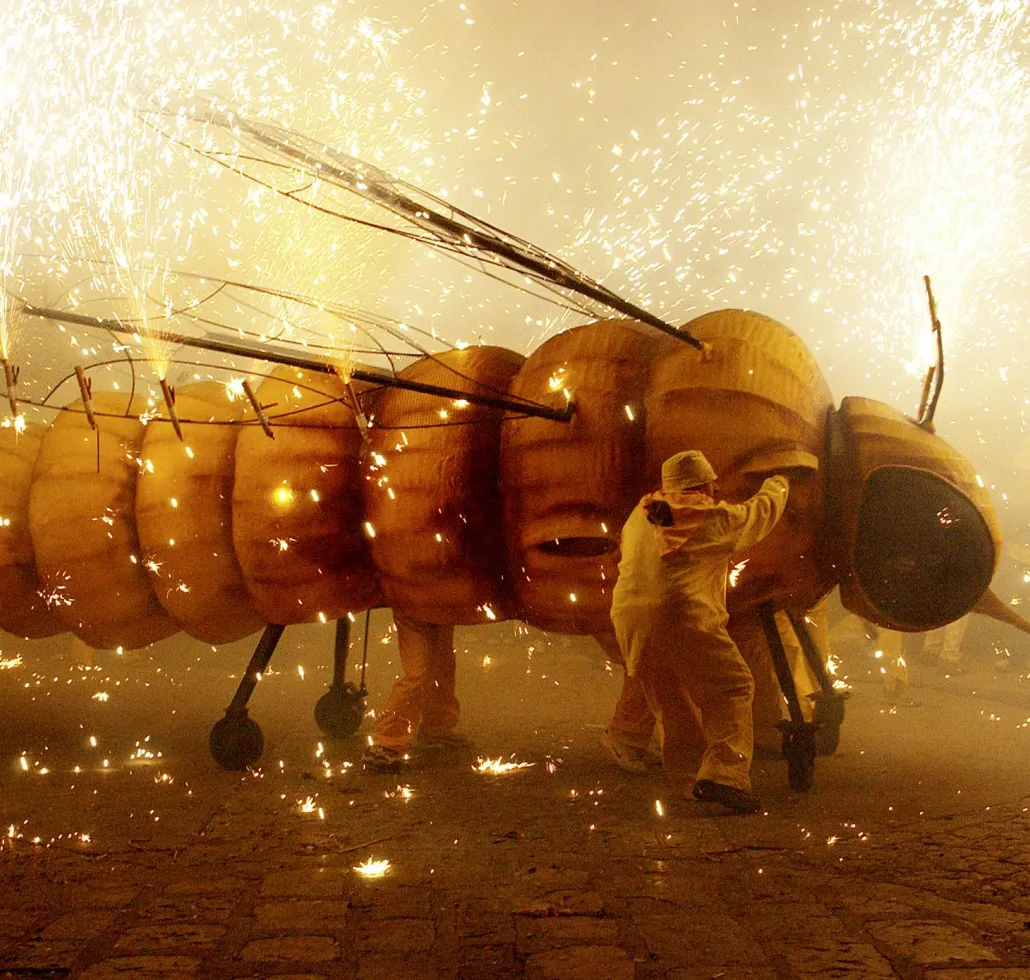
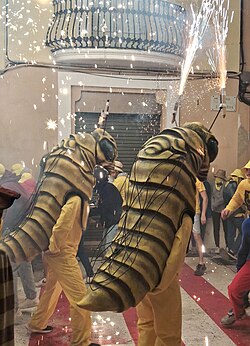
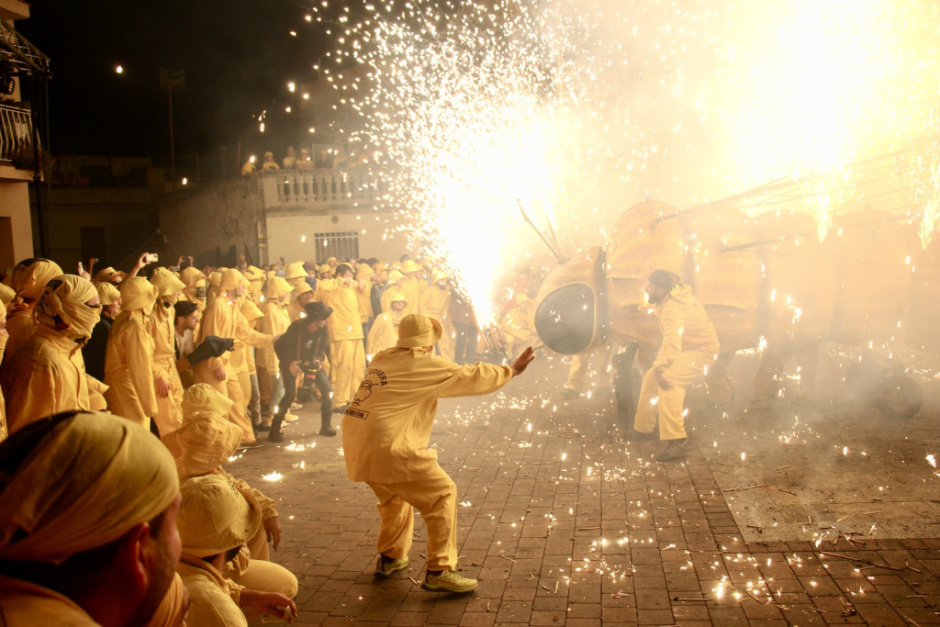
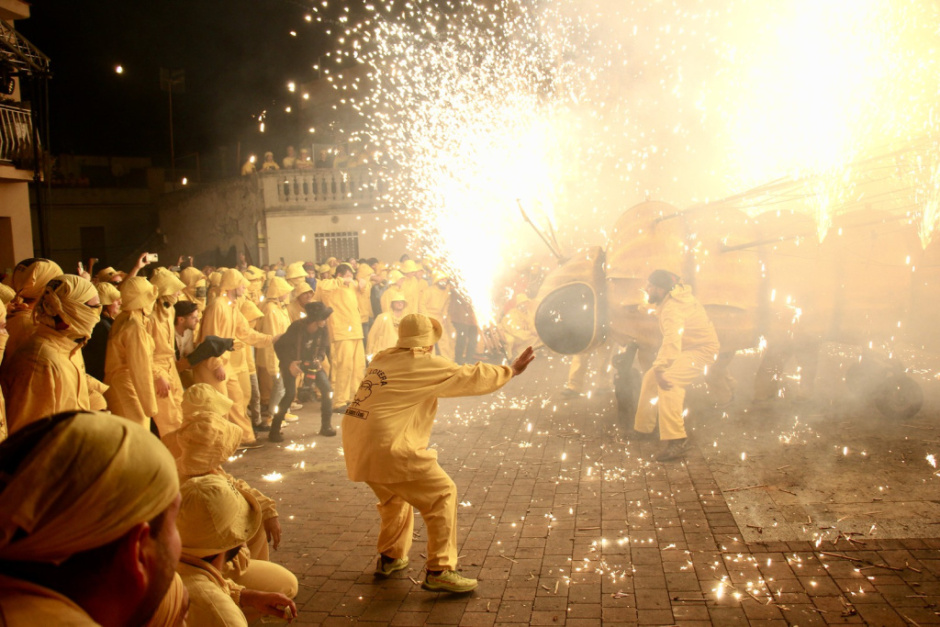
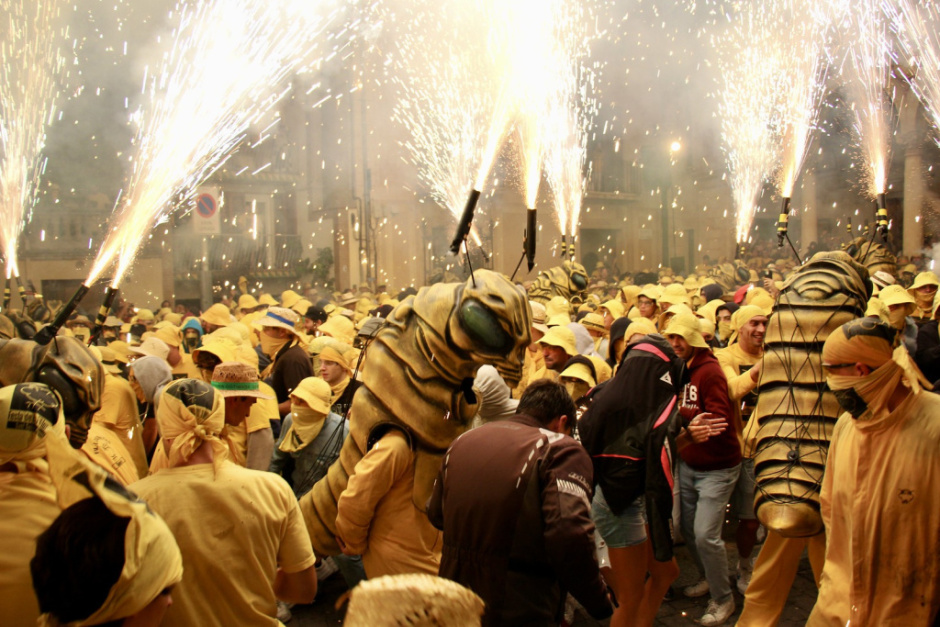
Few nights in Catalonia are as theatrically vibrant as the one on 8 September in Sant Sadurní d'Anoia. Since 1983 the town has been reliving, street by street, the fight that its ancestors waged against the phylloxera plague that devastated the vineyards in 1887 and put the economic future of the Penedès in check. The story becomes a show of fire, light, music and pyrotechnics that mobilizes more than 400 volunteer extras, grouped in groups of farmers, lords, dwarves, giants, devils and the mythical giant articulated insect, symbol of the party.
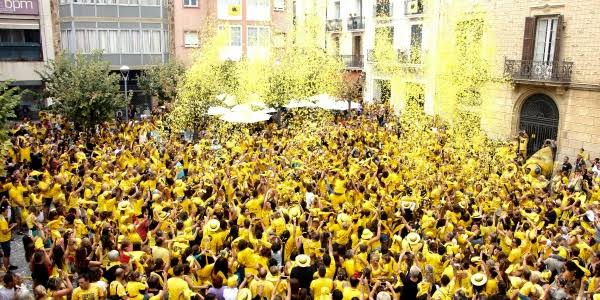
The performance is structured in three acts. It begins with the Dance of the Farmers, a slow dance that shows everyday life before the tragedy. Then, the eruption of the Phylloxera invades the square in the middle of a shower of sparks — it is the frenetic and distressing Dance of the Peasants — until, after an intense firefight, the Final Triumph Ball arrives: the people defeat the plague thanks to the grafting of American vines and celebrate the drive that will give rise to it. in the cava industry.
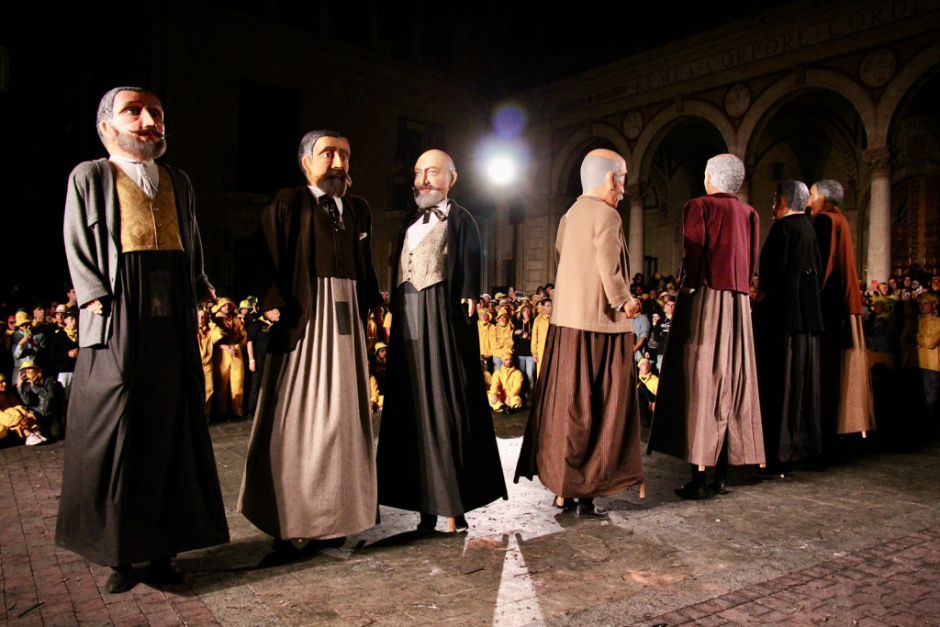
The minor bestiary adds dramatic and humorous nuances: the twelve Dwarfs of the Farmers' Ball (2001) and the seven Giants or Wise Men of Greece (1993-1999) evoke the different social strata involved in the search for solutions. The costumes — designed by Cristina Güell — and the stone cardboard figures — the work of Montse Mateu — carefully recreate the faces of winegrowers and prohomos such as Manuel Raventós or the Mir brothers.
Musically, the party has been incorporating original compositions for gralla and timbal; the bars mark the entrance of each scene and help the audience to follow the narrative thread. The streets become a total stage: ornate balconies, shimmering glass hats, novice wines that run from hand to hand and a dense aroma of gunpowder that is permeated on clothes.
The Philoxera Festival is declared a Heritage Festival Element of National Interest and has become a tourist asset of the first order. Its pedagogical value is reflected in the Cava Centre, where costumes and audiovisual works are exhibited, as well as in the school program for introducing intangible heritage. Year after year, the passion of the Sadurninans keeps alive the memory of an episode that, far from collapsing them, made them more resilient and creative.


 CAT
CAT ESP
ESP FRA
FRA POR
POR ITA
ITA ALE
ALE NLD
NLD ZH
ZH JA
JA