We use our own and third-party cookies for analytical and technical purposes, processing data necessary to create profiles based on your browsing habits. You can find more information and configure your preferences in 'Cookie Settings'.
 Back
Back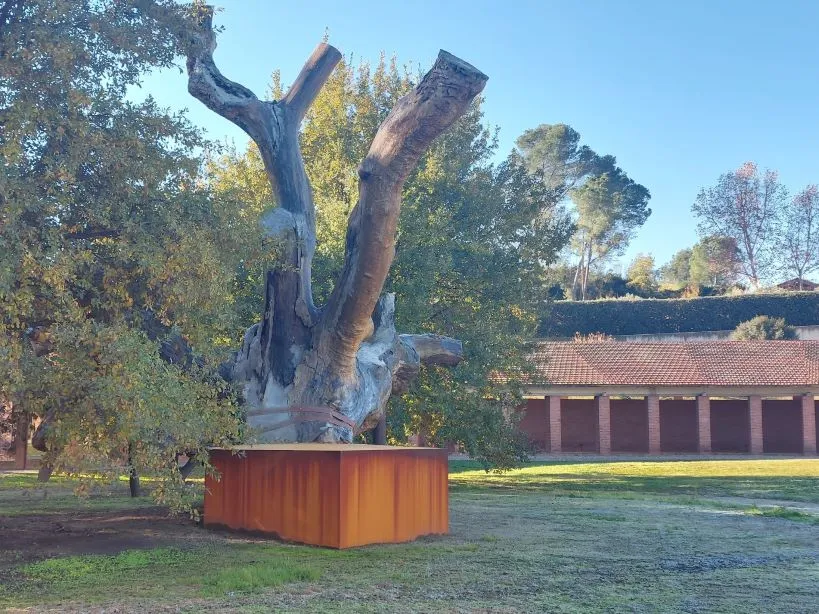
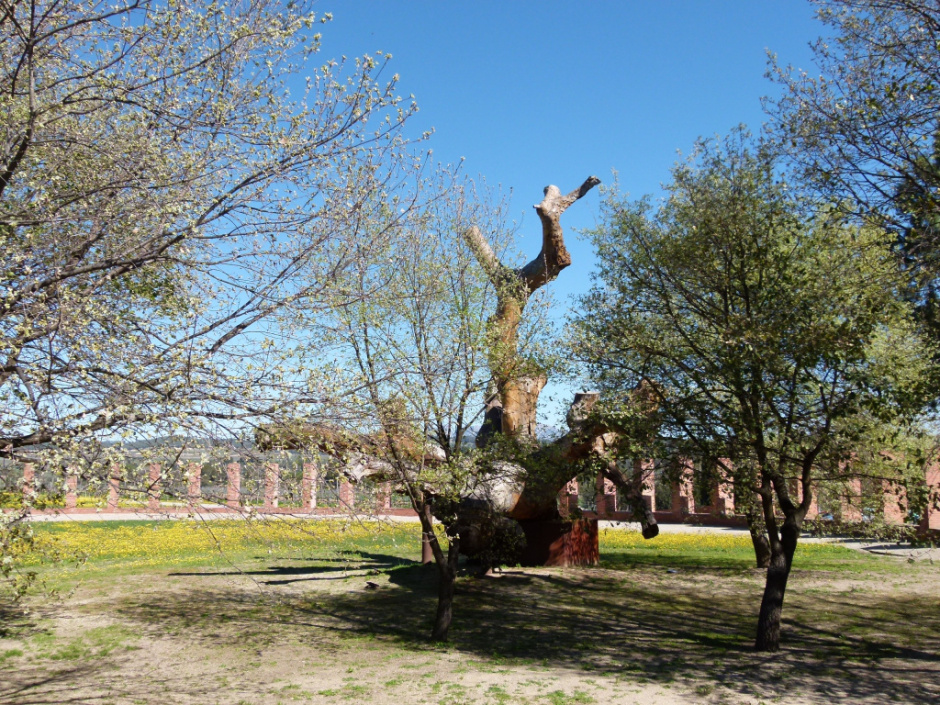
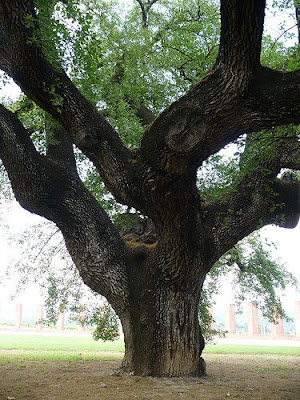
At the entrance to the Raventós i Blanc cavas, next to the stream of Lavernó, stood until a few years ago an imposing specimen of Quercus × cerrioides popularly known as the Oak of Can Codorniu. With a height of 17 meters, a head that exceeded 28.5 meters and a barrel vault of 5.22 meters, it was considered the most emblematic oak in Catalonia. On June 9, 1987 it was one of the first trees protected by Decree 214/1987, which declared monumental trees, sharing honor with the Pine of the Three Branches.
The oak tree was born, according to experts, between 350 and 550 years ago. Over the centuries it witnessed the transformation of the Can Codorniu estate — cradle of the Raventós family — and the conversion of the Penedès into the world capital of cava. Old documents mention it as a milestone and meeting point for the vineyard workers. In 2009, affected by fungi and structural weaknesses, a strong storm knocked it down. The trunk, however, remained attached to the roots and still sprouted some springs, the spur of a struggle that mobilized the cavas and the Generalitat to save it.
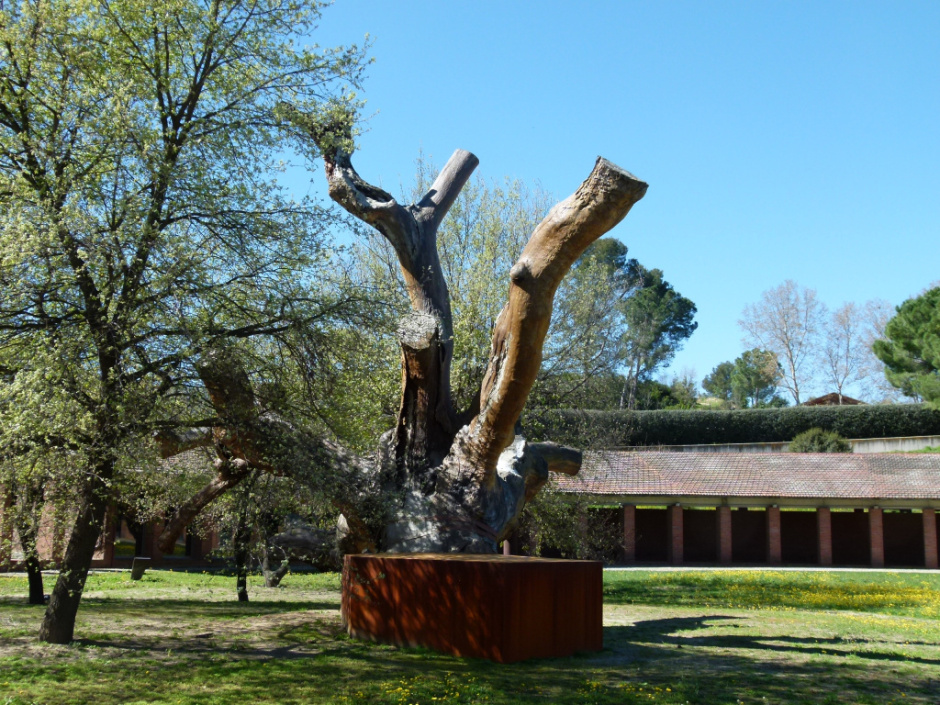
Finally, in 2016 the tree died. Far from being removed, it was decided to preserve its trunk and some main branches as a living sculpture of the collective memory. Today, in Plaça del Roure, the skeletonized silhouette dialogues with the vineyards and reminds visitors of the vulnerability of the landscape and the importance of preserving it. The space continues to be a symbolic meeting point where tastings, presentations and institutional events linked to cava are held. The Oak of Can Codorniu, registered with the code AM 03.240.01 in the Inventory of Monumental Trees of Catalonia, remains an identity symbol for the Sadurninans, an inevitable postcard in the heart of the Penedès.


 CAT
CAT ESP
ESP FRA
FRA POR
POR ITA
ITA ALE
ALE NLD
NLD ZH
ZH JA
JA