We use our own and third-party cookies for analytical and technical purposes, processing data necessary to create profiles based on your browsing habits. You can find more information and configure your preferences in 'Cookie Settings'.
 Back
Back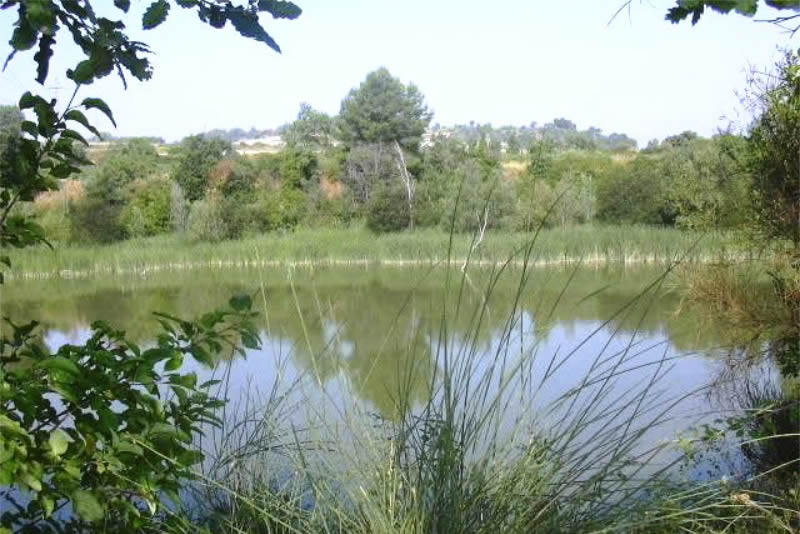
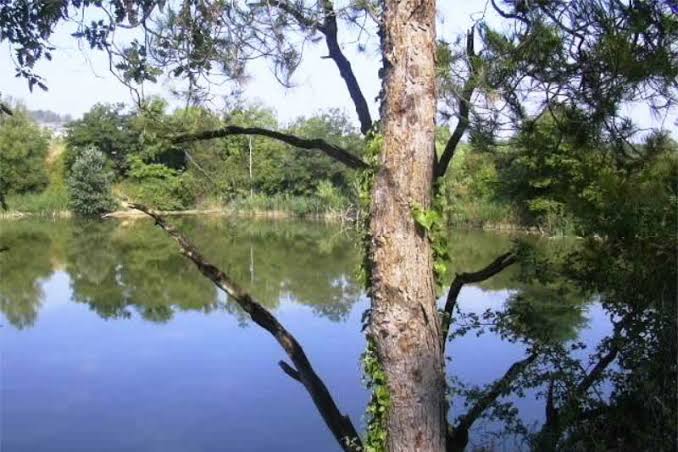
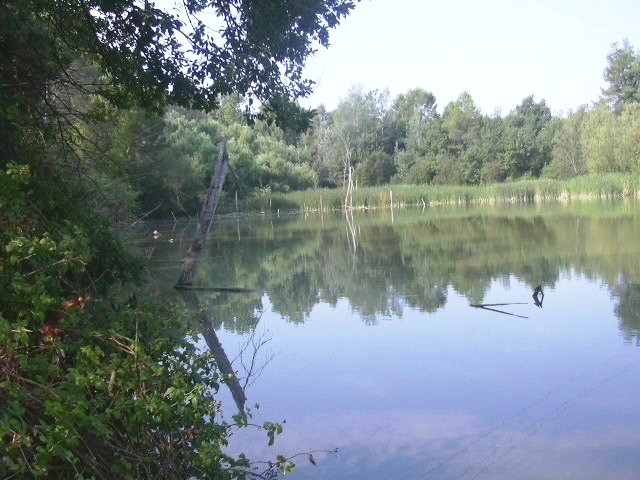
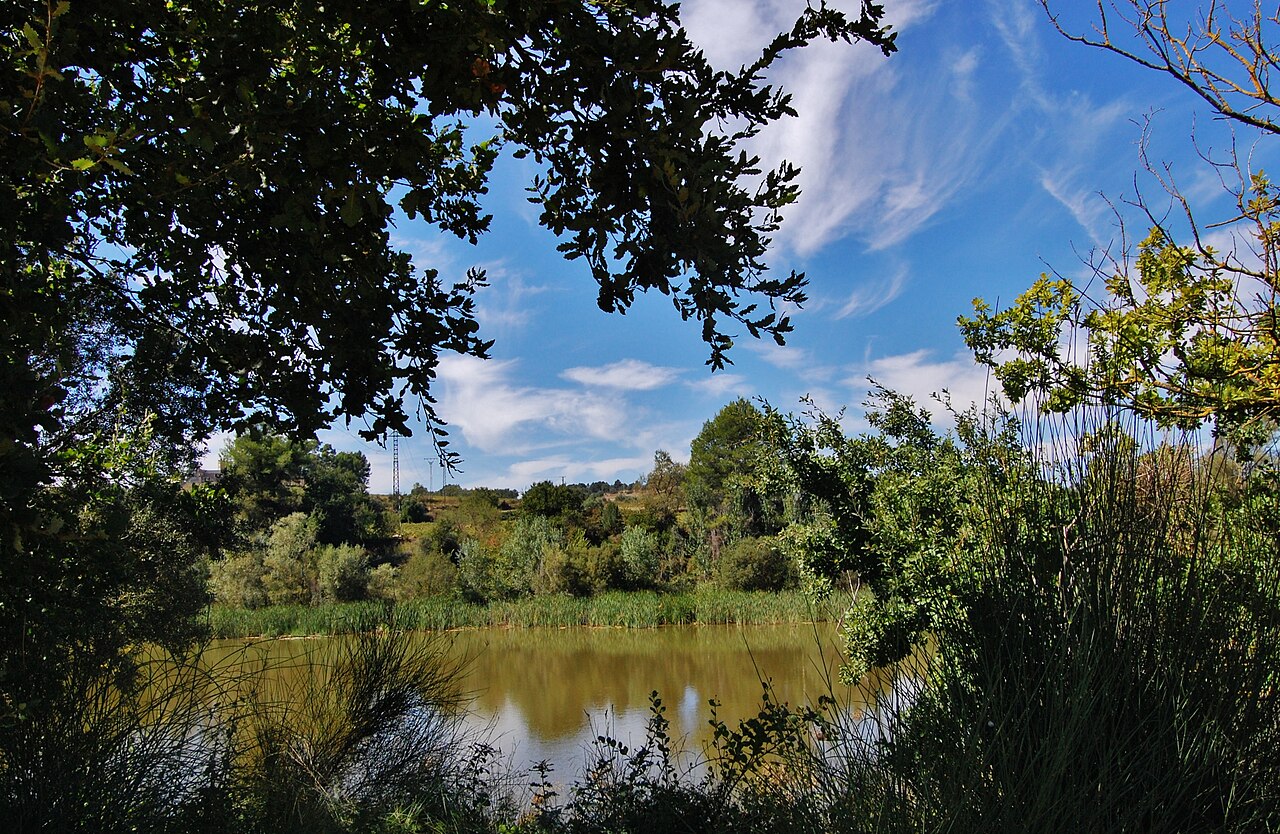
Leaving the Vilarnau neighbourhood, the path that follows the torrent of Can Ferrer del Mas discovers, behind a gentle curve of lentils and white pine, the so-called Lake of Can Codorniu —or Lake of Raventós i Blanch—, a small reservoir of about 18,700 m² built in 1906 to supply water to the neighboring cellars. The dyke, executed with clay soils, was mimicked with the landscape to the point that today, more than a century later, the hydraulic works are almost confused with the natural relief of the Penedès.
Although it has ceased to provide industrial service, the lagoon has become a true oasis of biodiversity in the municipality. The permanent water level has allowed the formation of very varied habitats: extensive reed beds, pine forests of white pine with Mediterranean maple, bardisses of roldor and scrubland and a strip of riparian forest along the stream, where oaks, oaks, poplars and white willows thrive. This plant mosaic gives shelter to a good number of protected species included in the annex to Law 22/2003.
Amphibians include the salamander, the green frog and the kingfisher, while the waters host common carps — both the typical variety and the specularis — and the invasive but hardy gambusia fish. The sky and the shores of the lake are the daily scene of chivitones, cuallargues mallerengues, red partridges, crossbills, kingfishers, pit-roigs and common choricers, making the space a place of great ornithological interest, especially in the early morning.
Several reports prepared by GEDEN (2007-2009) at the request of the City Council have inventoried the flora and fauna and have proposed management measures to correct problems detected: debris discharges and inert waste, low quality water supplies, proliferation of exotic species and human overcrowding. Despite these impacts, Lake Codorniu continues to be a first-rate biotope bridge, as it connects small wetlands scattered across the Penedès plain.
The route to the water sheet is flat and easily accessible, a circumstance that makes it an ideal exit for both families with scoundrels and for naturalists. It must be remembered, however, that the property is private (Raventós i Blanc) and that both the signage and the silence demanded by the fauna must be respected.
On spring evenings, when the golden light shines through the vines and lights the reeds, the visitor can still perceive the echo of those first cava workers who, more than a hundred years ago, domesticated water to give life to the bubbles that today identify Sant Sadurní around the world. The lake, silent witness to that effort, reminds us how nature can elegantly retrace the traces of human industry.


 CAT
CAT ESP
ESP FRA
FRA POR
POR ITA
ITA ALE
ALE NLD
NLD ZH
ZH JA
JA