We use our own and third-party cookies for analytical and technical purposes, processing data necessary to create profiles based on your browsing habits. You can find more information and configure your preferences in 'Cookie Settings'.
 Back
Back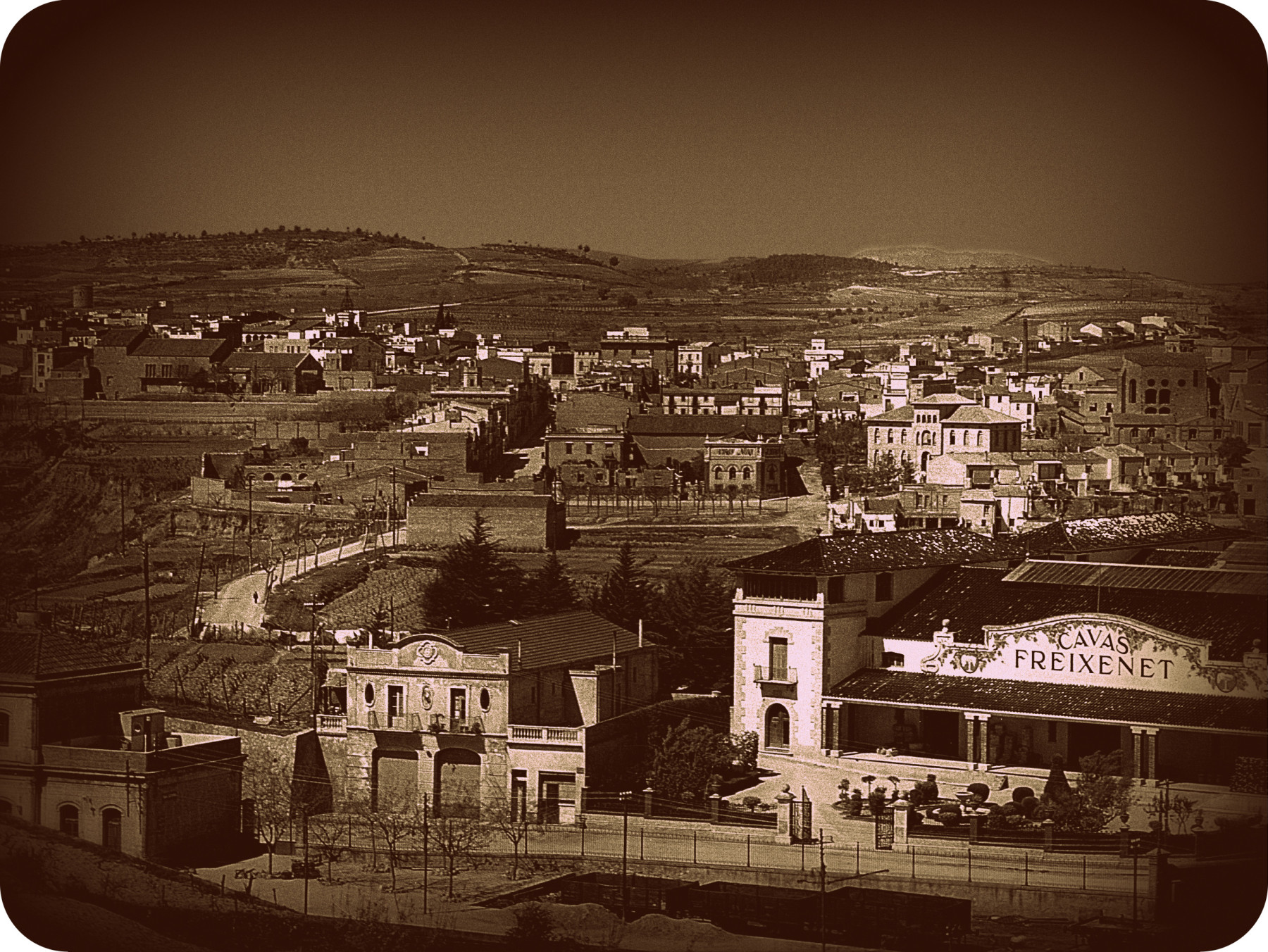
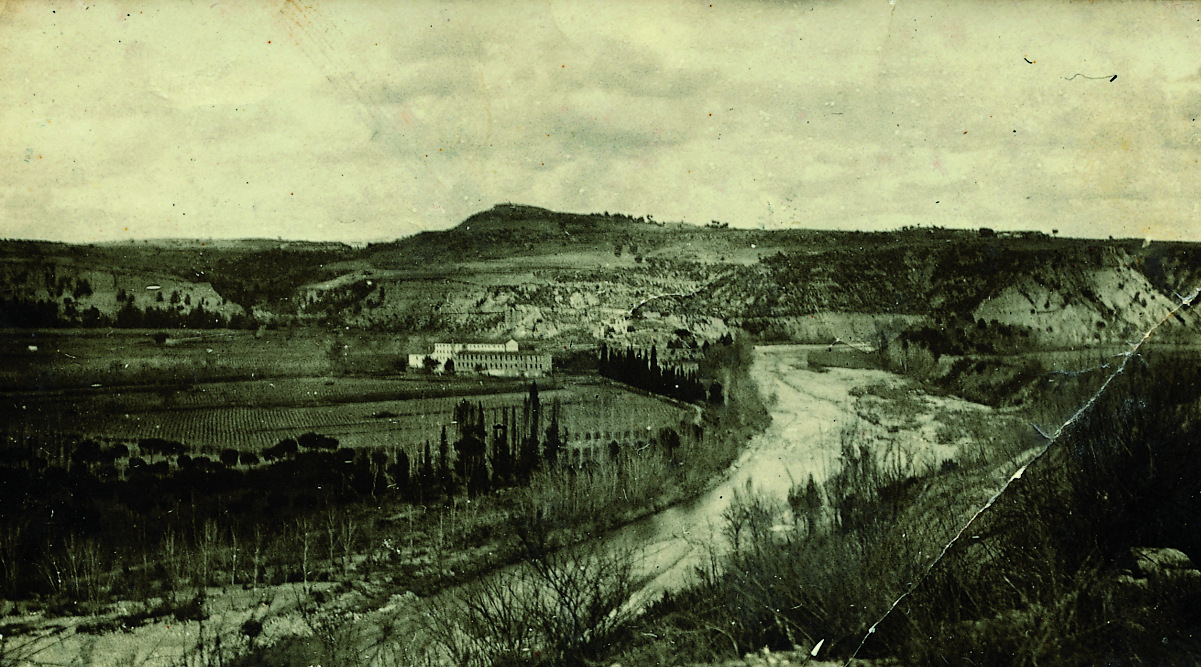
When you arrive in Sant Sadurní d'Anoia you have the feeling of entering an amphitheater of vineyards that, for two thousand years, has observed the passage of history between the plain of Penedès and the meanders of Anoia. The route of the Via Augusta — today evoked by the heritage route that follows the Roman route and by the Roman Bridge or Portal de Ponent — recalls that in ancient times this place was an obligatory passage between the colonies of Tarraco and Barcino. Those first roads, fountains and small rural settlements left a discreet but persistent footprint on which, centuries later, the parish of Sant Sadurní de Subirats would take root.
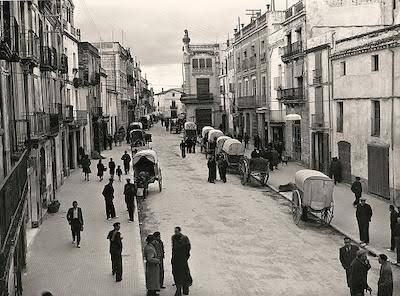
MEDIEVAL PERIOD. The first document that cites the church of Sant Sadurní de Subirats dates from the year 1080. In the midst of feudal repopulation, the term was included in the barony of the termenate castle of Subirats, subject to several noble families who exploited the lands and collected the dues. For centuries, the village was nothing more than “a set of houses on either side of the Ral road from Barcelona to Tarragona”, but its strategic position, in a relatively flat and well-connected point, favoured it over other parishes of the University of Subirats — Sant Pau d'Ordal, Sant Pere de Subirats and Sant Pere de Lavern. In 1493, when the last lord died without a direct heir, the barony was definitively incorporated into the Crown, and Sant Sadurní became administratively dependent on the monarchy with greater freedom of commercial action.
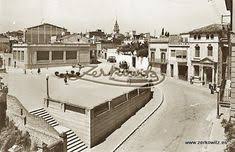
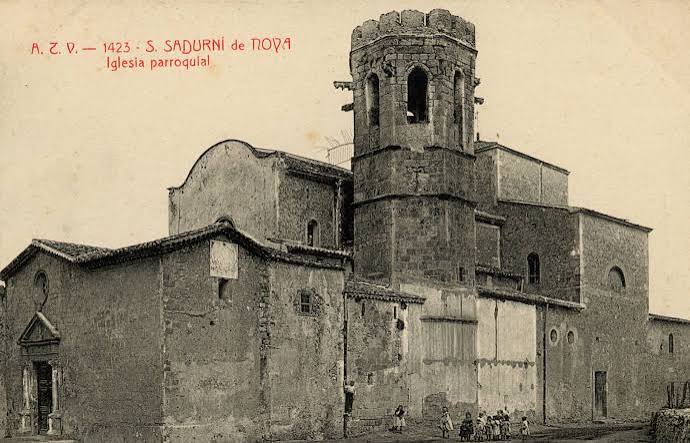
MODERN ERA. The 18th century marked a before and after. In 1764, after a long process of local claims, Sant Sadurní de Subirats achieved municipal independence and adopted its current name taking as its surname the river that crosses the term. In the same century, the first intensive cultivation of white vines for still wines began to appear, which, very soon, would be exported to the Indies through the port of Barcelona. The town, still small, was articulated around Raval Street and the Church Square, guarded by the Gothic bell tower of the 16th century and the Carlin tower of the Font del Mingo, erected in 1873 in the middle of the Third Carlin War to control the northern entrance to the village.
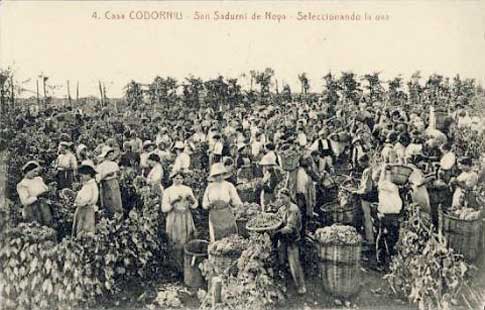
19TH CENTURY. The centenary of steam and railway—the line would arrive around 1865, although the current station is the result of later expansions—led to the definitive emergence of viticulture. In 1872, in an almost visionary gesture, Josep Raventós i Fatjó made the first bottles of cava in the Codorníu cavas inspired by the champenoise method. The outbreak was immediate, but the dream was threatened in 1887 by phylloxera. San Sadurní, far from sinking, became a reference in the struggle: peasants and scientists, with the support of the so-called “Seven Wise Men of Greece” —among them Marco Mir and Capella—, promoted demonstrations, replantings with an American foot and events that we commemorate today every September 8 with the popular Feast of Philoxera.
20TH CENTURY. After the crisis, cava consolidated itself as an economic engine. Between 1895 and 1920 Josep Puig i Cadafalch, at the service of Manuel Raventós i Domènech, erected the majestic modernist complex of Codorníu —Porxo de Presses, Celler Gran and Pavilion of Expeditions, today National Artistic Historical Monument—; shortly afterwards, Josep Ros i Ros designed the Freixenet ships (1927-1929). This industrial effervescence was accompanied by an urban and cultural explosion: the Casa de la Vila (1896-1900), the New Schools (1902), the Ateneu Agrícola (1908), cal Solà (1919) and the Baqués house (1925) attest to a modernism and a noucentism that permeate streets such as the Raval, the Hospital or Sant Antoni. The Civil War and the post-war period slowed the pace, but the cava industry — already internationalized — kept the town alive.
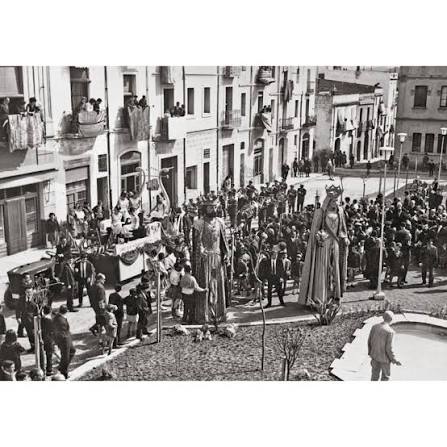
ACTUALITY. Today, with just over 12,900 inhabitants, Sant Sadurní is recognized as the Capital of Cava and beats to the rhythm of the vineyards, the Festa Major (29 November), the Cava Week and the Escumostra — heir to the Cavatast. The old town, with self-guided modernist routes, coexists with facilities such as the Cava Centre, the Espai Xocolata Simón Coll or the “Camins del Cava” route that meanders between vines and dry stone margins.
REGIONAL AND TERRITORIAL RELATIONSHIP. Located in the middle of Alt Penedès and well connected by AP-7, C-15 and R4 roundabout, the town acts as a gateway to a wine region that embraces Subirats, Gelida and Vilafranca del Penedès. Many of the Sadurninen wine families —Raventós, Ferrer, Torelló, Giró— have been key in the international projection of Penedès and in the creation of the DO Cava (1986). The Mercè Rossell i Domènech Viticulture School, in the Espiells neighbourhood, continues to train generations of farmers and winemakers.
ANECDOTES AND CURIOSITIES. Few know that the thrill that echoes on rooftops every noon of Neighborhood Week evokes the old tradition of passing relief between the seven historic neighborhoods; or that Freixenet's undulating cornice draws vine pompoms made of glazed ceramics, a discreet homage to the local raw material. And it is that, despite the modernity of robotic cavas, Sant Sadurní still measures time in harvests, harvests and bubbles that rise slowly, like the memories of a people that has managed to convert the peasant effort into cultural heritage and collective identity.


 CAT
CAT ESP
ESP FRA
FRA POR
POR ITA
ITA ALE
ALE NLD
NLD ZH
ZH JA
JA