We use our own and third-party cookies for analytical and technical purposes, processing data necessary to create profiles based on your browsing habits. You can find more information and configure your preferences in 'Cookie Settings'.
 Back
Back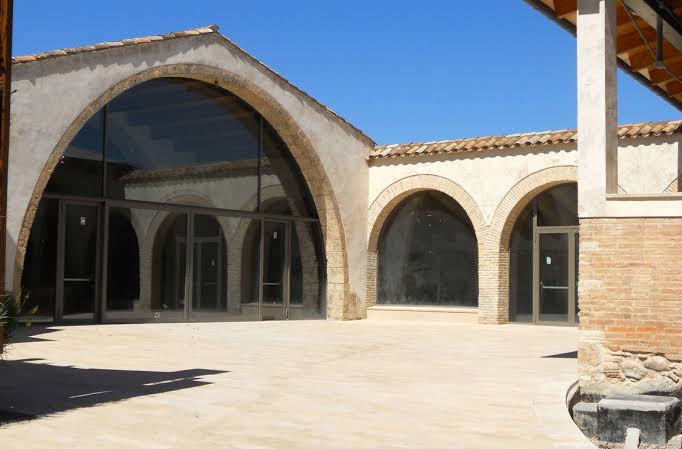
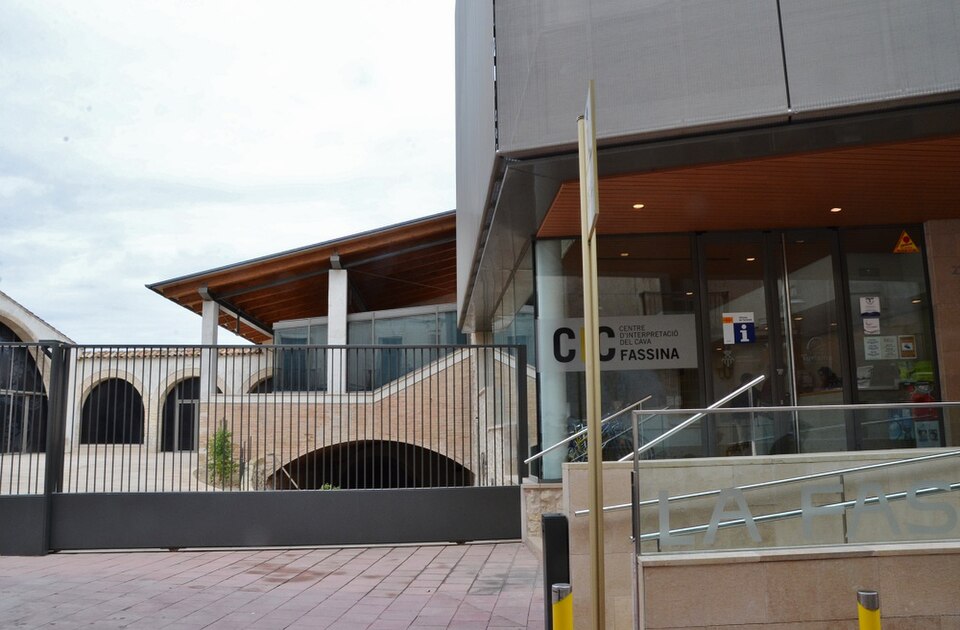
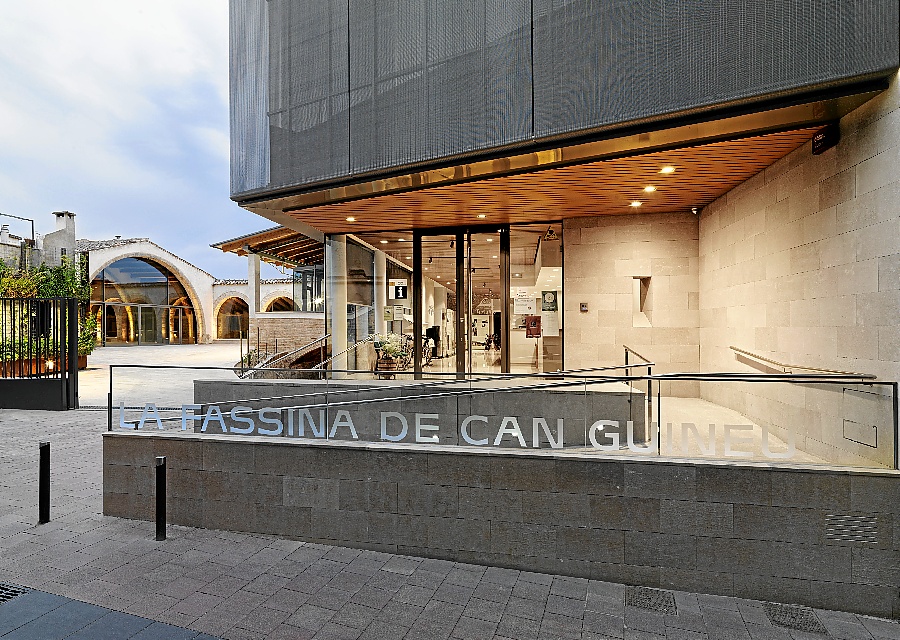
Halfway between Hospital and Sant Pere streets, right in front of the manor house of Can Guineu, stands an industrial complex of 1,200 m² that history knows as the Fassina de Can Guineu. Built in the 1810s by the businessman Pere Mir i Porta — the mythical “Guine” —, the Fassina was born as a distillery of spirits with state-of-the-art machinery designed by the engineer Joan Jordana i Elías. The initial 500-litre alambino was later replaced by a French team of Marcos Brives, increasing performance and placing Sant Sadurní at the forefront of the post-war French industry.
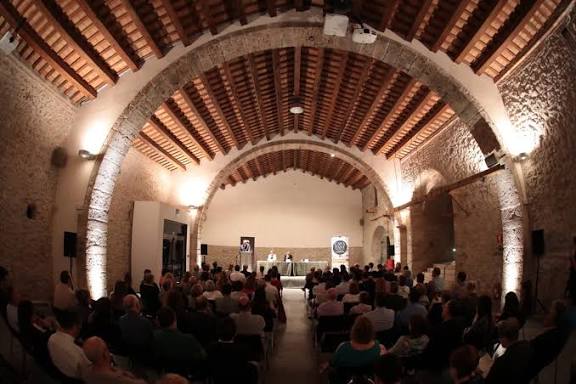
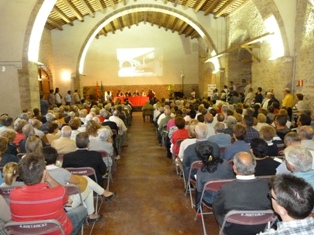
Architecturally, the complex is distributed in two floors differentiated by the natural slope of the land. At the top, with access from Carrer de l'Hospital, opens the nave of the fascia, a space crowned by half-point arches of cast stone that support diaphragm arches and a roof on two sides with wooden beams. At right angles, three additional arcades led to the porches of the cups. A modern single-pitched canopy today encloses the courtyard that served as a vintage unloading dock for the mechanical presses, one of them still on site in the exhibition.
The lower level, a step below Sant Pere Street, houses the old “big cellar”, three semicircular arches that start from the same floor and support a roof also with two waters. The winery connects with the room called “cava”, where five cups of varnished cairons and the hanging channels that transported the must remained. The atmosphere of this space, fresh and with the smell of yeast, has been preserved thanks to a meticulous renovation that respects the original traces.
Distillation was the main activity until the middle of the 19th century, when the machinery was dismantled to focus on winemaking and even olive oil production. The winemaking activity ceased in the 1950s, coinciding with the death of the last descendant. In 2003, the City Council acquired the complex, declared it BCIL 1668-I and installed the Cava Centre, a cava interpretation centre and Tourist Office, giving it a new informative life.
Today, La Fassina can be visited; it offers interactive exhibitions, shows the original press and allows you to understand the technological evolution of the wine and cava industry in the Penedès. The dialogue between centuries-old arches and modern museographic resources turns the visit into a sensory and historical experience, key to understanding why Sant Sadurní is the world capital of cava.
The stones of La Fassina explain, in every corner, the entrepreneurial determination of the Mir, the arrival of the industrial revolution and the step from distilling brandy to producing bubbles. A shining example of Penedès industrial heritage, alive and accessible, combining memory and innovation under the same roof.


 CAT
CAT ESP
ESP FRA
FRA POR
POR ITA
ITA ALE
ALE NLD
NLD ZH
ZH JA
JA