We use our own and third-party cookies for analytical and technical purposes, processing data necessary to create profiles based on your browsing habits. You can find more information and configure your preferences in 'Cookie Settings'.
 Back
Back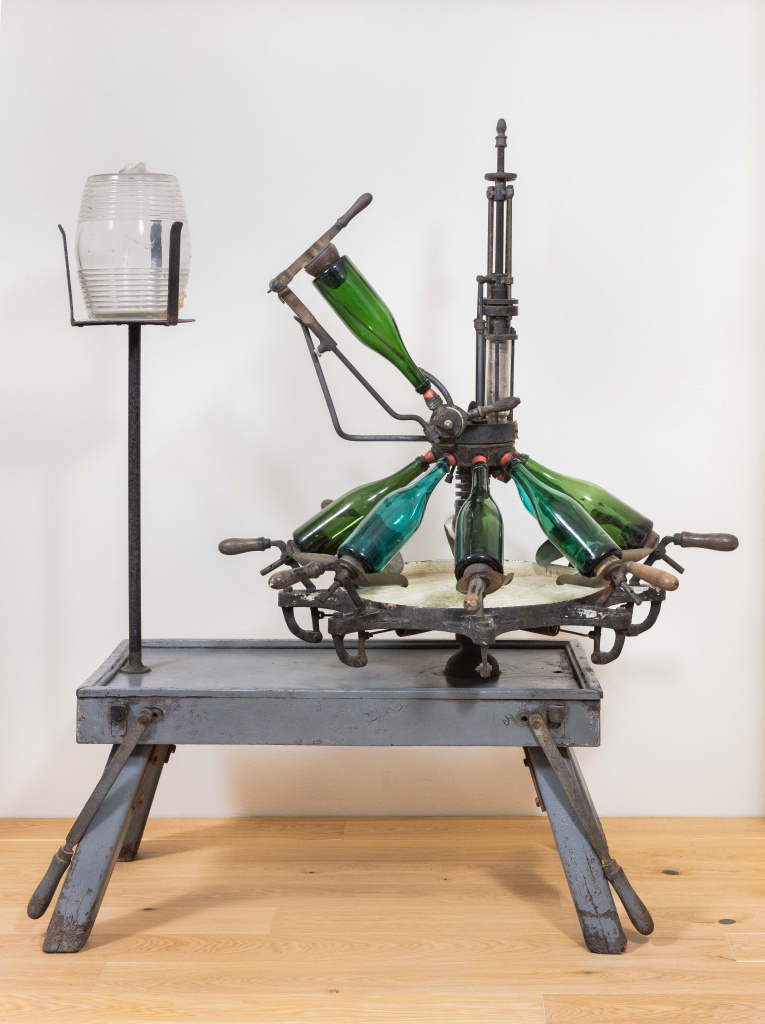
The Vinseum, the Museum of Wine Cultures of Catalonia, preserves a rich collection of 271 pieces directly linked to the natural and cultural history of Sant Sadurní d'Anoia. Although the museum is based in Vilafranca del Penedès, this complex accurately documents the wine and heritage uniqueness of the capital of cava.
The most voluminous part is the paleontological series: 157 fossils collected in Sadurninac sites that allow the reconstruction of the ecosystems of the Penedesian Neogene. Rofes, petrified echinids or small selacium teeth testify to when this land was a coastal plain frequented by marine fauna. Eight samples of mineralogy and petrology — limestone, marl and gypsum — complete the natural area, which explain the origin of the soil where the vineyards thrive.
The cultural story begins with 76 plates of cava, a true collector icon that shows the graphic evolution of local brands; it continues with eleven woodcuts, drawings and posters that present champagne landscapes, modernist commercial advertisements and festive signs; and is complemented by eleven pieces of zoology —nests, dissected birds— that highlight the traditional agricultural biodiversity.
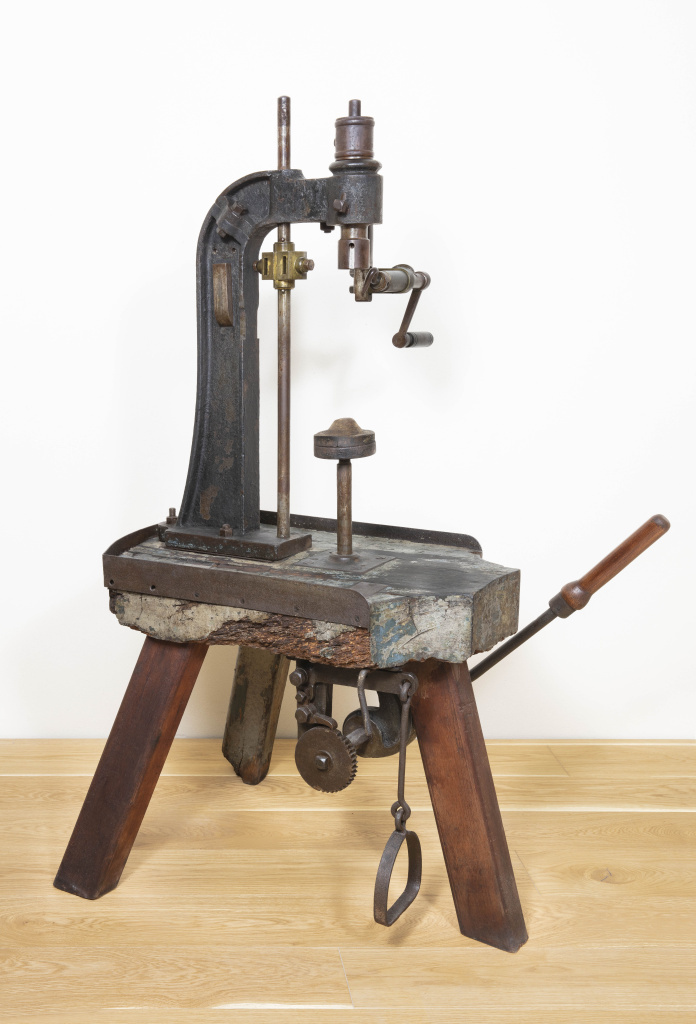
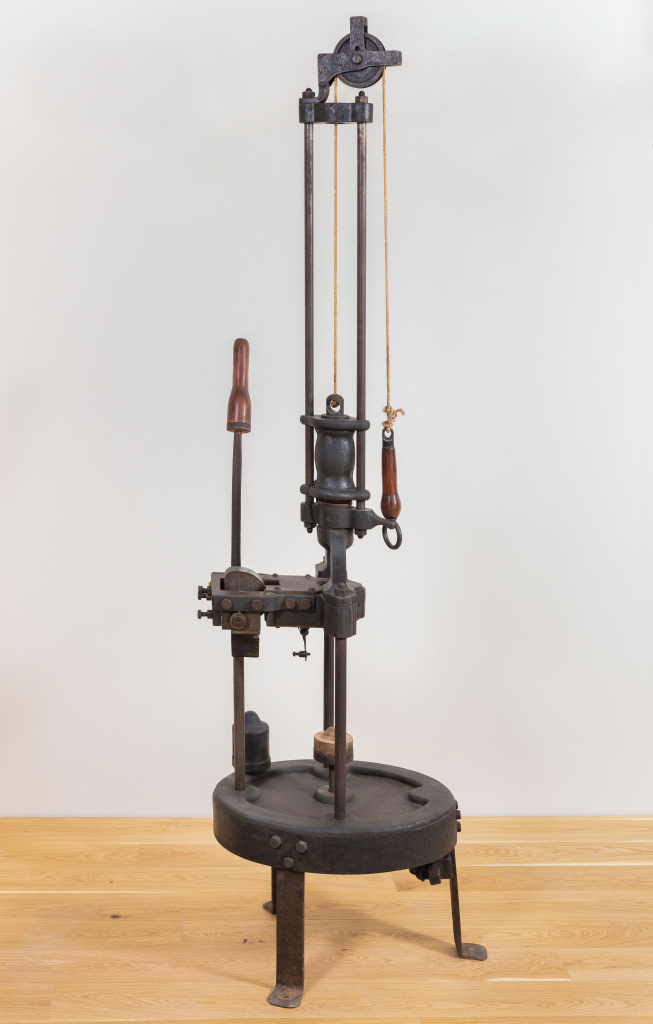
Eight machines and tools linked to the elaboration of cava (removal cages, manual slicers, lever cappers...) recall the small family cavas before the intensive mechanization of the 1960s. Finally, there is a group of archaeological objects from Cal Campmany and the square of Monistrol in Anoia that document human presence from Roman times to the medieval period.
The collection is exhibited on a rotating basis in the permanent rooms and in temporary micro-exhibitions of the Vinseum, accompanied by pedagogical panels linking geological formation, winemaking technique and social evolution of Sant Sadurní. Researchers and students also have digitized access to the records and to a bank of images with rights preserved by the museum.
At the conservation level, each piece is inventoried following the protocols of Law 17/1990 on Museums, with air-conditioned warehouses and preventive restoration when necessary. The ensemble provides a global and transversal vision that transcends the notion of a simple “local collection” and becomes an open window on the landscape, the industry and the memory of cava.


 CAT
CAT ESP
ESP FRA
FRA POR
POR ITA
ITA ALE
ALE NLD
NLD ZH
ZH JA
JA