We use our own and third-party cookies for analytical and technical purposes, processing data necessary to create profiles based on your browsing habits. You can find more information and configure your preferences in 'Cookie Settings'.
 Back
Back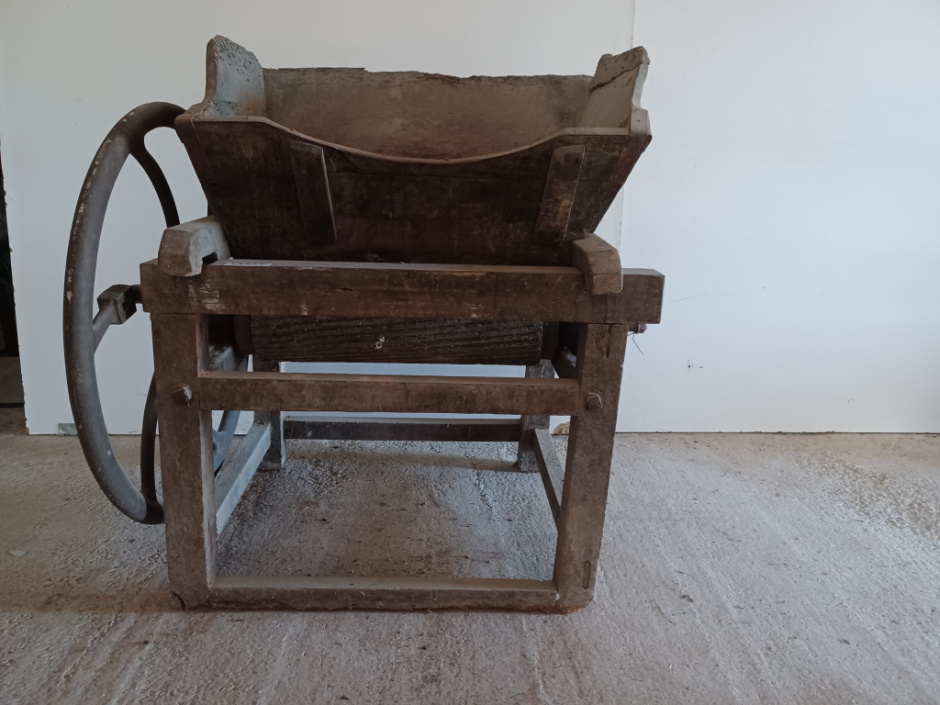
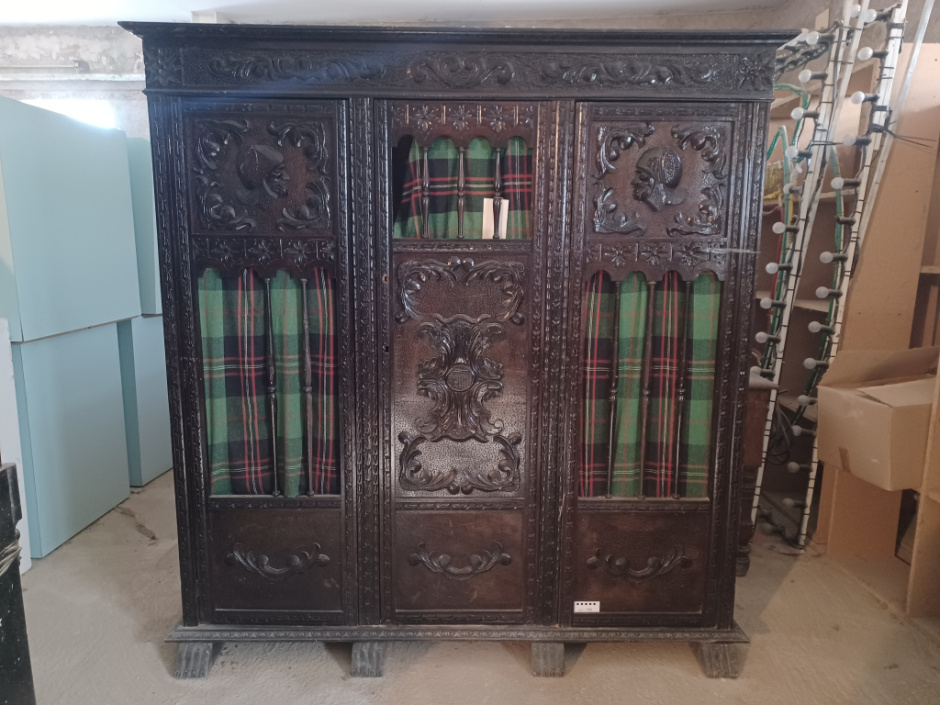
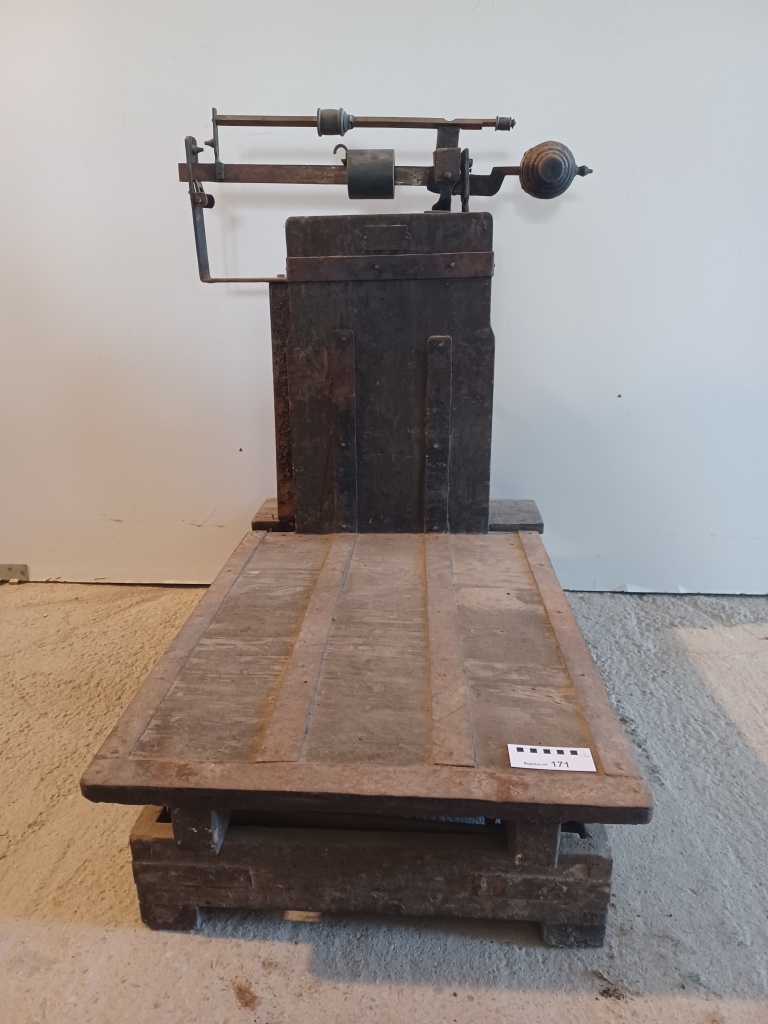
Hidden behind the shelves of the Municipal Archive, the collection of ethnographic objects of Sant Sadurní brings together 279 pieces donated in the 1990s by families of the town with the aim of preserving a domestic legacy that was being lost. Here you can see cavalry flanges and trimmings, cast-iron pans, weights, carbide lamps, traveler trunks, religious icons and even a small collection of bivalve and gastropod fossils that testify to the scientific curiosity of the local bourgeoisie of the late nineteenth century.
The pieces stood for three decades in Can Mas de la Riera, a municipal farmhouse acquired in 1981 and converted into a multifunctional cultural space. There, rooms without air conditioning led to certain losses of identification. In 2023, the company Web Cultura SCP undertook an exhaustive inventory with the tool of the Heritage Office of the Provincial Council: objects were photographed, labeled with a QR code and packed according to museological standards. Only the large furniture — cabinets and trolley flanges — still remains in the farmhouse.
The current exhibition architecture is provisional: cardboard boxes stacked in an air-conditioned warehouse on Calle Sant Pere, 36. Despite the nature of storage, the digital catalog allows school consultations and research on everyday life in rural and semi-industrial Penedès. Many utensils come from carpentry workshops, domestic cellars and kitchens where the main party dishes were cooked.
One of the most valued areas is that of religious symbols: olive crucifixes, bone rosaries and a missing figure of San Sadurní in polychrome carving, today out of the collection but documented in the first files. The technology section includes a Sigma sewing machine, horseshoes and a simple dynamo that illustrated the first local electrical installations.
Despite not being visitable, the collection projects the future: the Municipal Museization Plan 2025-2030 foresees a stable room that explains the material life of the Sadurnines and that recovers Can Mas de la Riera as a space for the interpretation of rural heritage. Meanwhile, the objects, packed and catalogued, hope to serve as a bridge between generations again.


 CAT
CAT ESP
ESP FRA
FRA POR
POR ITA
ITA ALE
ALE NLD
NLD ZH
ZH JA
JA