We use our own and third-party cookies for analytical and technical purposes, processing data necessary to create profiles based on your browsing habits. You can find more information and configure your preferences in 'Cookie Settings'.
 Back
Back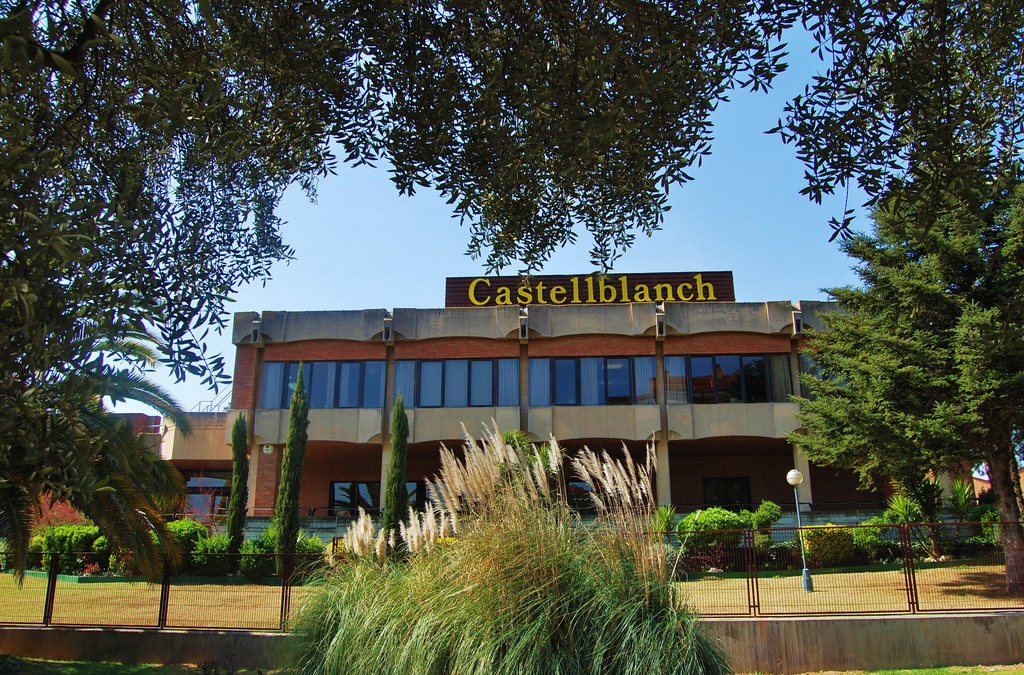
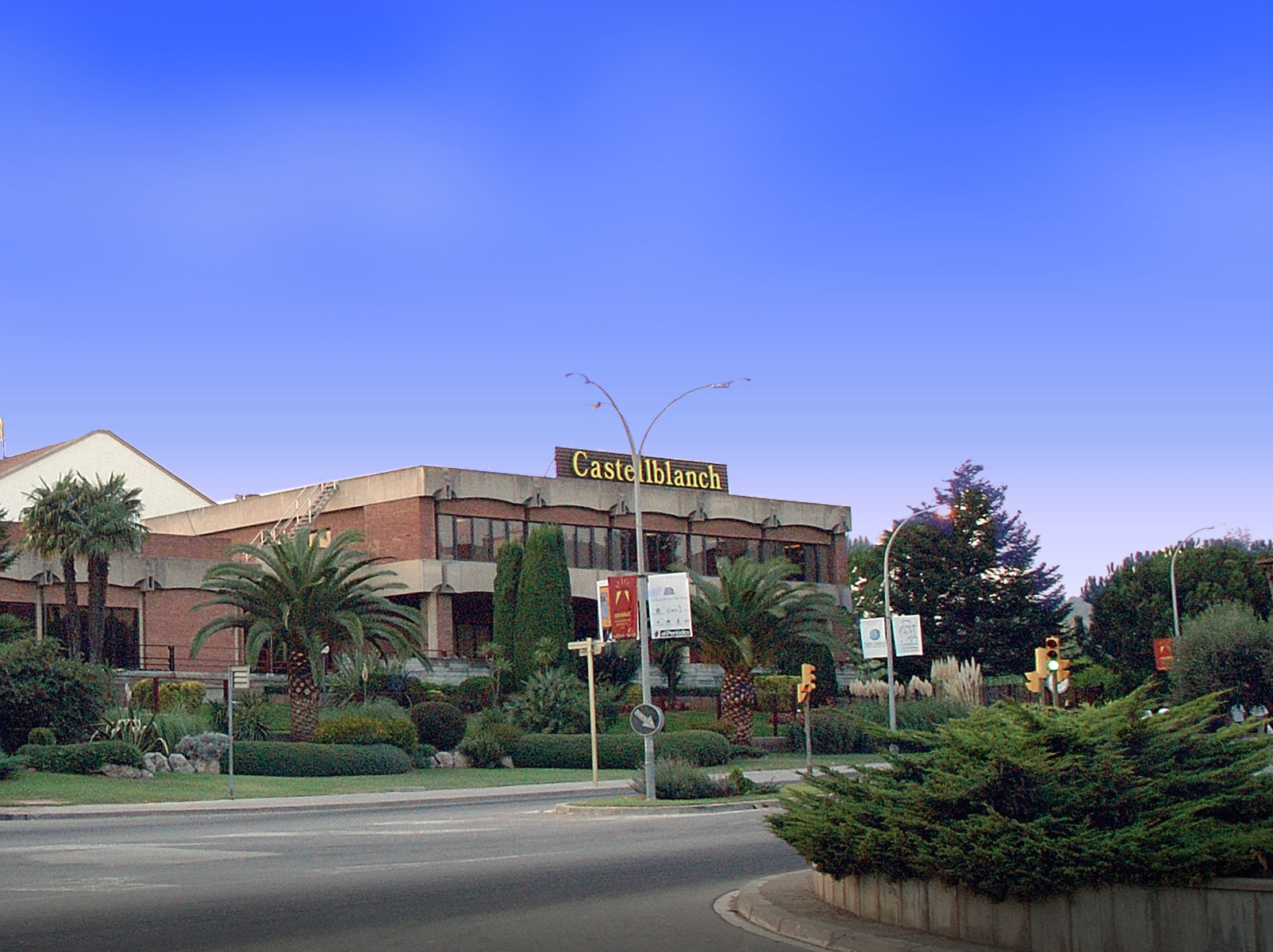
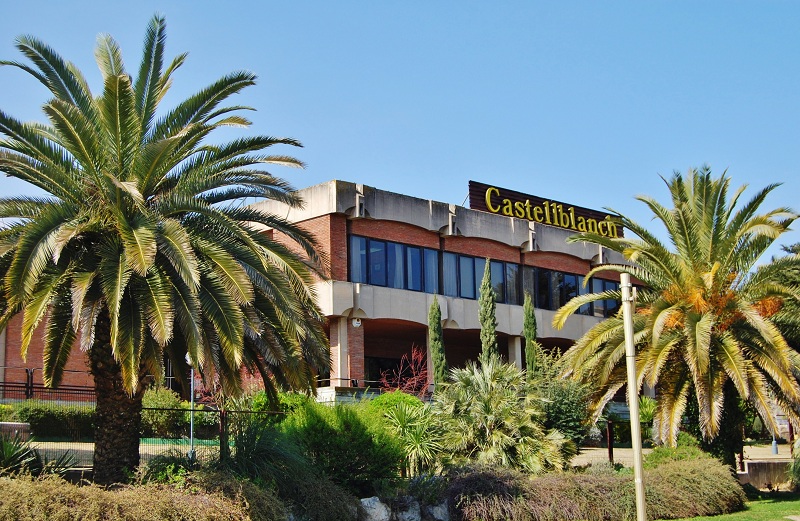
At the western end of the Rambla de la Generalitat, the Castellblanch Caves constitute one of the most representative wine-making industrial complexes of the 20th century boom. The winery, started in 1908 —date inscribed in one of the leaded stained-glass windows—, combines three unequal naves covered by two waters. Stone pilasters and buttresses punctuate the side facades, while the main one shows huge semicircular arches that illuminate the nave and evoke the modernist language of the cathedral-wineries that proliferated in the region.
The office block, open on the promenade, shows the most rationalistic side of the company: two parallel concrete and brick crugies, with a columned porch that supports the floor plan and an elaborate strip of moulded modules that extends horizontally, giving it a dynamic and elegant air. A perimeter garden mitigates the industrial impact and offers a pleasant green space.
The history of the firm begins with Jeroni Parera i Figueras (1887-1953), who in the 1920s launched the sparkling Jerónimus. Throughout the 1950-60s, under the direction of Antoni Parera i Rosell, the company implemented the Granvàs method, created its own distribution network and invested in television advertising. This commitment places Castellblanch as the third Catalan brand, behind Codorníu and Freixenet, with more than sixty employees.
Innovative, the company introduces microfiltration of pre-draft wine, selects yeasts and mechanizes the removal, which considerably increases production. In 1974, immersed in tensions over the Granvàs system, she joined the Rumasa group and, since 1984, has been part of the Freixenet group.
Still active and well preserved (IPAC 38298), the private property maintains the productive use of the site, although visits have been reduced and are concentrated on specific days. The ensemble illustrates the industrial architecture of cava and the key role of the Penedès in the internationalization of its sparkling wines.


 CAT
CAT ESP
ESP FRA
FRA POR
POR ITA
ITA ALE
ALE NLD
NLD ZH
ZH JA
JA