
We use our own and third-party cookies for analytical and technical purposes, processing data necessary to create profiles based on your browsing habits. You can find more information and configure your preferences in 'Cookie Settings'.
 Back
Back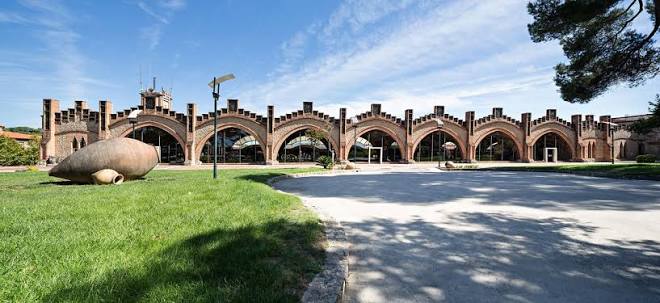
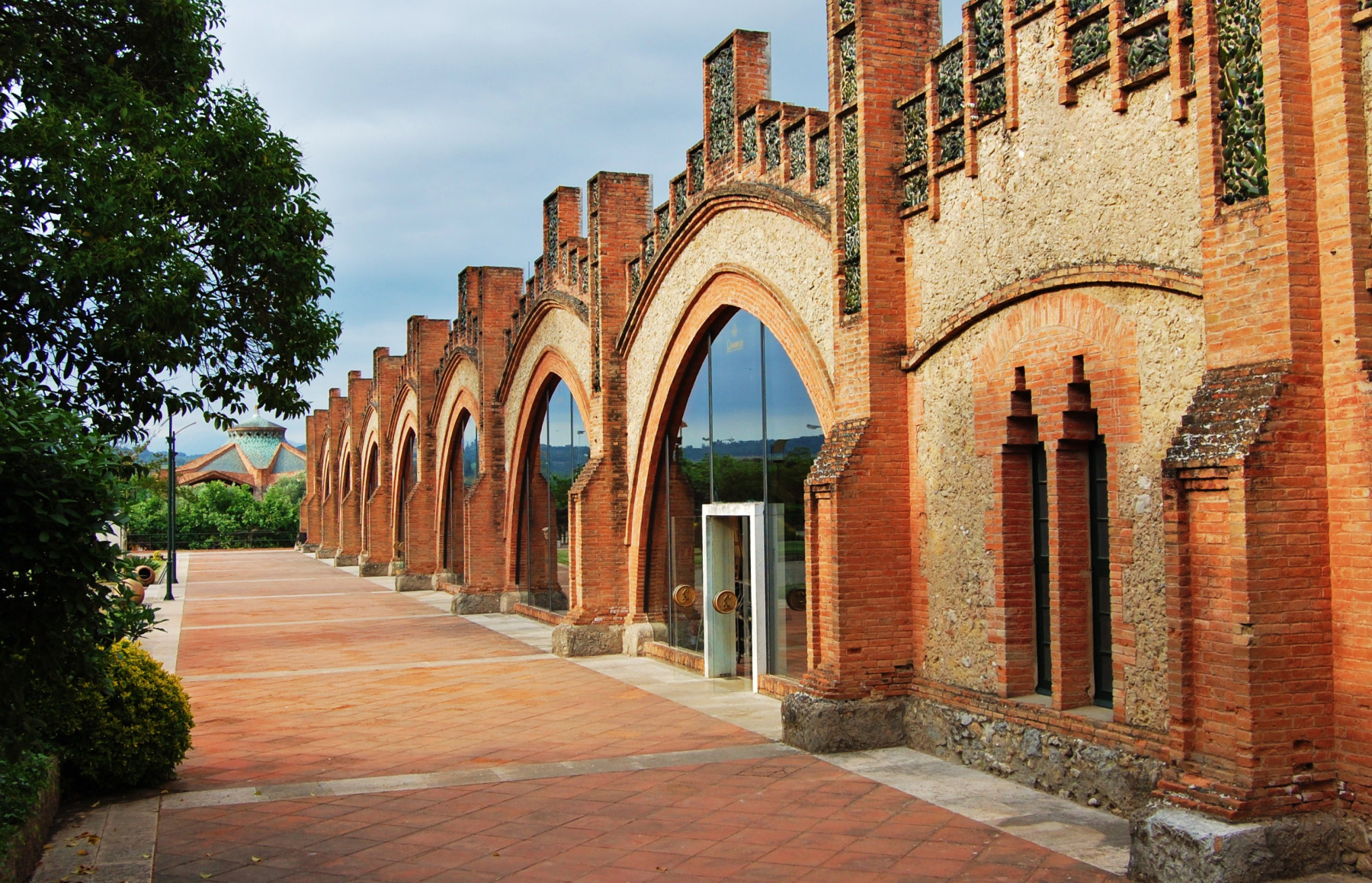
The Codorníu Caves complex, declared a National Historic-Artistic Monument, is the architectural emblem of Penedès industrial modernism. Promoted by Manuel Raventós and designed between 1895 and 1915 by the architect Josep Puig i Cadafalch, it displays an authentic catalogue of formal and constructive solutions that draw on both Gothic art and Cistercian architecture, but passed through the veil of an experimental modernism that knows how to integrate functionality and beauty.
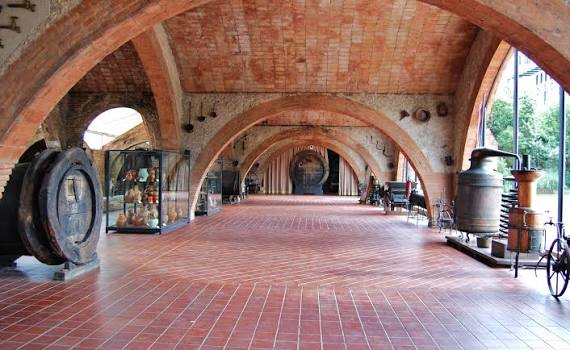
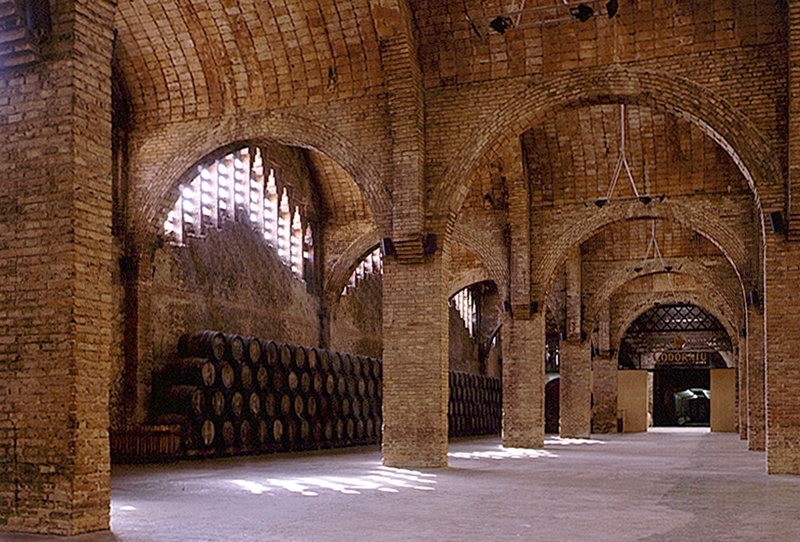
The visitor accesses it through the majestic Porxo de les Presses, a basilical room with four naves covered with flat brick vaults that start from imposing semicircular arches directly from the ground. The light diffused by the parabolic profile windows and the earthy-toned glazed ceramics evoke the recollection of a monastic bedroom; hence it is often compared to the Cistercian. In this space, now museumized, is the Museum of Tools and Apparatus that explains the origins of cava.
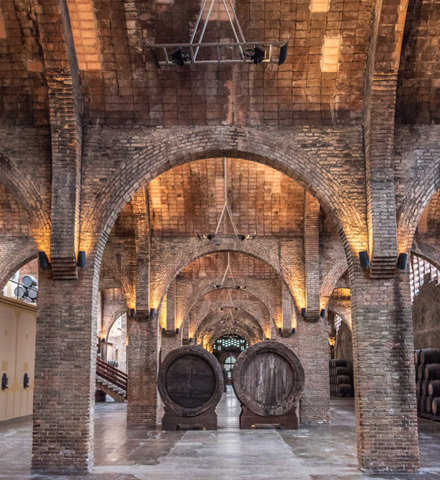
Next is the Celler Gran, conceived as a Gothic storefront where the exposed brick pillars burst into toral arches that branch in four directions, generating a structural mesh that allows large lights free of intermediate columns. Materiality, cross ventilation and beauty go hand in hand in a work designed for the aging of sparkling wine.
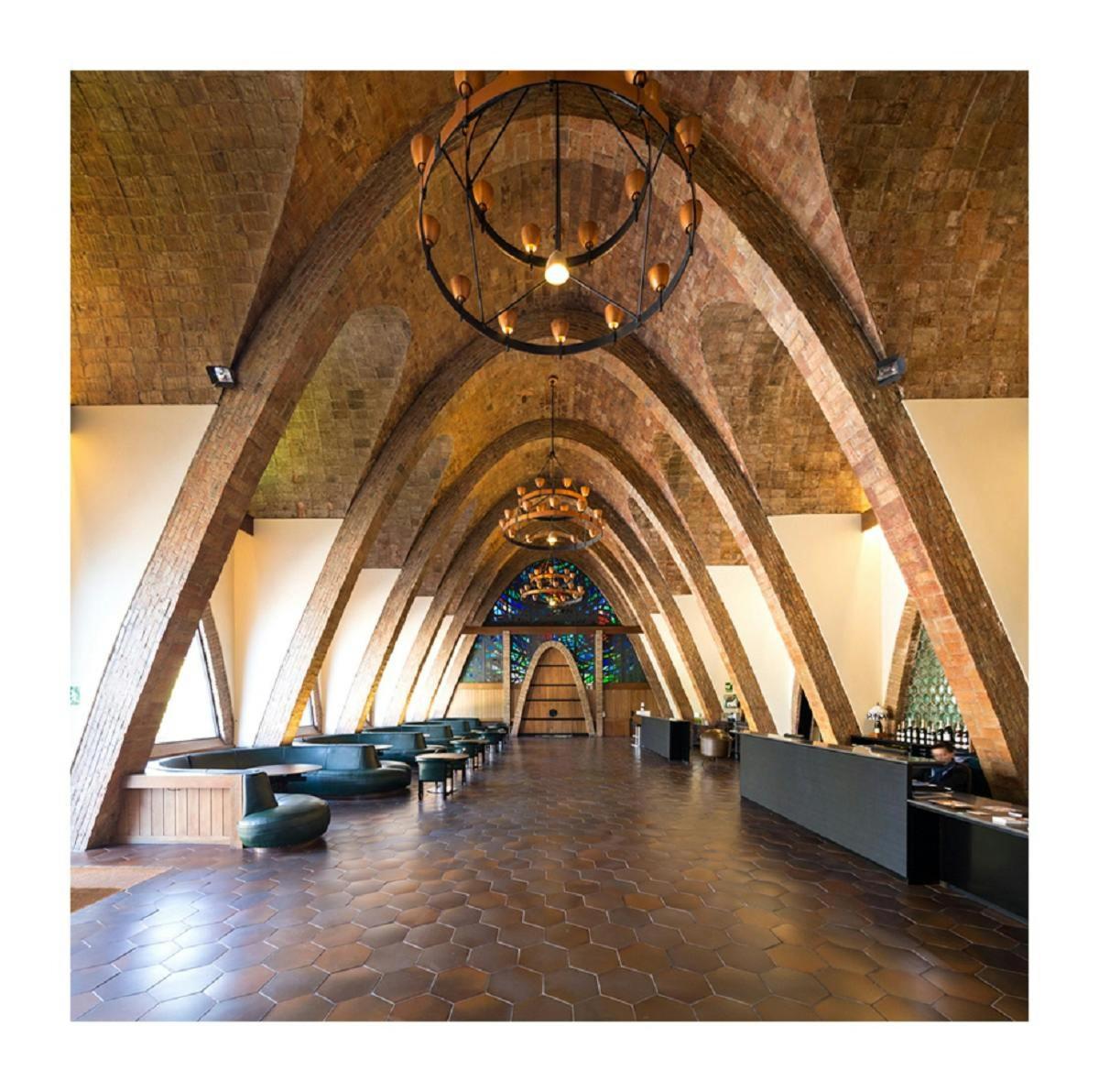
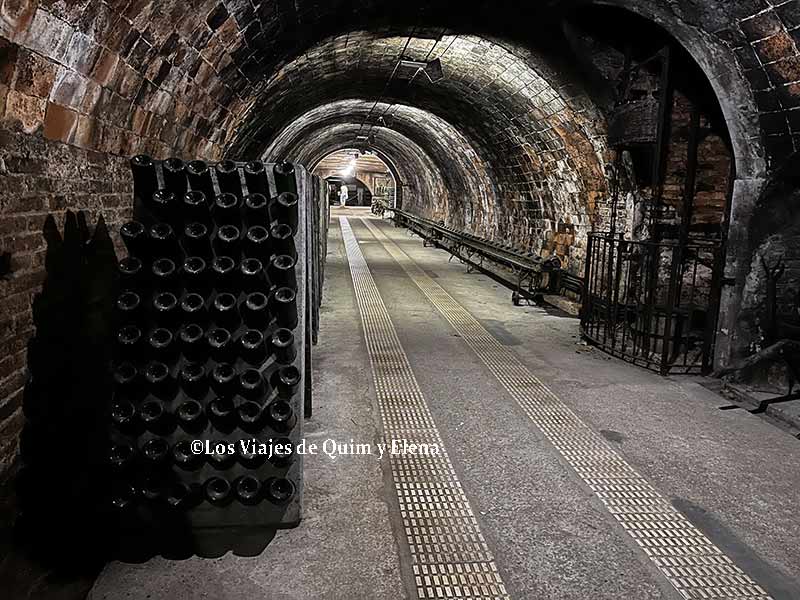
The tour culminates in the Expeditions Room, now the Visitor Reception Hall, where Gaudí's influence is evident in the catenary arches, the undulating ceramic tableware and the large plumed stained glass window that filters the light into the courtyard. The whole complex is completed with the manor house of the Raventós family, with a square floor plan and pyramidal roof, as well as gardens, water towers and a network of underground galleries that total more than thirty kilometers.
Codorníu is also the oldest wine firm in Spain (1551). The works of Puig i Cadafalch, begun in 1903, symbolize the rise of an industry that was fiercely innovative and knew how to project the image of Sant Sadurní to the world. Today, guided tours combine heritage and tasting and allow you to descend 20 meters underground aboard an electric train. An interpretation centre, specialist shop and event spaces complete the offer of this authentic cava sanctuary.


 CAT
CAT ESP
ESP FRA
FRA POR
POR ITA
ITA ALE
ALE NLD
NLD ZH
ZH JA
JA
