We use our own and third-party cookies for analytical and technical purposes, processing data necessary to create profiles based on your browsing habits. You can find more information and configure your preferences in 'Cookie Settings'.
 Back
Back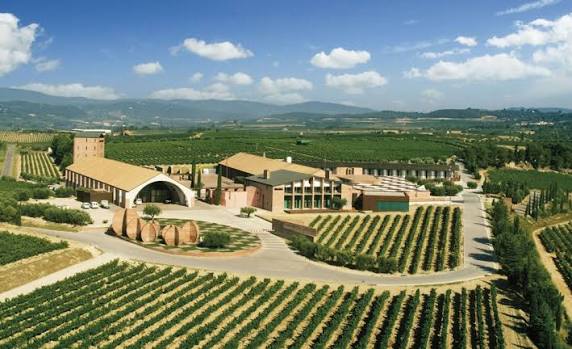
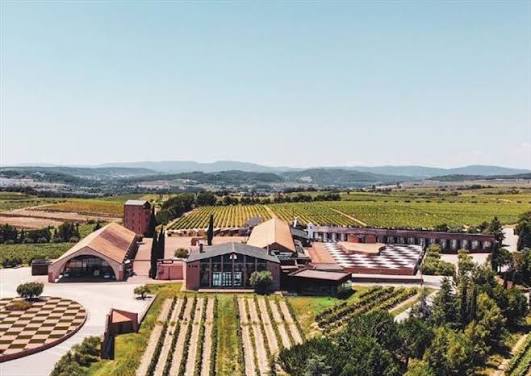
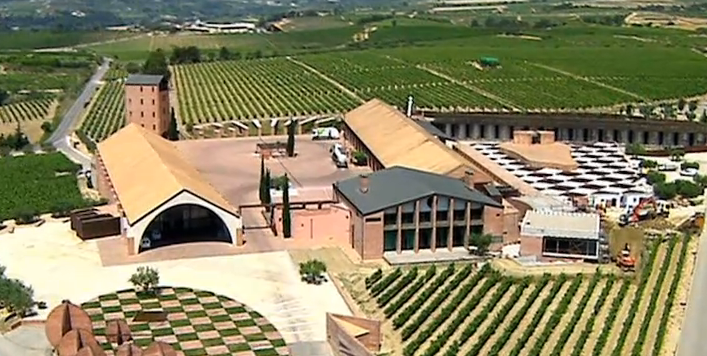
Juvé & Camps is much more than a cava brand, it is the chronicle of a lineage that has been working the vineyards of the capital of cava since the 18th century. In 1921 Joan Juvé Baqués and Teresa Camps sent the first bottles of bottle-fermented sparkling wine to the market. The growing demand forced, as early as 1960, to excavate new cellars and to promote a winery on the outskirts of the urban center. The final fruit of that expansion is the building we visit today, built in 1985 at the confluence of Sant Venat Street and the Martorell road, the work of the industrial engineer Joan Colomer Parés.
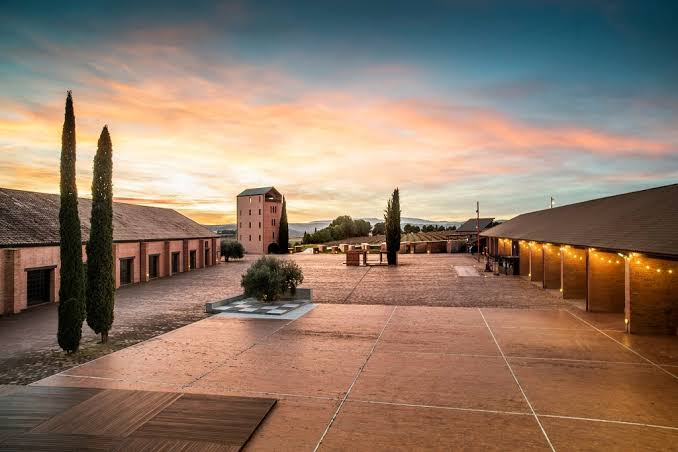
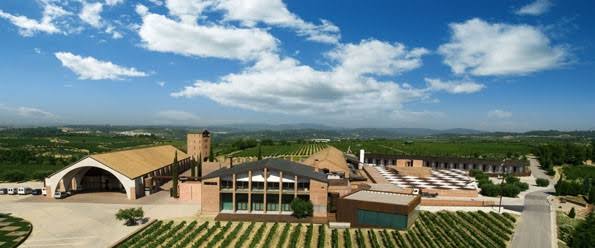
Architecturally, we are facing an eminently functional complex but not devoid of personality. All of it is solved with exposed brick, alternating smooth locks with adjoining pillars that draw a free grid. On the ground floor, generous windows illuminate the expedition area; on the second level, a discontinuous lattice articulates the natural ventilation of the bottling spaces. The chamfer facade stands out, covered with white marble slabs and crowned with the golden logo of the house, which acts as a claim and photographic point for visitors.
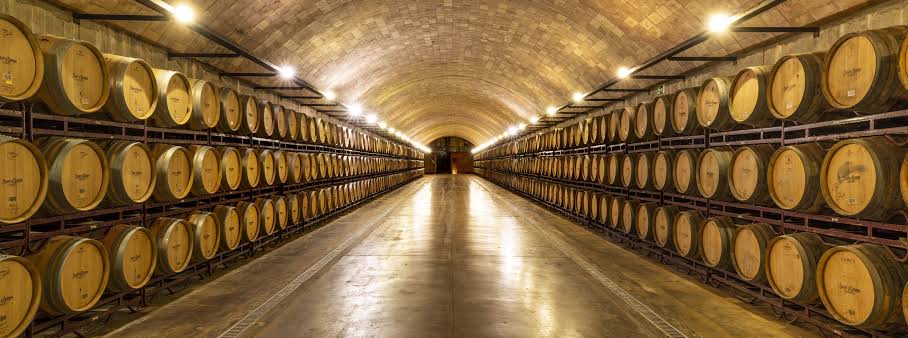
The main access is through two wide semicircular arches that evoke the classic entrances of the old Sadurninac wineries. Once inside, the visitor descends down a helical ramp to the three underground floors where more than a million bottles rest in silence. Lowered arch barrel vaults and hand-brick pavements ensure stable humidity and temperature throughout the year, key factors for the long aging that characterizes the firm's Gran Reserva range.
The museum tour displays documents, machinery and labels that explain the transition from artisanal production to the introduction of clean technologies and solar panels. The old screw press, located at the back of the oldest gallery, recalls the peasant origins of the family, while a modern tasting room with longitudinal skylights shows the wine tourism vocation of the project.
The municipal heritage protection (BPU, file 60 of the POUM) ensures the preservation of the building and regulates possible extensions. Nearby is the Celler d'Espiells, the mother estate of the Juvé & Camps vineyards, connected underground with the nucleus.
Currently the visit is completed with gastronomic experiences that combine its emblematic Reserva de la Familia with local products. Since 1982, when the house made the leap to the international market, Juvé & Camps has been synonymous with elegance and commitment to sustainable viticulture in the Penedès.


 CAT
CAT ESP
ESP FRA
FRA POR
POR ITA
ITA ALE
ALE NLD
NLD ZH
ZH JA
JA