We use our own and third-party cookies for analytical and technical purposes, processing data necessary to create profiles based on your browsing habits. You can find more information and configure your preferences in 'Cookie Settings'.
 Back
Back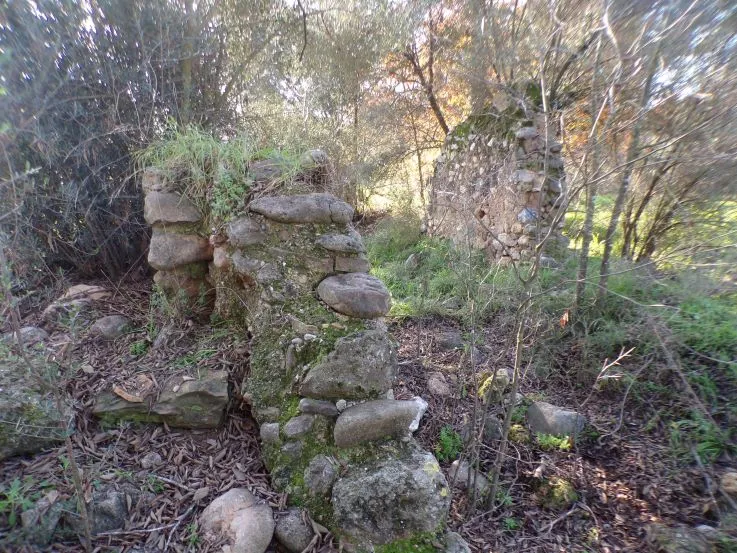
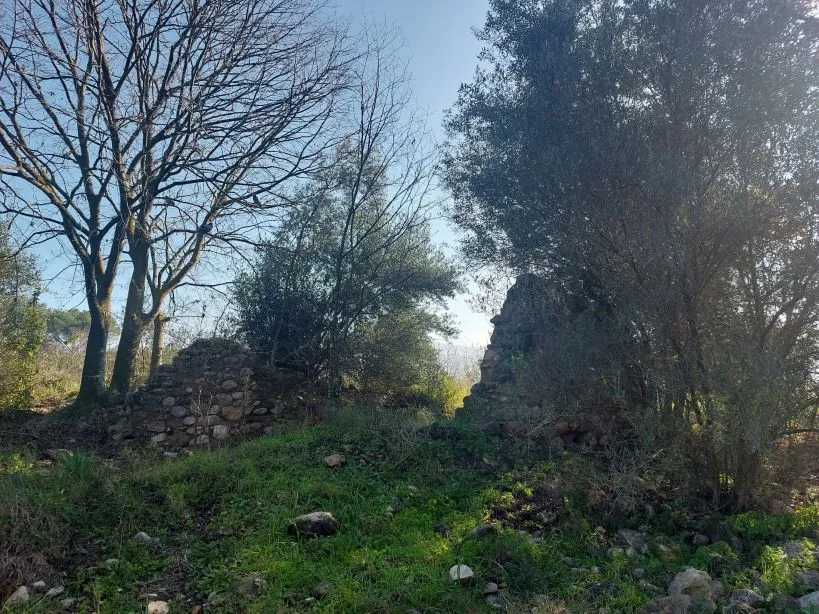
Under a discreet slope, between the Anoia River and the vineyards near the Codorníu cellars, the remains of Vilarnau preserve the memory of a possible medieval castle or fortress mentioned as early as 1196. Today, only a few faces remain, but the BCIN 1542-MH protects these stones that, for scholars, are a key point to understand the defensive network of the Penedès.
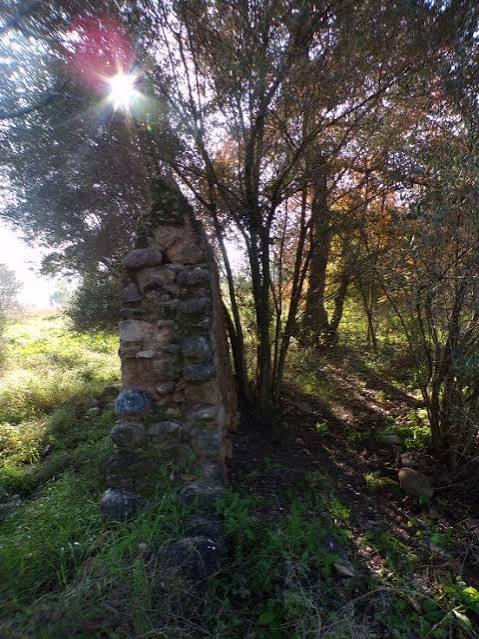
The visible enclosure describes a rectangle of 15 × 3.1 m, with walls about 60 cm thick scaffolding with irregular blocks bound with clay and, in some points, covered by a thin skin of lime mortar. Two parallel locks, which still reach two meters in height, allow us to imagine the original height, perhaps crowned with merlets or roofed on a slope. In 1968 fragments of opus spicatum, now extinct, were documented, evidence of an early medieval construction phase.
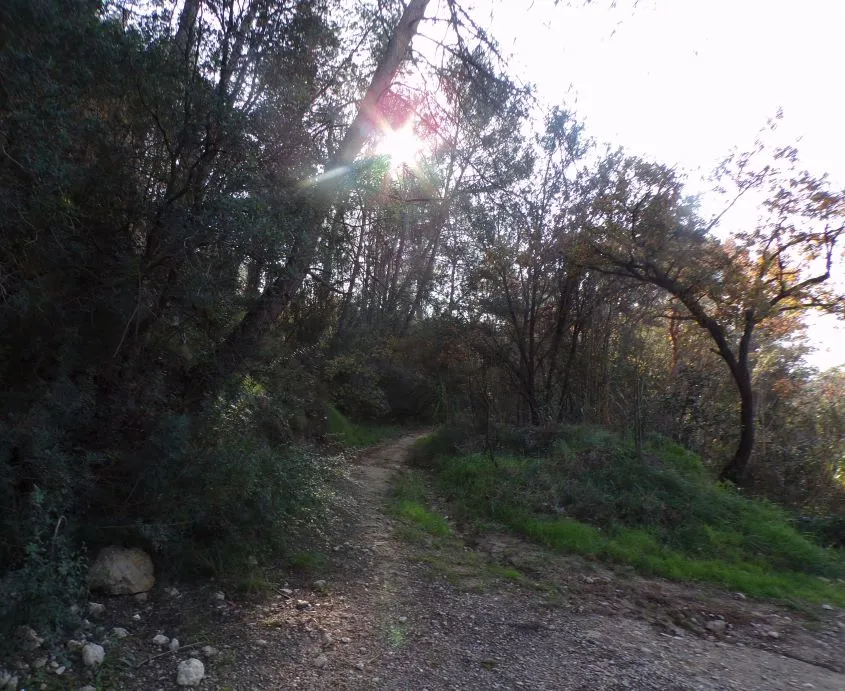
About 15 m to the northwest there are signs of an underground cup, with remains of yellowish tile, confirming that the wine activity, omnipresent in the town, was already associated with the fortress. Despite the degradation and lack of elevated structures, the site remains legible on the ground, surrounded by bardisza and visited with caution thanks to a small local trail. The POUM of 2010 lists it as an asset of cultural interest and prevents any alteration without archaeological control.
The sources document several lineages: the Guanecs in the fifteenth century, the Masdovelles in the seventeenth. There is news of the construction of a chapel dedicated to San Antonio in 1386, today still to be physically located. With the passage of time the military function waned and the building fell into disuse, until the progressive collapse that we know. For walkers, however, the place name Vilarnau continues to resonate on the maps and labels of some of the most prestigious cavas, recalling that, before the bubbles, an old wall guarded the meander.
Sensilla and forgotten, the Vilarnau ruin highlights the importance of integrating archaeological protection with heritage dissemination. The remains, accessible and without defined use, offer an ideal didactic space to understand the feudal history of the municipality and its agricultural transformation. To visit them is to enter a past of towers, chapels and vineyards that, literally, is the foundation of today's Sant Sadurní.


 CAT
CAT ESP
ESP FRA
FRA POR
POR ITA
ITA ALE
ALE NLD
NLD ZH
ZH JA
JA