We use our own and third-party cookies for analytical and technical purposes, processing data necessary to create profiles based on your browsing habits. You can find more information and configure your preferences in 'Cookie Settings'.
 Back
Back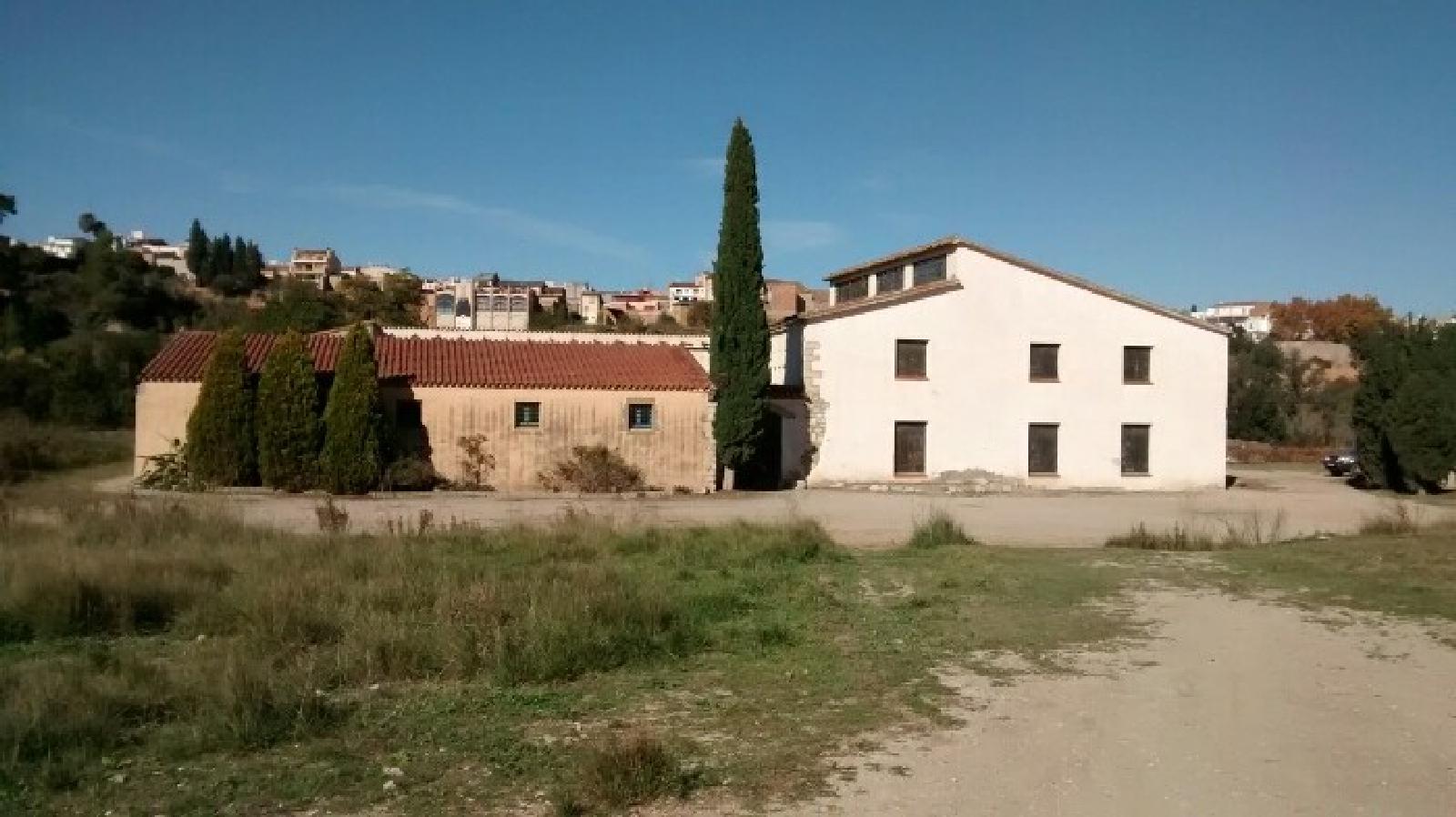
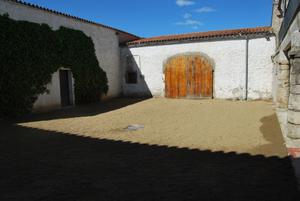
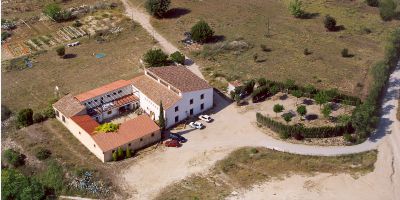
Between the sports magic of the municipal complex and the quiet course of the Lavernó stream, Can Mas de la Riera preserves the rounded silhouette of the old Penedès farmhouses. With a quadrangular plan and covered with two waters of uneven slope, it takes advantage of the slight unevenness of the land to open windows in the interior courtyard that articulates the whole complex, today transformed into cultural equipment.
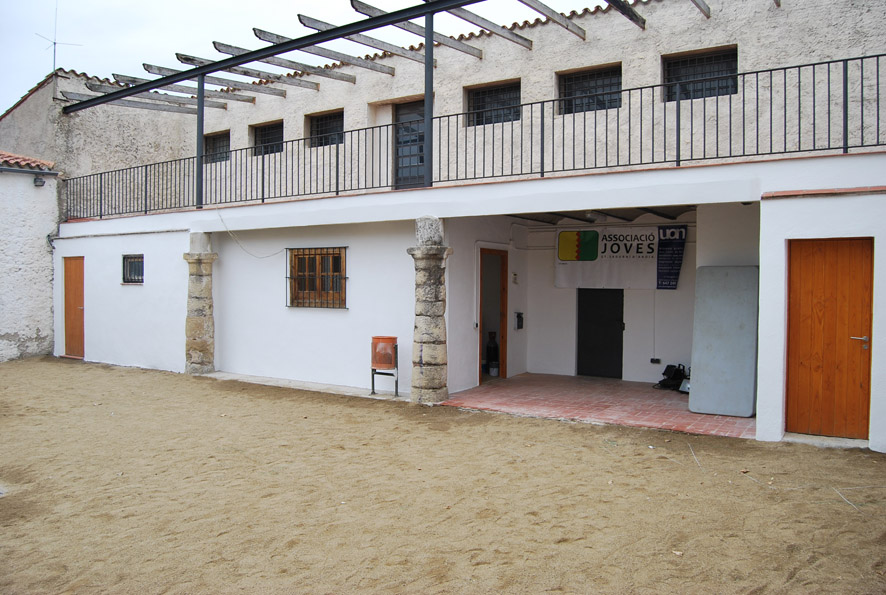
The strictly symmetrical midday façade displays the austere order typical of rural architecture, while the east façade combines the main door—a flat brick arch protected by a single-pitched roof—with irregularly arranged openings on the ground floor and harmoniously aligned on the upper floor. A corner chain-paired tile socket sticks its head out among the painted plaster and recalls the original factory fortress. Several masonry annexes are attached to the west side, with roofs of a slope that surround a large courtyard, old barn and work space, today used as a festive agora.
Inside, the west portal stands out, a semicircular arch paved with stone branches that gives way to the old agricultural outbuildings. Despite the reforms promoted by the various municipal schools-workshops, vaults, beams and the footprint of peasant labor have been preserved. The City Council acquired the estate in May 1981 and, starting in 1980, began an exemplary rehabilitation program that turned the building into a house of colonies and, since 2000, home to musical entities that fill the old cups with sounds.
The walls still tell us that, where rock bands and cobbles are rehearsed today, harvests were stored and bunkers were mixed. The recreational and cultural use has opened Can Mas de la Riera to the public, and it can be visited at times linked to the activities programmed there. This collective appropriation has become a model of heritage recovery: preserving the peasant essence without renouncing the creative effervescence of the capital municipality of cava.
Its IPAC 33118 inventory and mention in the 2010 POUM ensure vigilance over future interventions. Can Mas de la Riera, with its brick arches, sloping roofs and courtyard full of musical echo, is today a living metaphor of Sant Sadurní's ability to harmonize past and future, countryside and city, agricultural silence and modern compass.


 CAT
CAT ESP
ESP FRA
FRA POR
POR ITA
ITA ALE
ALE NLD
NLD ZH
ZH JA
JA