We use our own and third-party cookies for analytical and technical purposes, processing data necessary to create profiles based on your browsing habits. You can find more information and configure your preferences in 'Cookie Settings'.
 Back
Back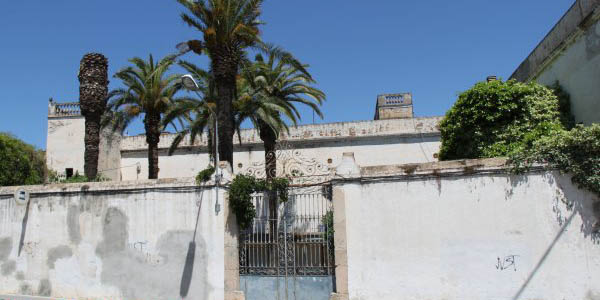
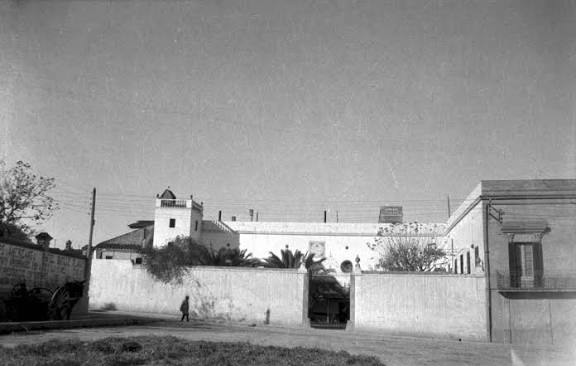
Can Guineu is an authentic urban palace that summarizes two centuries of economic and social power of the Mir family in Sant Sadurní. The original house, documented since 1703, was completely remodeled in 1851 by Pere Mir i Viladoms in the light of eclecticism, inspired - they say - by the Andalusian courtyards that the Mir had visited.
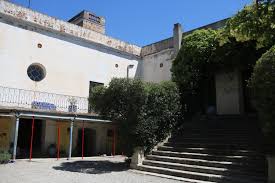
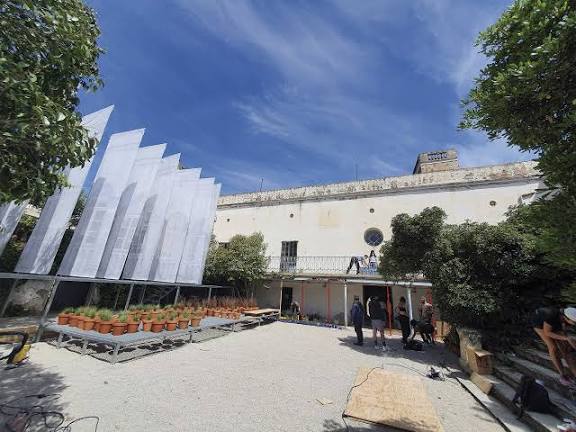
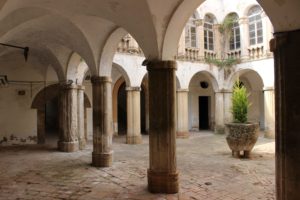
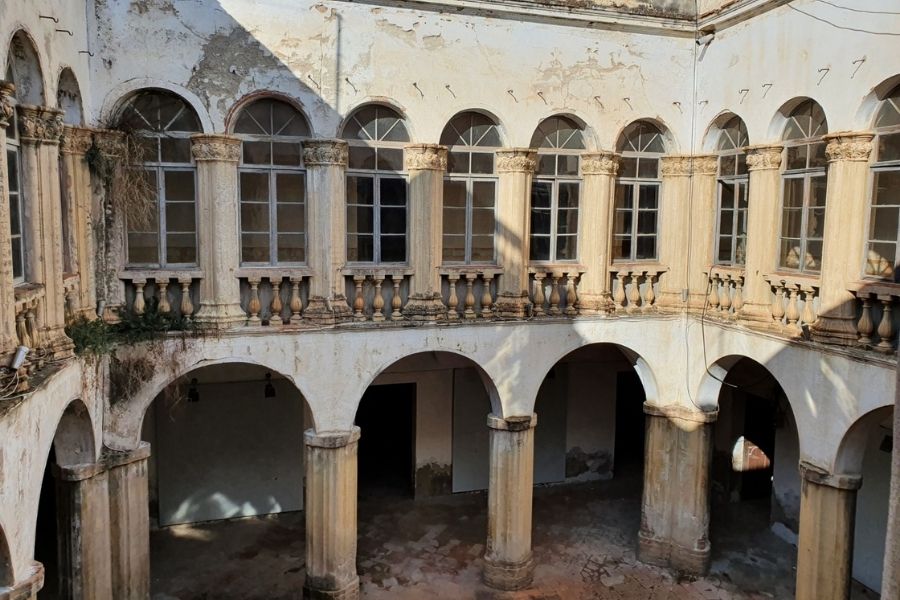
The building is articulated around a cloistered courtyard with a double gallery, while a tower, a basement and a scented garden complete the set. The main portal, on Carrer de l'Hospital, opened onto a ground floor of service; but the surprise arrives by accessing via Carrer Sant Antoni: a wrought iron door between stone mounds leads to an imperial staircase leading to the noble floor, while revealing the old cylindrical and conical guardrails that protected the horses.
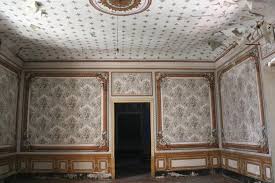
The facade in the garden combines a double lowered arch — one of them walled — and a balcony with a forged railing, framed by reliefs that evoke classic columns and notches. The exterior dialogues with a portico of cast-iron columns reminiscent of certain colonial solutions, in contrast to the almost monastic austerity of the street facade. The interior preserves rooms decorated with polychrome stucco moldings, floral wallpaper and wall paintings from different eras.
Can Guineu was the scene of numerous political gatherings; here “the seven wise men of Greece”, the local wine oligarchy, gathered. The Mir served as mayor several times (1853, 1881) and the house was the epicenter. At the beginning of the 20th century, the estate passed into the hands of large wine companies (Codorníu, Freixenet and Juvé & Camps) until, in 2018, the City Council acquired it for 1.7 million euros with the aim of allocating it to cultural facilities. In 2022 a popular consultation endorsed the idea of opening it to artistic and social uses, but the state of conservation — regular, with structural pathologies — has postponed public access.
Listed BCIL 1667-I, Can Guineu remains closed but continues to command respect with its mixture of austerity and opulence. Neighbors and entities hope that the rehabilitation will bring it back to life and turn its living rooms into an open culture scene, just as it was in the glory days of the Mir.


 CAT
CAT ESP
ESP FRA
FRA POR
POR ITA
ITA ALE
ALE NLD
NLD ZH
ZH JA
JA