We use our own and third-party cookies for analytical and technical purposes, processing data necessary to create profiles based on your browsing habits. You can find more information and configure your preferences in 'Cookie Settings'.
 Back
Back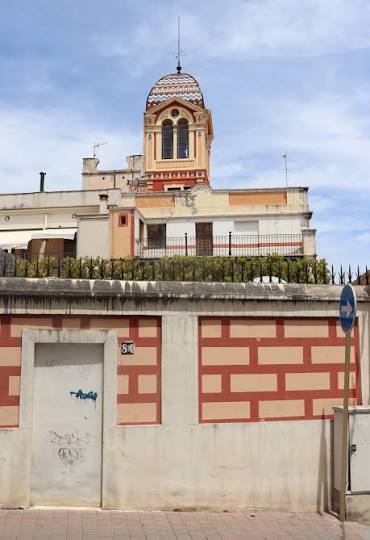
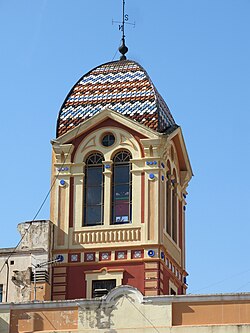
In the heart of the Raval, on a plot made of chamfer, Cal Mota imposes its eclectic figure, crowned by a turret with a glazed ceramic dome. Designed in 1893 by the Barcelona master builder Enric Figueras Ribas on commission from the brothers Josep and Salvador Rovira Santacana, members of a peasant family known by the nickname “Mota”, the building stands out among the middle floors with an almost palatine presence.
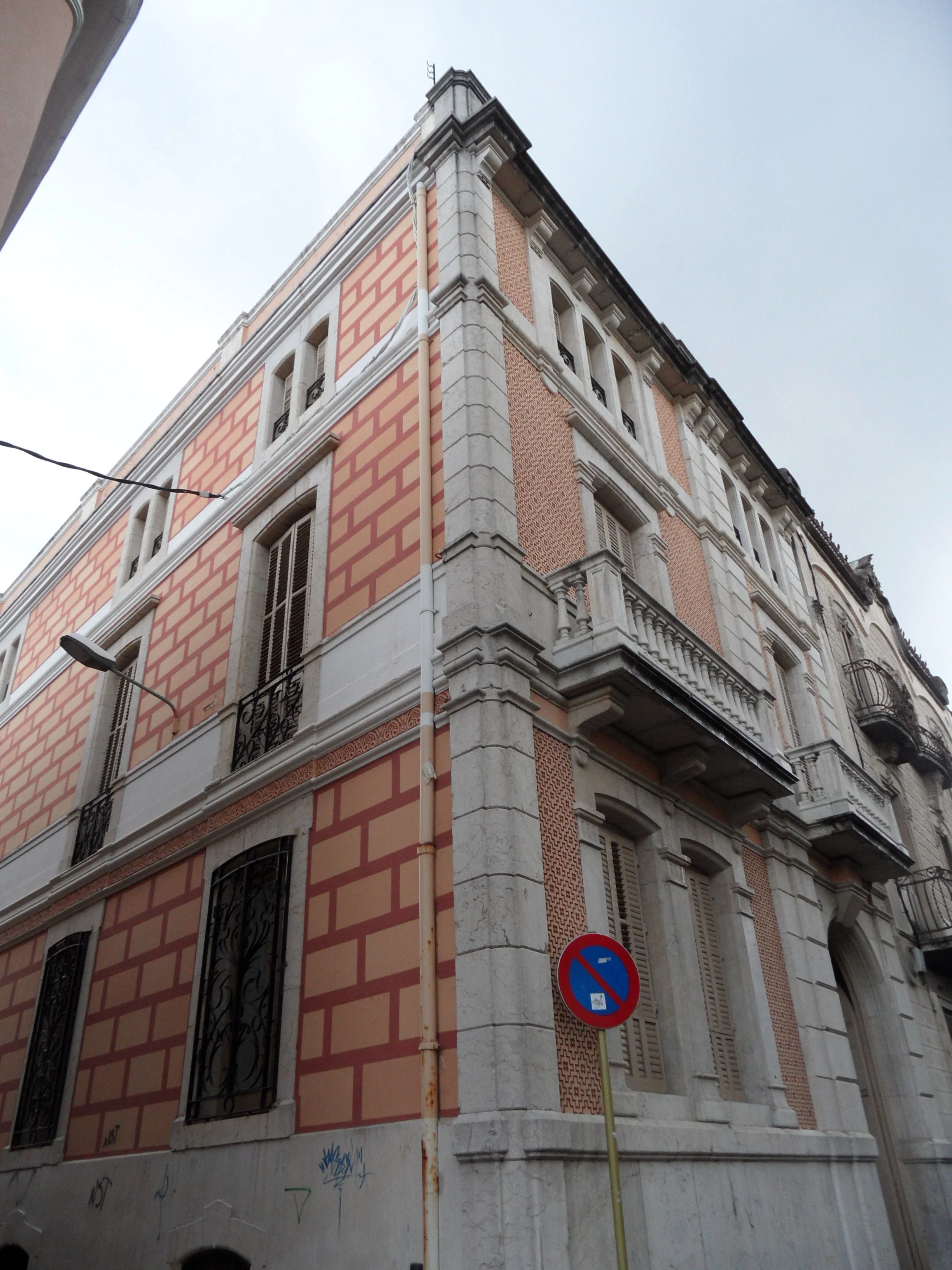
Organized in basement, ground floor, two floors and roof, the main facade is structured in two axes. The eastern one houses the semicircular arch portal that gives access to a hall covered with landscape mural painting; the western one has a double window with a lowered arch framed by feigned columns. Mounts and balustrades are covered with marble veneers, while the interstitial section shows off a Neomoresque stucco that contrasts with the side facade, decorated with false upholstery of Renaissance echoes. The first floor is opened by balconies with wrought iron railing; the second, by triple depressed arched windows covered by a cornice supported by brackets.
Above all, the square tower — with bull's-eyes and semicircular windows — culminates the building and functions as a privileged viewpoint over the historic centre and the cliffs of Montserrat. At the back, a gallery of cast-iron columns connects with the inner garden, a small oasis reminiscent of the bourgeois ostentation of the late 19th century, when cava increased the local prestige.
The house, protected as BCIL 1679-I and inventory IPAC 2853, never lost residential use. It maintains a good part of the original finishes: hydraulic floors, carpentry with polychrome stained glass and floral moldings. Some specific interventions - replacement of shingles, structural consolidation of the tower - have been carried out under technical supervision to respect the ornamental richness.
Beyond architectural interest, Cal Mota symbolizes the social projection of a lineage of peasant owners who, at the dawn of the 20th century, participated in the local intellectual circles — the so-called “Seven Wise Men of Greece” — and in the political boom of the Restoration. Walking along the Raval and looking up at its polychrome dome is reminiscent of the time when Sant Sadurní began to be called the capital of cava with the desire to open up to the world.


 CAT
CAT ESP
ESP FRA
FRA POR
POR ITA
ITA ALE
ALE NLD
NLD ZH
ZH JA
JA