We use our own and third-party cookies for analytical and technical purposes, processing data necessary to create profiles based on your browsing habits. You can find more information and configure your preferences in 'Cookie Settings'.
 Back
Back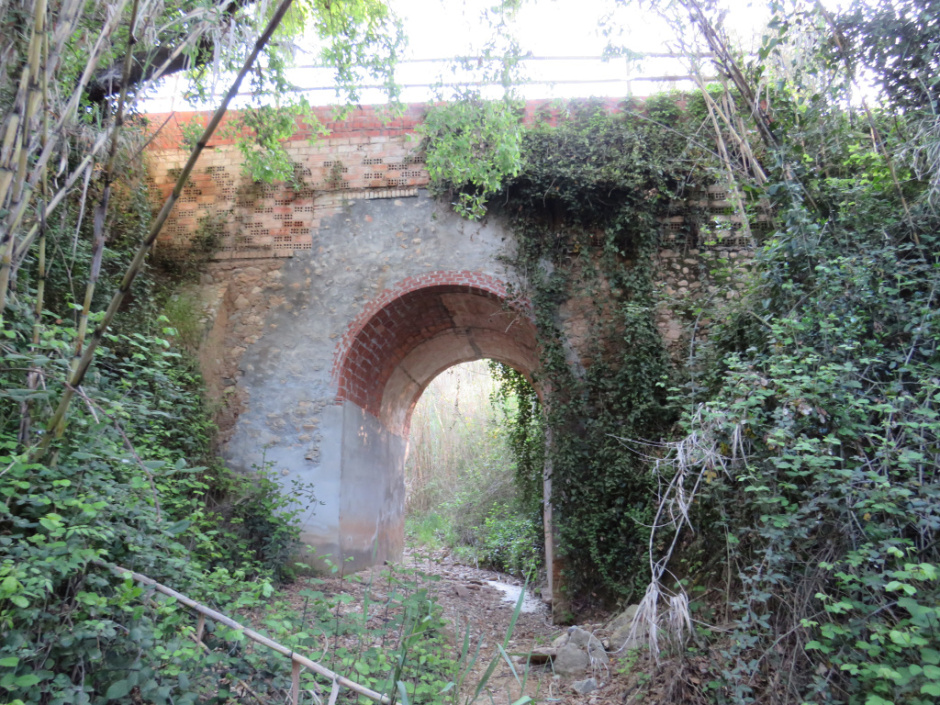
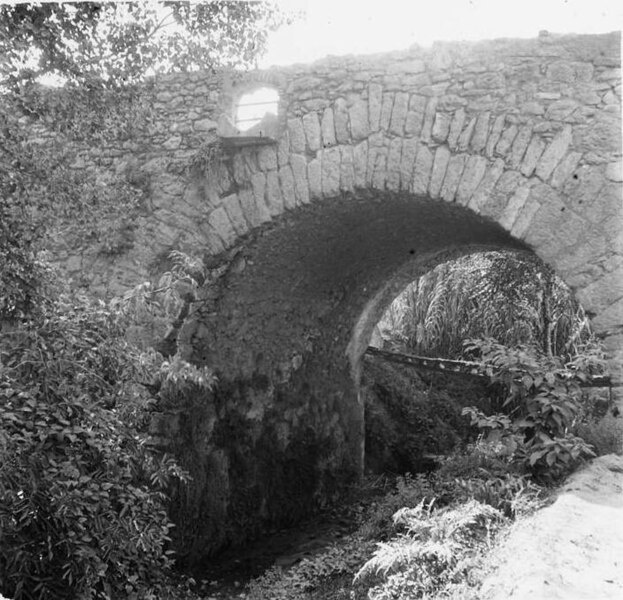
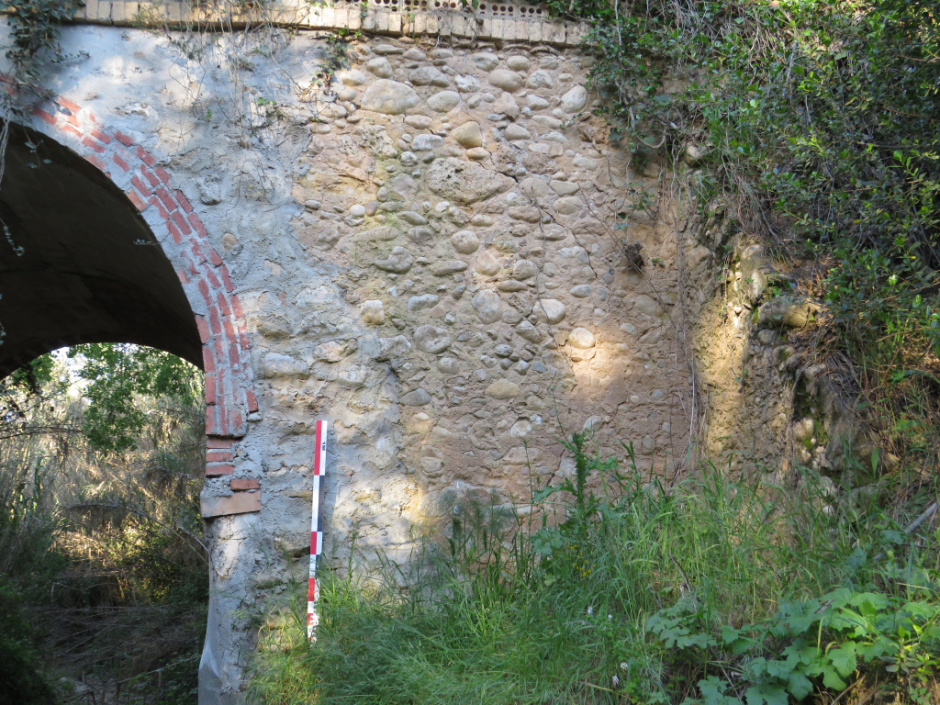
Between vineyards and dry stone margins, the small bridge that crosses the Cal Batlle Vell torrent continues in service as a passage for tractors and pedestrians to the farms. Despite its modest scale, it is an interesting testimony to Penedes' civil work of the 19th and 20th centuries. Two sturdy stirrups, made with folk masonry and lime mortar, support a single barrel vault covered glass framed with handcrafted tile. On the sides you can see buttresses attached at right angles that reinforce the board when the torrent goes down full.
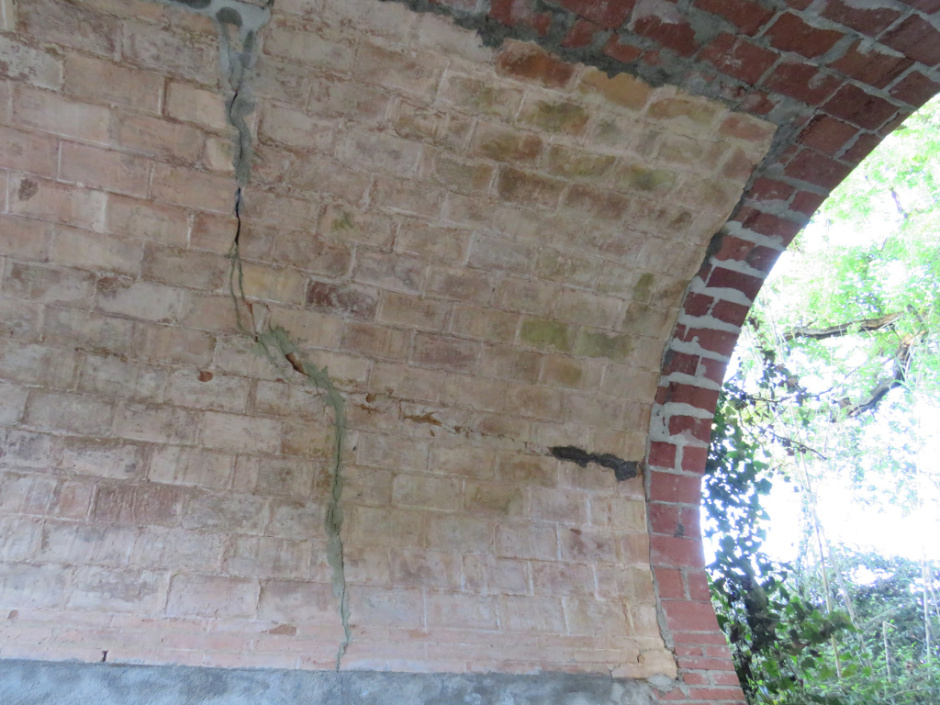
The most recent maintenance interventions — identifiable by the use of Portland cement and industrial brick — make it possible to distinguish the various moments of work, from the original factory to the recreations of the board made at the end of the 20th century to gain breadth. Despite some swirls and the vegetation that partially covers the walls, the structure maintains its functionality and conveys the image of a rustic bridge integrated into the agricultural landscape.
Its heritage importance lies in the simplicity of construction: stones from the environment placed “a pobl” and bricks baked in local kilns. Without commemorative plaques or sculptural elements, the bridge tells, by itself, the history of a territory that, before mechanization, needed small links to get the harvest to the cups and the neighbors to the nearby cemetery. Today, hikers and cyclists cross it almost without realizing it, but its half-point eye continues to reflect water on rainy days and recalls the wisdom of folk craftsmen.


 CAT
CAT ESP
ESP FRA
FRA POR
POR ITA
ITA ALE
ALE NLD
NLD ZH
ZH JA
JA