We use our own and third-party cookies for analytical and technical purposes, processing data necessary to create profiles based on your browsing habits. You can find more information and configure your preferences in 'Cookie Settings'.
 Back
Back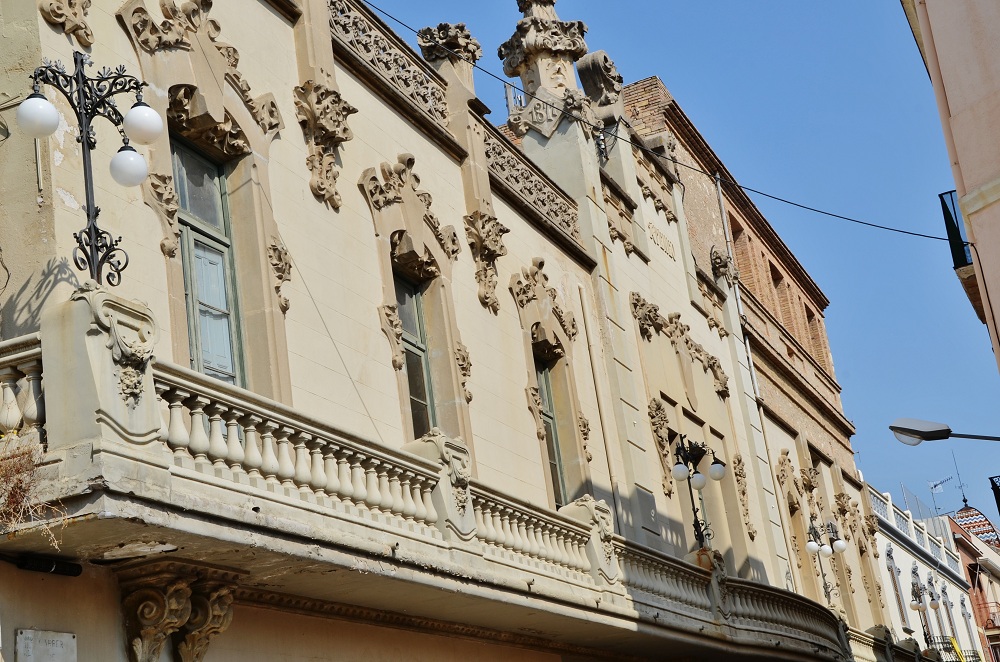
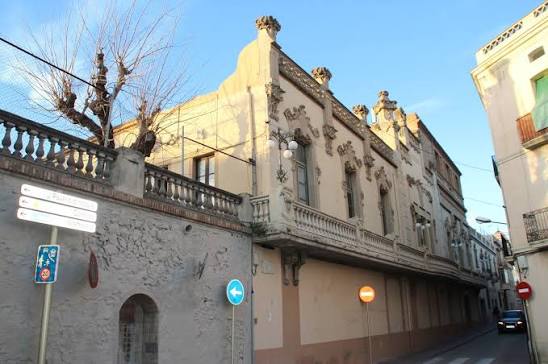
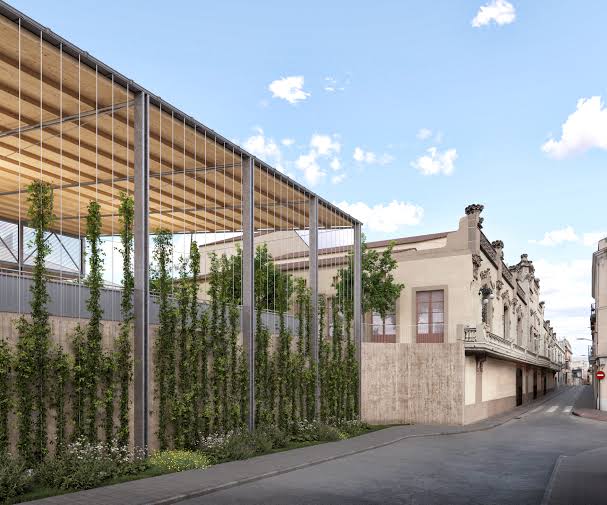
In 1908, in full associative fervor and after decades of nomadic life, the recreational society “Ateneu de la Fraternitat” promoted the construction of its own premises: the current Ateneu Agrícola, the work of the municipal architect Miquel Madurell i Rius. The result was a building between the middle floors but of enormous urban presence, iconic of Josep Rovira and Raval streets.
The facade, symmetrical and at a glance, is articulated around a balcony window running on the first floor that draws a powerful horizontal axis. The central body rises above the sides and is crowned with a stepped top flanked by naturalistic pinnacles; the highest point proudly displays the sennyera. Above the balcony, a tripartite window shows off a profusely flowery watershed, while the balustrades at the ends play with circular shapes between pinnacle and pinnacle. The tableware is plastered to imitate broken carvings, and all openings receive vegetable frames of a popular modernism that does not renounce monumentality.
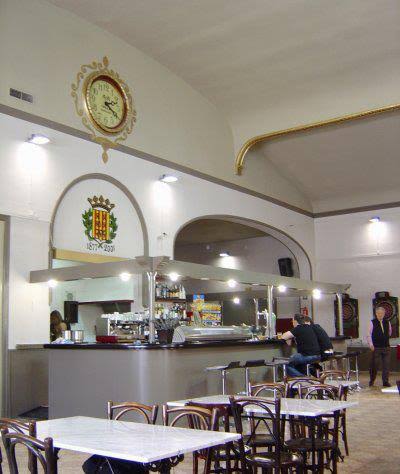
The interior has been multipurpose since the first day: show room, cinema, dance floor, skating rink, headquarters of the Coro la Pátria (1900) and cradle of the Club Deportiu Noia (1913). In 1934, a side floor was raised to accommodate more members, an alteration that partially distorted the original composition but testified to the vitality of the entity. After the Civil War, the building was confiscated and turned into the “Hogar del Productor”; the library disappeared and the whole suffered the greyness of the post-war period until, in 1982, the partners recovered the property.
Today the Athenaeum remains open as a leisure and cultural space: concerts, theatre, presentations and a vibrant social activity that serves as the backbone of the associative life of the Sadurnines. The maintenance is good and the protection as BCIL 1674-I ensures the preservation of its architectural and historical value. It is easily accessible and hosts open events, although the schedules vary according to the schedule.
Few facades of the municipality explain so well the conjunction of popular modernism and civic pride. On the watershed, the word “Ateneo” remains as a declaration of intentions: a secular temple dedicated to culture, fraternity and peasantry that forged the capital of cava.


 CAT
CAT ESP
ESP FRA
FRA POR
POR ITA
ITA ALE
ALE NLD
NLD ZH
ZH JA
JA