We use our own and third-party cookies for analytical and technical purposes, processing data necessary to create profiles based on your browsing habits. You can find more information and configure your preferences in 'Cookie Settings'.
 Back
Back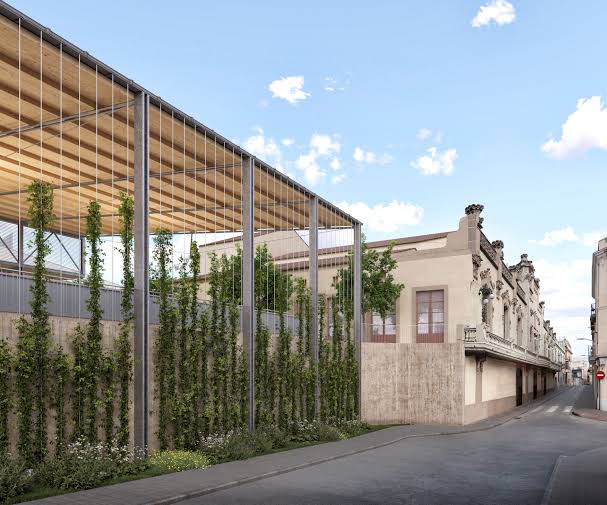
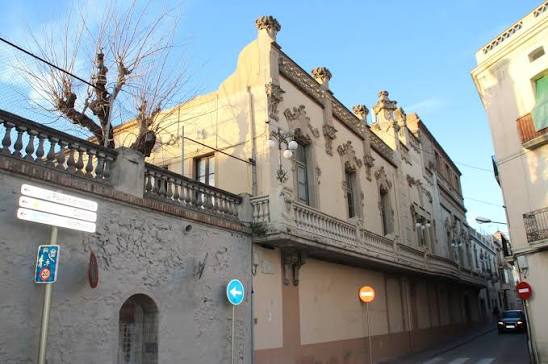
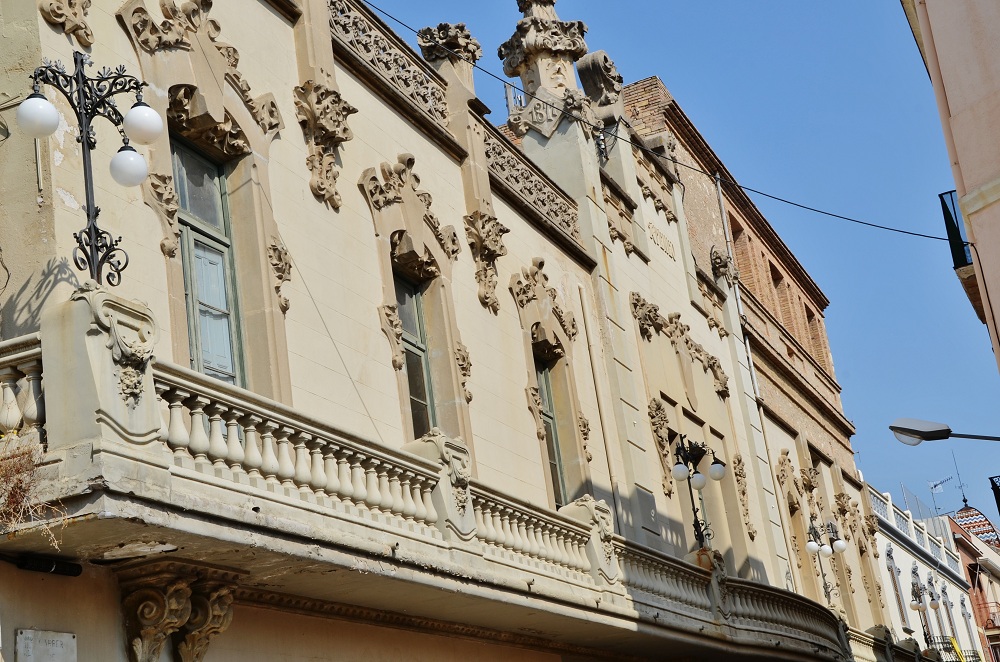
The Ateneu Agrícola is, for the Sadurnines, much more than a building: it is the great popular house where, for more than a century, the social, cultural and sporting life of the town has been held. The institution was founded in 1877 under the name Casino Alianza Fraternidad and, after several denominations, in 1908 decided to build its own on a plot of land on Carrer Josep Rovira. The architect Miquel Madurell i Rius — then responsible for municipal planning and one of the key figures of Penedès modernism — designed a two-storey building that, without excessive ornamentation, condensed the modernist aesthetic: a symmetrical composition, a rung balcony with classical balustrade, abundant floral motifs and, above all, a central body that was restored. crowned by a large stepped capcer with pinnacles and the word “ATENEO” engraved on the pediment, under the signboard that crowns the main pinnacle. The openings, framed with vegetable moldings, and the work of false tiles on the ground floor endow the whole with a sober Mediterranean elegance.
Over time the building has undergone extensions and alterations: in 1934 a side floor was erected that partially distorted the original symmetry; in 1939, after the Civil War, the building was confiscated and served as the Hogar del Productor until 1970. The library — with holdings since 1878 — and much of the furniture were lost during the Polishing. It was not until 1982 that the partners regained the management of this true civic heart.
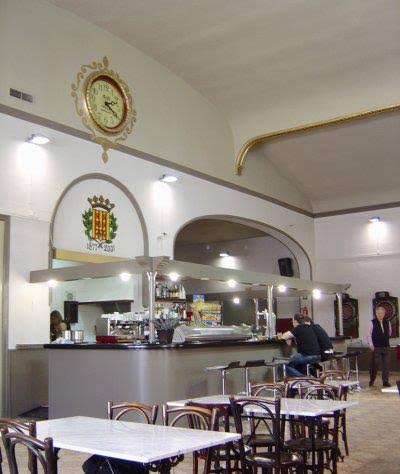
The interior housed, already in the beginning, a show room where silent films were projected, ballroom dances were held or conferences were given. There was also a skating rink and, from 1919, the sports field that saw the birth of the Club Deportiu Noia. Over the years, dressing rooms, a social bar, multipurpose rooms and a stage equipped with basic stage technology have been added, which allows to host a stable season of amateur theater, music cycles and rehearsals of the Coro La Pátria.
From an artistic point of view, the façade stands out: the tiled cladding, the wrought iron balcony, the naturalistic pinnacles and the lavishly sculpted watershed of the central tripartite window. Inside, despite successive reforms, the wooden beams and remarkable hydraulic pavements in the lobbies are still preserved.
The Athenaeum is currently open to everyone: it hosts courses, literary presentations, round tables and the traditional choral matinees of Sant Sadurní. The cultural programming and the transfer of spaces make it a key part of the local associative fabric.
The last structural renovation, dated 2005, focused on the consolidation of roofs and facades, the improvement of electrical installations and the adaptation of accesses, while guaranteeing the original spirit of the Madurell construction.
Despite the political and economic vicissitudes, the Ateneu Agrícola has maintained its backbone vocation: it is the common house where several generations have shared cinema, music, sport and, above all, the passion of making people.


 CAT
CAT ESP
ESP FRA
FRA POR
POR ITA
ITA ALE
ALE NLD
NLD ZH
ZH JA
JA